Wardrobe Color Palette: Best Colors for Your Skin Tone in 2026
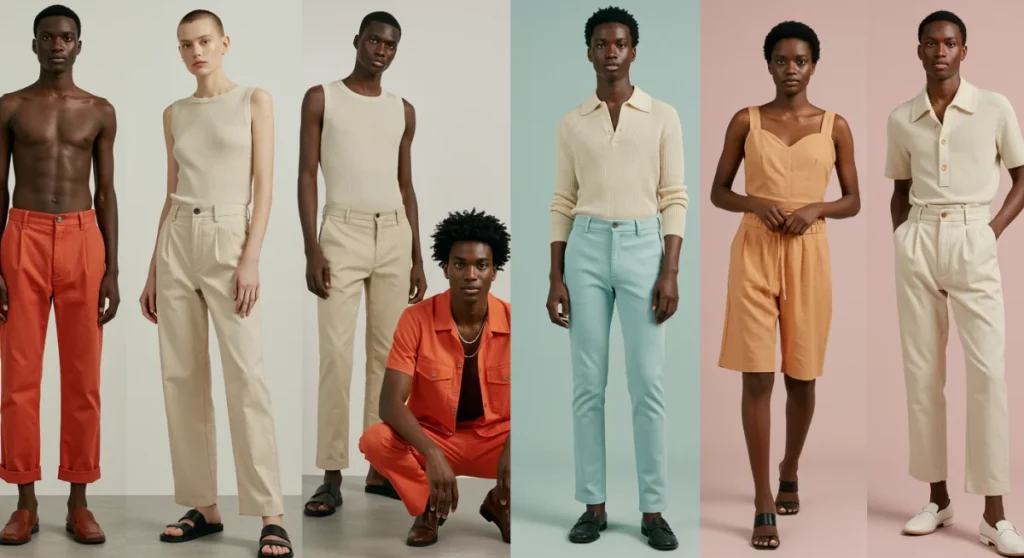
Understanding your ideal wardrobe color palette is crucial for enhancing your natural beauty. This guide explores how to choose the best colors for your skin tone in 2026, ensuring your fashion choices consistently elevate your personal style and confidence.
Elevating your personal style begins with understanding what truly flatters you. For 2026, embracing a thoughtfully curated wardrobe color palette tailored to your unique skin tone is paramount. This isn’t just about following trends; it’s about discovering the hues that illuminate your complexion, brighten your eyes, and make you feel your absolute best. Gone are the days of guessing; with a clear understanding of your skin’s undertones, you can build a wardrobe that works harmoniously, ensuring every piece you own contributes to a cohesive and confident personal brand.
Understanding Your Skin’s Undertone
Before diving into specific colors, the foundational step is to accurately identify your skin’s undertone. This isn’t the surface color of your skin, which can change with sun exposure, but rather the subtle hue beneath the surface that remains constant. Knowing your undertone is the secret to unlocking a truly flattering color palette.
There are generally three main categories of undertones: cool, warm, and neutral. Each category responds differently to various colors, making some shades appear vibrant on you while others might wash you out or make you look sallow.
The Vein Test: A Simple Indicator
One of the most straightforward methods to determine your undertone is the vein test. Look at the veins on the inside of your wrist under natural light.
- Blue or Purple Veins: If your veins appear predominantly blue or purple, you likely have cool undertones.
- Green Veins: If your veins look more green, you typically have warm undertones.
- Mixed or Indecisive: If you find it hard to tell whether they are more blue or green, or if they appear a mix, you probably have neutral undertones.
This simple test provides a quick guide, but remember, it’s just one piece of the puzzle. Combining it with other observations can give you a more accurate assessment of your unique skin tone and its underlying characteristics.
Identifying your skin’s undertone is the crucial first step in building a truly effective wardrobe. This fundamental understanding will guide all subsequent color choices, ensuring that every garment you select enhances your natural glow and complements your complexion rather than detracting from it.
Cool Undertones: Your Best Color Allies
If you’ve determined you have cool undertones, congratulations! A fantastic range of colors will make your skin sing. People with cool undertones often have pink, red, or bluish hues beneath their skin. They typically burn easily in the sun and might have naturally rosy cheeks.
For individuals with cool undertones, colors that have a blue base are generally the most flattering. These shades complement the natural coolness in your skin, making you appear more vibrant and refreshed. Think of the colors you see in winter landscapes or deep ocean waters.
Flattering Color Families for Cool Tones
- Blues: From navy to royal blue, sky blue to icy pastels, blues are your best friends. They enhance the natural blue in your skin, making your eyes sparkle.
- Greens: Emerald green, jade, forest green, and even mint green work wonderfully. These cool greens create a beautiful contrast and bring out the natural glow of your skin.
- Purples: Lavender, plum, and deep violet are excellent choices. These rich, cool purples add a touch of sophistication and depth to your look.
- Pinks: True pinks, fuchsia, and rose pink are incredibly flattering. Avoid overly warm, peachy pinks.
- Neutrals: Pure white, true black, charcoal gray, and cool taupes are ideal. These provide a crisp backdrop for your other cool-toned garments.
When selecting your wardrobe, aim for colors that mirror the coolness of your skin. These shades will prevent you from looking washed out and instead provide a healthy, radiant appearance. Experiment with different intensities within these color families to find what truly resonates with your personal style for 2026.
Embracing these cool-toned hues will transform your wardrobe into a collection of garments that consistently enhance your natural beauty. By sticking to this palette, you ensure that every outfit choice contributes to a harmonious and flattering overall aesthetic, making you look and feel more confident.
Warm Undertones: Radiate in Earthy Hues
For those with warm undertones, your skin often has golden, peachy, or yellow hues. You might tan easily and rarely burn, or if you do, it’s a golden tan. Your natural hair color might have golden or red highlights, and your eyes might have flecks of gold or amber.
The best colors for warm undertones are those with a yellow or golden base. These shades harmonize with your skin’s natural warmth, bringing out its richness and making you look radiant and healthy. Think of the colors of autumn leaves, sunsets, and natural earth elements.
Optimal Color Choices for Warm Tones
- Reds: Tomato red, coral, and rust are fantastic. These warm reds complement your skin’s natural glow beautifully.
- Oranges: Terracotta, peach, and burnt orange are incredibly flattering. They enhance your golden undertones.
- Yellows: Mustard yellow, goldenrod, and creamy yellows are perfect. Avoid harsh, bright yellows that might be too cool.
- Greens: Olive green, moss green, and army green are excellent choices. These earthy greens create a beautiful synergy with your skin.
- Browns: All shades of brown, from rich chocolate to camel and beige, are your go-to neutrals.
- Neutrals: Cream, ivory, and off-white are much more flattering than stark white. Gold is also a fantastic metallic for you.
When curating your 2026 wardrobe, gravitate towards colors that echo the warmth of your skin. These hues will prevent your complexion from appearing dull or sallow, instead imparting a vibrant and healthy glow. Don’t be afraid to experiment with the depth and saturation of these warm colors to find your perfect blend.
By selecting garments within this warm spectrum, you cultivate a wardrobe that consistently enhances your natural warmth and vibrancy. This strategic approach to color ensures that every piece you wear contributes to a cohesive, flattering, and authentically you aesthetic, boosting your confidence with every outfit.
Neutral Undertones: The Versatile Palette
If you have neutral undertones, you’re in luck! Your skin has a balance of pink and yellow, or no obvious dominant hue. This means you can often pull off both cool and warm colors with ease, enjoying a much wider range of options for your wardrobe color palette. People with neutral undertones often find their veins appear a mix of blue and green, or they struggle to determine a dominant color.
While you have versatility, some colors will still be more flattering than others. The key for neutral undertones is to lean towards colors that aren’t overly saturated or extreme on either the warm or cool spectrum. Muted, mid-range shades often work best, providing a harmonious balance.
Navigating Your Broad Color Spectrum
For neutral undertones, the ideal colors are often those that fall in the middle of the warm and cool spectrums. Think of shades that are not too bright, not too dark, and have a good balance of both warm and cool elements.
- Greens: Sage green, moss green, and true greens (without too much blue or yellow) are excellent.
- Blues: Medium blues, teal, and dusty blues are very flattering.
- Pinks and Peaches: Soft rose, dusty pink, and muted peach tones work beautifully.
- Purples: Medium purples like mauve or heather purple are great choices.
- Neutrals: Greige (a mix of gray and beige), off-white, soft white, and medium grays are perfect. True browns and soft blacks also work.
The beauty of neutral undertones lies in your ability to mix and match. You can often wear a cool-toned top with warm-toned bottoms, or vice versa, and still look balanced. Focus on creating a cohesive look by selecting colors that complement each other rather than strictly adhering to one temperature.
Embracing your neutral undertone allows for incredible flexibility in your wardrobe choices. By opting for balanced, mid-range hues and thoughtfully combining elements from both warm and cool palettes, you can create a diverse and always flattering collection that truly expresses your personal style.
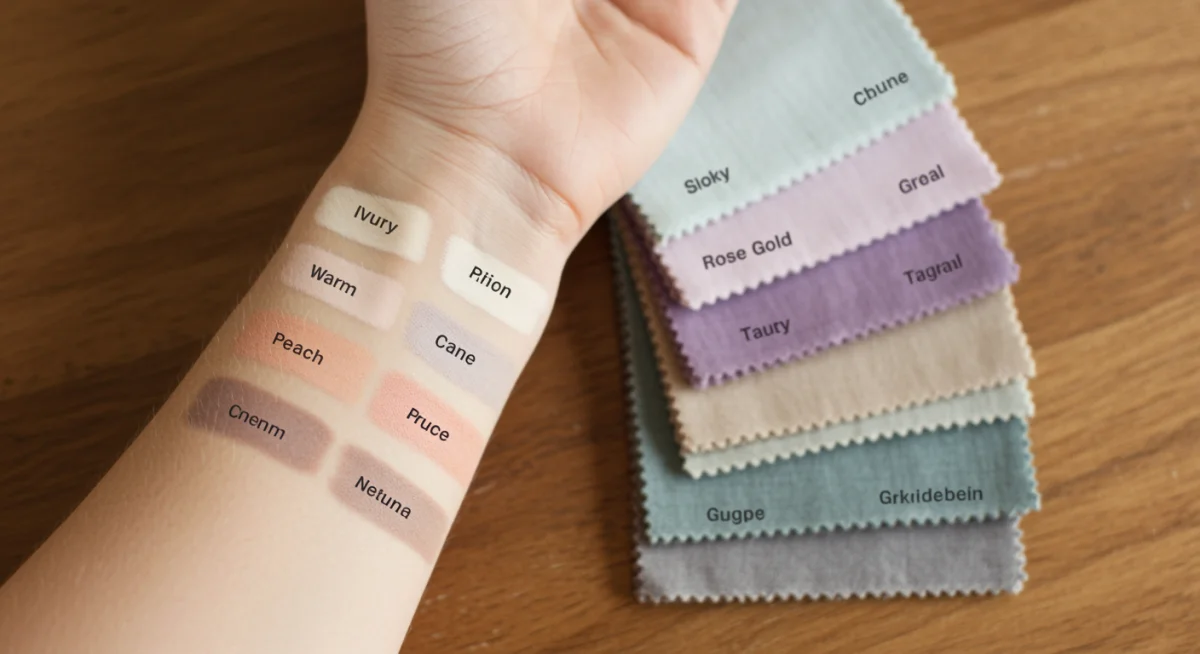
Beyond Undertones: Considering Your Overall Features
While skin undertone is the cornerstone of building your ideal wardrobe color palette, it’s not the only factor. Your hair color, eye color, and even your personal style preferences play significant roles in refining your choices. A holistic approach ensures that your chosen colors don’t just flatter your skin but also enhance your entire appearance.
For example, someone with cool undertones and dark hair might pull off brighter, more saturated cool colors than someone with cool undertones and very light hair. Similarly, eye color can be dramatically enhanced by complementary shades.
Integrating Hair and Eye Color
- Hair Color:
- Dark Hair: Can often handle richer, deeper, and more intense colors.
- Light Hair: Tends to look best in softer, muted, or pastel shades.
- Red Hair: Often thrives in natural, earthy tones, and certain greens and blues.
- Eye Color:
- Blue Eyes: Enhanced by blues, teals, and sometimes warm browns or corals (for contrast).
- Green Eyes: Pop with greens, purples, and warm browns.
- Brown/Hazel Eyes: Look stunning with earth tones, gold, olive green, and deep blues.
Remember that these are guidelines, not strict rules. The goal is to create harmony. If a color falls outside your primary undertone palette but beautifully complements your eyes or hair, it might still be a fantastic choice for you. Personal preference and how a color makes you feel are just as important as technical guidelines. Don’t be afraid to experiment to find what truly makes you shine.
By thoughtfully considering your hair and eye color in conjunction with your skin’s undertone, you can create a truly personalized and effective wardrobe. This comprehensive strategy ensures that every color you choose works in concert to highlight your best features and reflect your individual style.
Building Your 2026 Wardrobe Color Palette
With a solid understanding of your undertones and how your overall features play a part, it’s time to start curating your 2026 wardrobe. The aim is to build a cohesive collection of colors that you can easily mix and match, ensuring that every outfit is flattering and stylish. This approach simplifies dressing and maximizes your wardrobe’s potential.
Start by identifying your core neutrals and then build upon them with accent colors. This strategy provides a stable foundation and allows for versatility without straying from your ideal palette.
Practical Steps to Curate Your Palette
- Identify Your Core Neutrals: Based on your undertone, choose 2-3 neutral colors that work best for you (e.g., cool tones: black, charcoal, white; warm tones: brown, camel, ivory; neutral tones: greige, true gray, soft white). These will form the backbone of your wardrobe.
- Select Your Accent Colors: Pick 3-5 accent colors from your flattering palette that you love and that complement your neutrals. These are the colors that will add personality and vibrancy to your outfits.
- Consider Color Combinations: Think about how your chosen colors will interact. Will they create a harmonious monochromatic look, a striking complementary contrast, or a sophisticated analogous pairing?
- Invest in Key Pieces: Prioritize purchasing foundational items like coats, blazers, and essential tops in your core neutrals, and then add statement pieces in your accent colors.
- Declutter Your Current Wardrobe: Remove items that don’t fit your new color palette. This isn’t about discarding everything, but about making conscious choices to enhance your style.
Remember that building a perfect wardrobe color palette is an ongoing process. As trends evolve and your personal style refines, you might make subtle adjustments. The key is to remain mindful of your skin tone and how colors interact with it, always striving for outfits that make you feel confident and authentic.
By systematically building your 2026 wardrobe around your identified color palette, you create a collection that is both functional and aesthetically pleasing. This intentional approach ensures every piece is purposeful, contributing to a cohesive style that truly reflects and enhances your best self.

Common Pitfalls and How to Avoid Them
Even with a clear understanding of your skin tone and ideal color palette, it’s easy to fall into common traps that can hinder your style. Being aware of these pitfalls allows you to navigate your fashion choices more effectively, ensuring your wardrobe remains flattering and cohesive. The goal is to avoid choices that diminish your natural radiance.
One frequent mistake is blindly following fashion trends without considering individual suitability. While trends can be inspiring, not every color or style will work for everyone, especially if it clashes with your personal color story.
Mistakes to Sidestep in Your Color Journey
- Ignoring Your Undertone: The most significant pitfall is choosing colors you like, but that clash with your skin’s undertone. A trendy color might be popular, but if it washes you out, it won’t serve your best interest.
- Over-Reliance on Black: While black is a classic neutral, it can be too harsh for some skin tones, particularly those with very light or cool complexions. Consider softer alternatives like charcoal gray or deep navy.
- Buying Without Trying: Always try on clothes in natural light. Store lighting can be deceiving, making colors appear different than they would in everyday wear.
- Fear of Color: Conversely, some individuals stick exclusively to neutrals, missing out on the joy and enhancement that flattering colors can bring. Don’t be afraid to experiment within your recommended palette.
- Not Considering Fabric: The same color can look different on various fabrics. A shiny silk might reflect light differently than a matte cotton, potentially altering how the color appears against your skin.
To avoid these issues, always keep your personal color analysis in mind. Before making a purchase, ask yourself if the color truly enhances your complexion. Does it make your skin look vibrant, or does it make you appear tired or sallow? Trust your instincts and the practical knowledge you’ve gained about your personal wardrobe color palette.
By consciously avoiding these common mistakes, you can refine your approach to fashion and ensure that every addition to your wardrobe genuinely contributes to your best look. This proactive stance guarantees that your 2026 style journey remains consistently flattering and confident.
| Key Point | Brief Description |
|---|---|
| Identify Undertone | Determine if your skin has cool, warm, or neutral undertones using the vein test or other methods. |
| Cool Tone Colors | Favor blues, greens, purples, and true pinks to enhance your complexion. |
| Warm Tone Colors | Embrace reds, oranges, yellows, and earthy greens for a radiant look. |
| Neutral Tone Versatility | Choose balanced, mid-range colors and mix warm and cool elements effectively. |
Frequently Asked Questions About Wardrobe Color Palettes
While your skin’s undertone remains constant, personal style evolves. Re-evaluate your palette every few years, or when significant life changes occur. This ensures your wardrobe continues to align with your current aesthetic and lifestyle, keeping your look fresh and relevant to 2026 trends.
Absolutely! These are guidelines, not strict rules. If you love a color that falls outside your ideal palette, wear it strategically. You can incorporate it as an accessory, in a print, or in a fabric with texture that softens its impact. Confidence is key.
Your surface skin tone might change with sun exposure, but your undertone typically does not. If you tan significantly, you might find certain slightly warmer or deeper shades work better seasonally, but your core palette based on undertone remains your best guide.
First, identify the undertone of the trending color. If it aligns with your palette, great! If not, look for a muted version or incorporate it in small doses, like a scarf or a handbag, to stay current without compromising your core flattering colors.
For some, a professional color analysis can be incredibly valuable. An expert can provide a precise assessment of your undertone and offer personalized recommendations, leading to increased confidence in your fashion choices and a more efficient wardrobe curation.
Conclusion
Mastering your wardrobe color palette is a transformative journey that extends beyond mere aesthetics; it’s about understanding and celebrating your unique natural beauty. By accurately identifying your skin’s undertone and thoughtfully integrating your hair and eye color, you unlock a world of hues that not only flatter but also empower. The principles discussed for 2026 are timeless, guiding you to make conscious fashion choices that build a cohesive, confident, and authentically stylish wardrobe. Embrace the colors that make you shine, and let your personal style reflect the best version of you.
