Decoding Dress Codes 2026: Your Ultimate US Style Guide
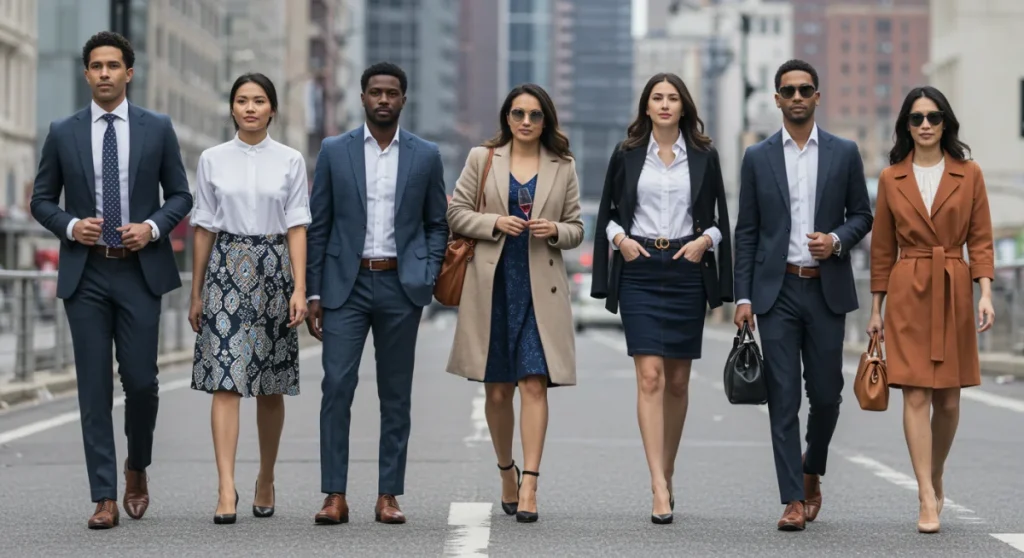
Effectively decoding US dress codes for 2026 ensures confident and appropriate attire for every social, professional, and celebratory occasion, reflecting current fashion nuances and expectations.
Navigating the intricate world of fashion can often feel like deciphering a secret language, especially when it comes to understanding what to wear for different events. This comprehensive guide on Decoding Dress Codes: A Comprehensive Style Guide for Every Occasion in the US, Updated for 2026 aims to demystify these expectations, providing clarity and confidence for your wardrobe choices across the United States.
Understanding the Evolution of Dress Codes in the US
Dress codes in the United States are not static; they evolve with societal norms, technological advancements, and cultural shifts. What was considered appropriate a decade ago might be outdated or even inappropriate today. The year 2026 brings with it a continued emphasis on personal expression within established frameworks, alongside a growing appreciation for sustainable fashion choices and versatility. Understanding these underlying currents is crucial for making informed decisions about your attire.
The lines between formal and casual have blurred considerably in recent years, leading to new categories like ‘smart casual’ and ‘business casual’ becoming more prevalent. This shift reflects a more relaxed approach to professionalism and social gatherings, though certain events still demand strict adherence to traditional dress codes. Staying updated on these nuances is key to presenting yourself appropriately and respectfully, regardless of the occasion.
The Impact of Remote Work and Hybrid Environments
- Relaxed Professionalism: The rise of remote and hybrid work models has significantly influenced professional dress codes. While full suits remain standard in some industries, many workplaces now embrace a more relaxed, yet still polished, aesthetic.
- Comfort Meets Style: Comfort has become a priority, leading to a demand for clothing that is both professional and easy to wear for long hours, whether at home or in the office. Think elevated separates rather than rigid full ensembles.
- Virtual Presence: For virtual meetings, attention often shifts to upper body attire, with an emphasis on neatness and appropriate color choices that project confidence on screen.
The cultural mosaic of the US also plays a role, with regional differences sometimes subtly influencing local dress expectations. For instance, fashion in New York City might lean towards edgy sophistication, while Los Angeles might favor a more laid-back, yet chic, aesthetic. Being aware of these regional variations can further refine your understanding of dress codes.
Ultimately, the evolution of dress codes in the US points towards a greater emphasis on thoughtful choices that balance tradition with contemporary comfort and individual style. Adapting to these changes is not about sacrificing personal taste, but rather about integrating it intelligently within established guidelines.
Decoding Business Professional and Business Casual
In the corporate world, distinguishing between business professional and business casual is paramount. Misinterpreting these can lead to an uncomfortable first impression or even hinder career progression. Both aim to convey competence and respect, but they do so with varying degrees of formality.
Business professional is the most formal corporate dress code, typically reserved for high-stakes meetings, traditional industries like law and finance, or formal presentations. It projects authority and seriousness, leaving little room for personal flair beyond accessories. Opting for classic, well-fitted pieces in neutral colors is always a safe bet.
Key Elements of Business Professional
- For Men: A tailored suit (navy, charcoal, or black), a collared dress shirt, a tie, polished leather dress shoes, and conservative socks.
- For Women: A tailored suit (skirt suit or pant suit), a professional dress with a blazer, closed-toe heels or flats, and minimal, elegant jewelry.
- Color Palette: Stick to classic neutrals like black, grey, navy, and white.

Business casual offers more flexibility while still maintaining a professional image. It’s the most common dress code in many modern workplaces, striking a balance between comfort and professionalism. This code allows for a broader range of colors, patterns, and fabric choices, enabling more personal expression without sacrificing a polished appearance.
Navigating Business Casual for 2026
- For Men: Dress trousers or chinos, collared shirts (button-downs, polos), sweaters, blazers, loafers or dress shoes. Ties are optional.
- For Women: Tailored trousers, skirts (knee-length or longer), blouses, sweaters, cardigans, blazers, professional dresses, flats, low heels, or stylish boots.
- Fabrics and Colors: Experiment with richer textures and a wider array of colors, while still leaning towards professional rather than overly bright or distracting hues.
The key difference lies in the level of formality and structure. Business professional demands a suit or equivalent, while business casual allows for separates and a slightly more relaxed silhouette. Always consider your company culture and the specific context of your day when choosing between these two critical dress codes.
Mastering Cocktail and Formal Attire
When an invitation specifies ‘cocktail’ or ‘formal,’ it signals an event that requires a heightened sense of elegance and sophistication. These dress codes are often seen at weddings, galas, award ceremonies, and upscale social events. Understanding the nuances between them is crucial to avoid feeling underdressed or overdressed.
Cocktail attire is a semi-formal dress code that strikes a balance between formal and party wear. It’s about being polished and chic, but with a celebratory edge. This code allows for more creativity and personality than strictly formal events, encouraging stylish outfits that are appropriate for evening functions before 8 PM.
Elements of Contemporary Cocktail Attire
- For Women: A dress that falls to the knee, midi, or even a sophisticated jumpsuit. Fabrics like silk, satin, lace, or high-quality crepe are ideal. Heels are typically expected, and accessories should be elegant.
- For Men:: A suit (darker colors like navy, charcoal, or black are standard, but lighter shades or patterns can be appropriate depending on the event), a dress shirt, and a tie. Polished dress shoes are essential.
- Modern Interpretations: For 2026, women can explore tailored separates with luxurious fabrics, while men might opt for a well-fitted sport coat with dress trousers for a slightly less formal but still polished look, if appropriate for the specific event.
Formal attire, often synonymous with ‘black tie optional’ or ‘black tie,’ indicates a highly elegant event. This is the pinnacle of evening dress codes, demanding refined and sophisticated ensembles. While ‘black tie’ has very specific requirements, ‘formal’ or ‘black tie optional’ allows for slightly more interpretation while maintaining a high level of elegance.
Defining Formal and Black Tie Attire
- Black Tie (Strict): For men, a tuxedo (black or midnight blue) with a white dress shirt, black bow tie, cummerbund, and black patent leather dress shoes. For women, a formal evening gown (floor-length) in luxurious fabrics.
- Formal / Black Tie Optional: For men, a dark suit (black, charcoal, or navy) with a white dress shirt, conservative tie, and polished dress shoes. A tuxedo is also appropriate but not mandatory. For women, a formal cocktail dress, a long evening gown, or a sophisticated dressy pantsuit.
- Accessories: For both genders, accessories should be understated and elegant, complementing the outfit without overpowering it.
The primary distinction lies in the level of formality and the specific garments required. Cocktail attire is dressy but allows for more freedom and shorter hemlines, while formal and black tie demand floor-length gowns or tuxedos, emphasizing classic elegance. Always prioritize well-fitting garments and quality fabrics for both.
Navigating Smart Casual and Casual Dress Codes
Smart casual and casual are perhaps the most frequently encountered, yet often misunderstood, dress codes in contemporary American life. They represent a spectrum of relaxed dressing, ranging from polished ease to ultimate comfort. The key to mastering these lies in understanding the subtle differences and the context of the occasion.
Smart casual is the art of looking put-together and stylish without being overly formal. It’s the go-to for many social gatherings, informal business settings, weekend brunches, or dinner with friends. This dress code allows for personal style to shine through, blending comfort with a touch of sophistication. It’s about elevating everyday pieces.
Essentials for a Smart Casual Wardrobe
- For Men: Dark-wash jeans or chinos, tailored trousers, button-down shirts (can be patterned), polo shirts, sweaters, blazers, stylish sneakers, loafers, or desert boots.
- For Women: Tailored jeans, stylish trousers, midi skirts, chic blouses, knit tops, sweaters, cardigans, fashionable flats, ankle boots, or refined sneakers.
- Layering: Smart casual often benefits from thoughtful layering, adding depth and versatility to an outfit.
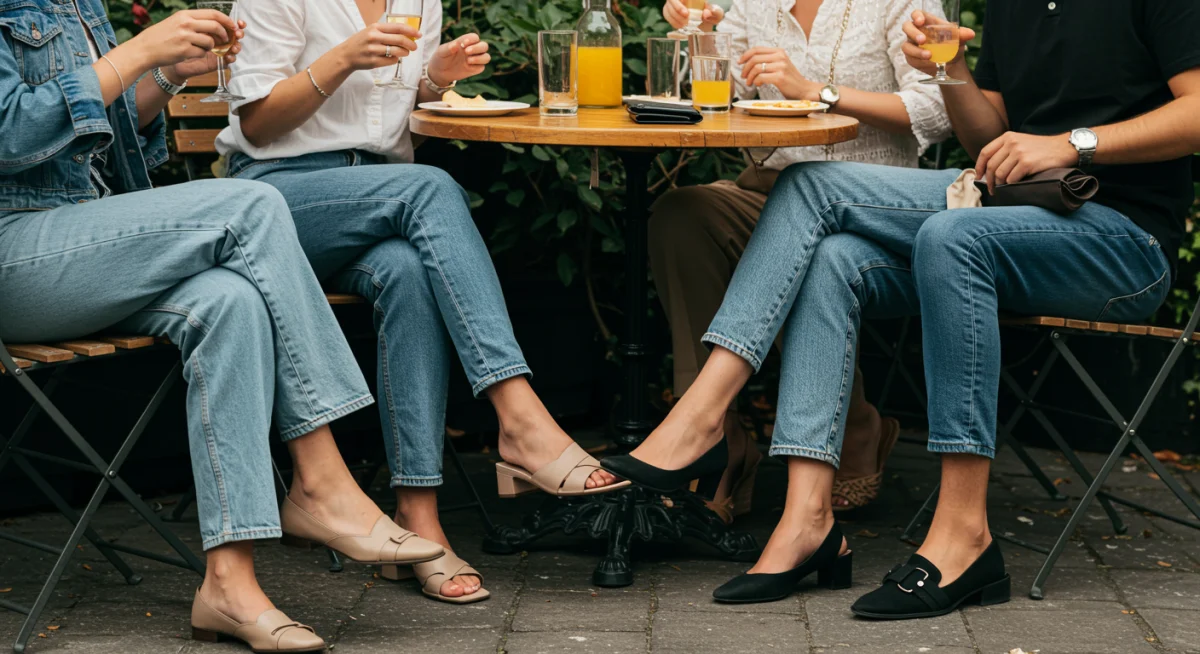
Casual attire is the most relaxed dress code, prioritizing comfort and practicality. It’s suitable for everyday activities, running errands, spending time at home, or very informal social gatherings. However, ‘casual’ does not equate to ‘sloppy.’ There’s still an expectation of neatness and cleanliness, even in the most laid-back settings.
Modern Casual Wear Considerations
- Comfort is King: Think well-fitting jeans, comfortable t-shirts, hoodies, activewear, shorts (weather permitting), and comfortable sneakers or sandals.
- Quality Over Quantity: Even for casual wear, investing in quality pieces that fit well and are made from durable fabrics will elevate your look.
- Context is Crucial: While casual, consider where you’re going. Beach casual is different from backyard BBQ casual, which is different from a casual dinner at a friend’s house.
The distinction often comes down to polish and intent. Smart casual implies a conscious effort to look good, even if relaxed, while casual is primarily about comfort and utility. Both dress codes are integral to a versatile wardrobe, allowing you to seamlessly transition through various informal settings with ease and confidence.
The Nuances of Festive and Themed Dress Codes
Festive and themed dress codes add an exciting, often playful, dimension to event dressing. They move beyond mere formality, inviting guests to immerse themselves in the spirit of the occasion. While these can be fun, they also present unique challenges in striking the right balance between adherence to the theme and maintaining personal style and elegance.
Festive attire is typically requested for holiday parties, celebratory events, or special seasonal gatherings. It implies a sense of joy and celebration, often incorporating brighter colors, metallics, sparkle, and luxurious textures that might be out of place in more traditional settings. The goal is to look cheerful and celebratory, but still sophisticated.
Embracing Festive Attire for 2026
- Color and Sparkle: Don’t shy away from rich jewel tones, reds, greens, silvers, and golds. Sequins, glitter, and metallic fabrics are welcome.
- Textures: Velvet, satin, brocade, and faux fur can add a festive touch.
- Accessories: Statement jewelry, embellished clutches, and festive footwear can complete the look. For men, a festive tie or pocket square can elevate a suit.
Themed dress codes, on the other hand, require guests to interpret a specific concept, era, or cultural style. This could range from ‘Roaring Twenties’ to ‘Tropical Paradise’ or ‘Superheroes.’ The success of a themed outfit lies in creativity and attention to detail, while still ensuring the attire is comfortable and appropriate for the event type.
Tips for Themed Dressing
- Research: Understand the theme fully. Look up historical fashion, character inspirations, or cultural elements if applicable.
- Interpretation: You don’t always need a full costume. Sometimes a subtle nod to the theme through colors, patterns, or accessories is sufficient and more stylish.
- Comfort and Mobility: Ensure your themed outfit allows you to comfortably participate in the event’s activities.
The challenge with both festive and themed dress codes is to avoid looking like you’re wearing a costume, unless explicitly stated (e.g., a Halloween party). The aim is to integrate the celebratory or thematic elements into a fashionable and well-executed ensemble. Always consider the host’s intent and the overall atmosphere they wish to create.
Special Occasion Dress Codes: Weddings and Galas
Weddings and galas are among the most significant events in anyone’s social calendar, and they almost invariably come with specific dress code expectations. These occasions are designed to be memorable, and your attire plays a crucial role in honoring the event and its hosts. Understanding these codes ensures you celebrate in style and respect.
Wedding dress codes can vary widely depending on the couple’s preferences, the venue, and the time of day. Common wedding dress codes include ‘cocktail,’ ‘semi-formal,’ ‘black tie,’ ‘black tie optional,’ and ‘casual.’ Each dictates a different level of formality and style, from elegant gowns to more relaxed sundresses.
Common Wedding Dress Codes and Interpretations
- Black Tie Wedding: For men, a tuxedo is expected. For women, a formal floor-length gown.
- Formal / Black Tie Optional Wedding: Men can wear a dark suit with a tie or a tuxedo. Women can choose a long evening gown, a sophisticated cocktail dress, or an elegant pantsuit.
- Cocktail / Semi-Formal Wedding: Men typically wear a suit (can be lighter in color for daytime). Women wear a cocktail dress, a dressy skirt and top, or an elegant jumpsuit.
- Casual Wedding: This can range from a sundress for women and khakis with a button-down shirt for men, to smart casual attire. Always clarify if unsure.
Galas and charity events often lean towards the more formal end of the spectrum, frequently specifying ‘black tie’ or ‘white tie.’ These are opportunities to embrace high fashion and sophisticated elegance, making a statement while adhering to the event’s prestige. These events often have a grand setting, and your attire should match the grandeur.
Dressing for Galas and Prestigious Events
- White Tie: This is the most formal dress code. For men, a black tailcoat, white pique vest, white wing-collared shirt, white bow tie, and black patent leather shoes. For women, a full-length ball gown, often with gloves.
- Black Tie: As discussed previously, a tuxedo for men and a formal floor-length gown for women.
- Color and Fabric: Opt for luxurious fabrics like silk, satin, velvet, or brocade in classic colors or rich jewel tones.
For both weddings and galas, it is important to consider the venue and time of year. An outdoor summer wedding will have different practical considerations than an indoor winter gala. Always err on the side of being slightly overdressed rather than underdressed, as it shows respect for the occasion and the hosts.
The Future of Dress Codes: 2026 Trends and Beyond
As we move further into 2026 and beyond, dress codes continue to evolve, reflecting broader societal shifts towards sustainability, individuality, and comfort. The rigid rules of the past are increasingly being replaced by more flexible guidelines, yet the underlying principles of respect and appropriateness remain constant. Understanding these emerging trends is vital for staying stylish and relevant.
One significant trend is the increasing emphasis on sustainable and ethical fashion choices. Consumers are becoming more conscious of the environmental and social impact of their clothing. This translates into a preference for high-quality, durable garments made from eco-friendly materials, and a move away from fast fashion. Expect to see more brands highlight their sustainable practices, influencing how we perceive and choose our attire for various occasions.
Key Trends Shaping 2026 Dress Codes
- Versatility and Multi-functional Pieces: Clothing that can transition seamlessly from one dress code to another, or from day to night, will be highly valued. Think adaptable separates that can be dressed up or down.
- Gender-Neutral and Adaptive Fashion: The fashion industry is becoming more inclusive, with a rise in gender-neutral styles and adaptive clothing designed for people with disabilities. This broadens the scope of what is considered appropriate and stylish for various events.
- Personalized Expression: While dress codes provide guidelines, there’s a growing encouragement for individuals to infuse their personal style and creativity into their outfits, making each look unique.
The influence of technology also continues to shape dress codes. Virtual events and hybrid work models mean that ‘above-the-waist’ dressing remains important, with attention paid to how one appears on camera. Digital fashion and augmented reality try-ons are also gaining traction, potentially influencing how we plan and experience our outfits.
Ultimately, the future of dress codes in the US is about intelligent dressing. It’s about making conscious choices that reflect your values, respect the occasion, and celebrate your individuality. The days of strict, unyielding rules are fading, making way for a more nuanced and thoughtful approach to personal style. Staying informed about these shifts will ensure you’re always impeccably dressed for any event.
Essential Wardrobe Staples for Every Dress Code
Building a versatile wardrobe that can effortlessly adapt to any dress code is not about owning countless pieces, but rather about investing in key staples. These foundational items, when chosen wisely, can be mixed and matched to create an array of appropriate outfits for nearly any occasion. A well-curated wardrobe is a powerful tool for navigating the complexities of dress codes.
Starting with a strong base of neutral colors is always advisable. Black, navy, charcoal grey, white, and beige form the backbone of any adaptable wardrobe. These colors are easy to combine, project professionalism, and serve as excellent canvases for adding pops of color or texture through accessories. Focus on quality fabrics that drape well and are durable.
Must-Have Staples for a Versatile Wardrobe
- The Tailored Blazer: A well-fitting blazer in a neutral color (black, navy, or grey) can instantly elevate jeans to smart casual, or complete a business professional look.
- Classic Dress Shirts/Blouses: Crisp white or light blue button-downs are indispensable for both men and women. For women, versatile blouses in various fabrics add elegance.
- Dark Wash Jeans/Tailored Trousers: A pair of dark, well-fitting jeans can be dressed up or down. Tailored trousers in wool or a blend are essential for business and semi-formal wear.
- Versatile Dresses/Skirts: For women, a little black dress (LBD), a sophisticated midi skirt, or a wrap dress can be styled for cocktail, business casual, or even semi-formal events.
- Quality Footwear: Invest in polished leather dress shoes (men), versatile heels/flats (women), and stylish, clean sneakers.
Beyond individual pieces, understanding the power of accessories is crucial. A simple outfit can be transformed with the right belt, tie, scarf, piece of jewelry, or handbag. Accessories allow for personal expression and can elevate a look to meet a specific dress code requirement without needing an entirely new outfit. For example, a statement necklace can turn a simple black dress into cocktail attire.
Finally, fit is king. Even the most expensive garment will look ill-fitting if it doesn’t suit your body shape. Investing in tailoring ensures your clothes look polished and intentional, making a significant difference in how you present yourself across all dress codes. A well-fitting wardrobe not only looks better but also boosts confidence, making the task of decoding dress codes much simpler and more enjoyable.
| Dress Code Category | Key Characteristics for 2026 |
|---|---|
| Business Professional | Tailored suits, conservative colors, polished accessories. Ideal for formal corporate settings. |
| Smart Casual | Elevated everyday wear; stylish jeans/chinos, blazers, versatile tops. Blends comfort with polish for social events. |
| Cocktail Attire | Semi-formal elegance; chic dresses (knee to midi), stylish suits, luxurious fabrics. Perfect for evening celebrations. |
| Black Tie | Peak formality; tuxedos for men, floor-length gowns for women. Reserved for prestigious evening events. |
Frequently Asked Questions About US Dress Codes
Business casual remains the most prevalent dress code in US workplaces for 2026. It allows for a balance of professionalism and comfort, incorporating elements like tailored trousers, blouses, button-down shirts, and blazers without requiring full suits.
‘Cocktail’ implies a dressy, celebratory look (knee-length dresses, suits with ties). ‘Black tie optional’ suggests a tuxedo is welcome but a dark, formal suit is also appropriate for men, and a long gown or sophisticated cocktail dress for women, leaning more formal than cocktail.
Yes, dark-wash, well-fitting jeans without rips or excessive distressing can be appropriate for a ‘smart casual’ dress code. Pair them with a blazer, a stylish blouse or button-down shirt, and polished footwear to elevate the look.
For 2026 ‘festive’ attire, consider incorporating rich colors, metallic fabrics, subtle sparkle, or luxurious textures like velvet. The goal is to convey a celebratory mood while maintaining an elegant and sophisticated overall appearance for holiday parties or special events.
Tailoring is extremely important. Even if you have the correct garments, ill-fitting clothes can undermine your adherence to any dress code, making your outfit appear sloppy or unprofessional. A well-tailored garment enhances your silhouette and elevates your entire look, conveying intentionality and polish.
Conclusion
As we’ve explored, Decoding Dress Codes: A Comprehensive Style Guide for Every Occasion in the US, Updated for 2026 is more than just about following rules; it’s about understanding the unspoken language of respect, confidence, and social etiquette. From the boardrooms requiring business professional to the festive gatherings calling for celebratory flair, each dress code serves a purpose. By understanding the nuances, embracing versatility, and prioritizing fit and quality, you can confidently navigate any social or professional landscape. The evolving nature of fashion means staying adaptable, but with these guidelines, you’re well-equipped to make impeccable style choices for every occasion in the United States, today and in the years to come.
