The Truth About Thread Count: Debunking Myths and Finding Quality Fabrics in 2026
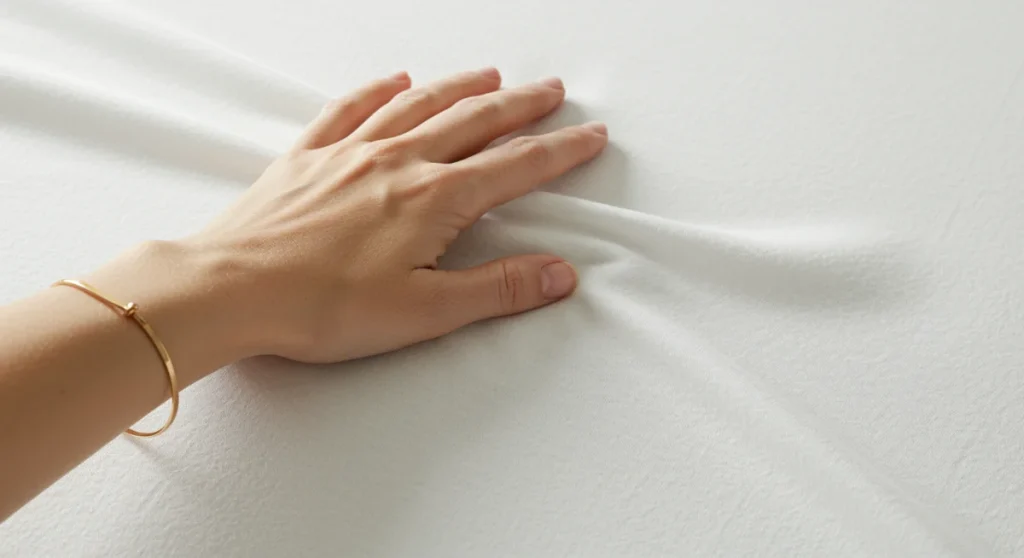
The truth about thread count reveals it’s often a misleading metric; true quality in fabrics for clothing and linens in 2026 hinges on fiber type, weave, and finishing processes, not just a high number.
When it comes to selecting textiles, especially for bedding or high-end apparel, the term thread count myths often dominates the conversation. For years, consumers have been led to believe that a higher thread count automatically equates to superior quality and comfort. However, as we approach 2026, it’s time to peel back the layers of marketing and delve into what truly defines a quality fabric. This article aims to dismantle these long-held misconceptions and guide you toward making informed decisions about your textile purchases.
Understanding Thread Count: The Basics and Its Limitations
Thread count, at its core, refers to the number of threads woven into one square inch of fabric. This includes both the horizontal (weft) and vertical (warp) threads. While it provides a quantifiable measure, its interpretation has become heavily skewed by marketing.
Historically, a thread count of 200 was considered standard for good quality sheets, with 400 being quite luxurious. However, the industry has seen an escalation, with some products boasting counts well into the thousands, creating an illusion of unparalleled softness and durability that often doesn’t hold up in reality.
The Marketing Game: Inflated Numbers
Many manufacturers achieve extremely high thread counts by using multi-ply threads. Instead of counting each individual strand, they count each ply within a thread. For example, a two-ply thread might be counted as two threads, effectively doubling the stated thread count without necessarily improving the fabric’s actual quality or feel.
- Single-ply threads: These are individual threads, offering a true representation of the weave density.
- Multi-ply threads: Composed of multiple thinner strands twisted together, which can artificially inflate the thread count.
- Fabric integrity: Overly high thread counts achieved through multi-ply threads can sometimes make a fabric feel heavier or less breathable.
The limitation of thread count lies in its inability to convey the quality of the fiber itself, the weaving technique, or the finishing processes. A sheet with a thread count of 300 made from long-staple cotton will almost always feel superior and last longer than a sheet with a 1000 thread count made from short-staple cotton or multi-ply threads.
Ultimately, while thread count offers a numerical reference, it should be considered one factor among many. Focusing solely on this number can lead to disappointment, as it doesn’t guarantee the comfort, durability, or overall value of a textile product.
Beyond the Numbers: The Importance of Fiber Type
The type of fiber used is arguably the most critical factor in determining fabric quality, far outweighing an inflated thread count. Different fibers offer distinct characteristics that impact everything from softness and breathability to durability and maintenance.
Understanding the properties of common textile fibers can significantly enhance your ability to choose high-quality fabrics, whether for clothing, bedding, or home furnishings.
Cotton: Varieties and Quality Indicators
Cotton remains a perennial favorite due to its softness, breathability, and absorbency. However, not all cotton is created equal.
- Long-staple cotton: Fibers that are longer and stronger, such as Egyptian cotton, Pima cotton, and Supima cotton. These produce smoother, more durable fabrics that pill less and soften over time.
- Short-staple cotton: More common and less expensive, these fibers are shorter and can lead to a coarser fabric that is more prone to pilling and less durable.
- Organic cotton: Grown without harmful chemicals, offering an eco-friendly and often softer option, though not directly related to fiber length.
When purchasing cotton products, prioritize those made from long-staple varieties. The extra cost is often justified by the enhanced comfort and longevity. Always look for certifications or clear labeling that specifies the type of cotton used.
Other Natural and Synthetic Fibers
Beyond cotton, a diverse world of fibers offers unique benefits:
- Linen: Known for its exceptional breathability and strength, linen is perfect for warm climates. It has a distinctive, slightly crisp texture that softens beautifully with each wash.
- Silk: Luxurious, smooth, and hypoallergenic, silk is prized for its soft feel and temperature-regulating properties. Its quality is measured in momme weight, not thread count.
- Tencel/Lyocell: A sustainable fiber made from wood pulp, Tencel is incredibly soft, breathable, and moisture-wicking, often compared to silk or high-quality cotton.
- Bamboo: Similar to Tencel, bamboo fabrics are soft, breathable, and have natural antimicrobial properties.
- Microfiber: A synthetic fiber (usually polyester) known for its durability, wrinkle resistance, and affordability. While soft, it can sometimes lack the breathability of natural fibers.
Each fiber presents a unique profile. For instance, linen excels in durability and coolness, while silk offers unparalleled smoothness. Choosing the right fiber depends heavily on your specific needs and preferences for comfort, feel, and performance.
Ultimately, understanding the characteristics of different fiber types empowers you to look beyond superficial numbers like thread count and select fabrics that truly meet your expectations for quality and functionality.
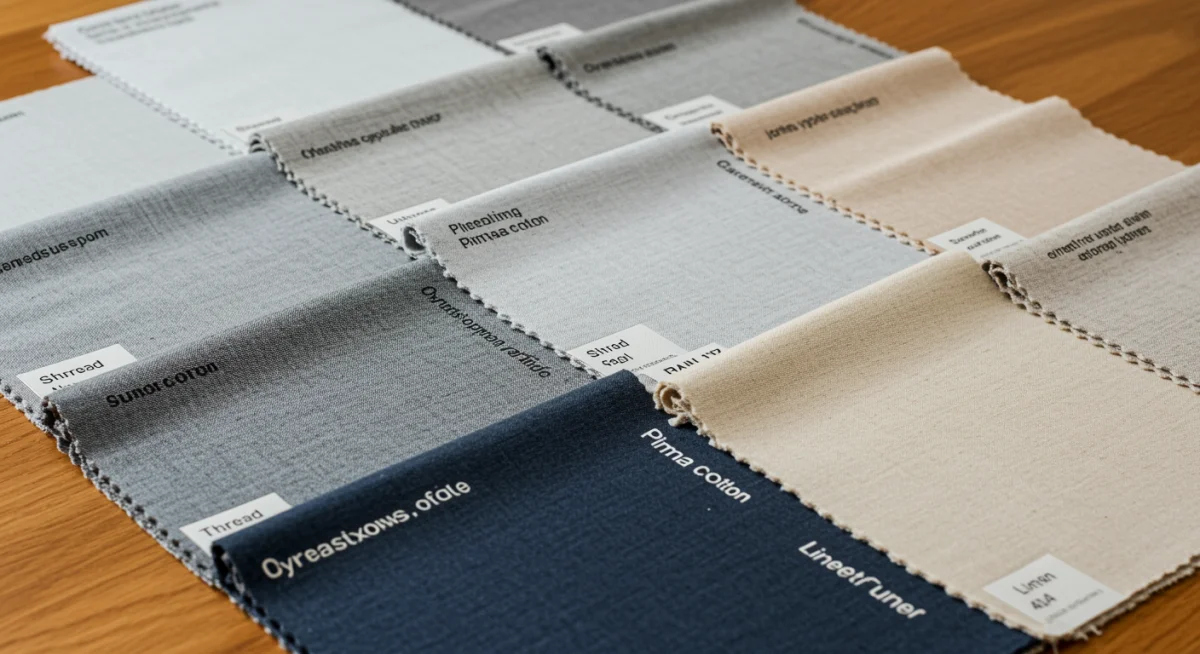
The Craft of Weaving: How Weave Affects Feel and Durability
The way threads are woven together significantly influences a fabric’s texture, drape, durability, and even its breathability. A high thread count in a poorly executed weave will not yield a desirable product. Understanding different weave patterns is crucial for discerning quality in textiles.
The weave structure dictates how light reflects off the fabric, how it feels against the skin, and its resistance to wear and tear. It’s a foundational element of fabric engineering.
Common Weave Types and Their Characteristics
Different weave patterns create distinct fabric properties:
- Percale: A plain weave, where threads are woven one over, one under. This creates a crisp, matte finish that is breathable and durable. Percale sheets often feel cool and fresh, making them ideal for warmer climates.
- Sateen: Characterized by a three-over, one-under weave pattern, sateen fabrics have a smooth, lustrous surface that feels incredibly soft and drapes beautifully. They tend to be warmer than percale due to their tighter weave.
- Twill: Identified by diagonal ribs on the surface, twill weaves (like denim) are very strong, durable, and resistant to wrinkles. They offer good drape and are less prone to showing dirt.
- Jacquard: A complex weave that creates intricate patterns directly into the fabric, rather than being printed on. Damask and brocade are examples of jacquard weaves, known for their elaborate designs and luxurious feel.
The choice of weave impacts not just aesthetics but also practical aspects. For example, a percale weave is often preferred for summer bedding due to its crisp, cool feel, while sateen offers a silkier, warmer option for colder seasons. For clothing, a twill weave provides robust durability, perfect for everyday wear.
Paying attention to the weave type allows you to select textiles that align with your desired feel and intended use. A well-executed weave from quality fibers will always outperform a high thread count in an inferior weave.
Finishing Processes: The Unsung Heroes of Fabric Quality
Once a fabric is woven, it undergoes various finishing processes that profoundly impact its final look, feel, and performance. These treatments can enhance softness, improve durability, add wrinkle resistance, or even impart anti-microbial properties. Overlooking these steps means missing a significant part of the quality equation.
Finishing is where raw fabric transforms into the consumer-ready product, and the quality of these processes can differentiate a good fabric from a truly exceptional one.
Key Finishing Treatments and Their Effects
A range of chemical and mechanical treatments can be applied to fabrics:
- Mercerization: A treatment for cotton fibers that increases strength, luster, and dye uptake. It also makes the fabric smoother and less prone to shrinking.
- Sanforization: A pre-shrinking process that stabilizes the fabric, reducing further shrinkage after washing. Essential for maintaining garment fit.
- Brushing/Napping: Mechanical processes that raise the surface fibers to create a soft, fuzzy texture, as seen in flannel. This enhances warmth and comfort.
- Calendering: Passing fabric through heated rollers to create a smooth, glossy surface, often used to mimic the sheen of sateen or silk.
- Softening agents: Chemical treatments that make fabric feel softer to the touch. While they can improve initial feel, excessive use can sometimes reduce durability or absorbency over time.
The quality of these finishing processes can dictate how a fabric performs over its lifespan. A fabric that is poorly mercerized might shrink excessively, while one with an inferior calendering treatment might lose its sheen after a few washes. Conversely, well-executed finishes contribute significantly to the fabric’s longevity and user satisfaction.
It’s important to look for brands that are transparent about their finishing processes. While specific details might not always be available on product labels, reputable brands often highlight key treatments that contribute to their product’s quality and performance. These processes are vital for ensuring that the fabric not only looks good but also stands up to repeated use and washing.
The Feel Test: Trusting Your Senses Over Numbers
While technical specifications like fiber type and weave are important, the ultimate test of a fabric’s quality often comes down to how it feels. Your hands are surprisingly accurate judges, capable of distinguishing subtle differences that numbers alone cannot convey. This tactile assessment is a critical, often overlooked step in selecting quality textiles.
Don’t be swayed by marketing jargon; let your senses guide you. A truly luxurious fabric will communicate its quality through its touch, drape, and overall sensory experience.
What to Look For When Feeling Fabric
When you have the opportunity to physically interact with a fabric, pay attention to these characteristics:
- Smoothness: Run your hand across the surface. Does it feel smooth and even, or are there irregularities and bumps? High-quality fabrics, especially those made from long-staple fibers, will feel exceptionally smooth.
- Softness: Does the fabric feel soft and inviting, or stiff and coarse? Genuine softness comes from fine, long fibers and a good weave, not just a high thread count.
- Drape: Hold a corner of the fabric and let it hang. Does it drape gracefully and fluidly, or does it feel rigid and lifeless? A good drape indicates quality fibers and a well-constructed weave.
- Weight and body: Does the fabric feel substantial without being overly heavy? A good weight often suggests durability and a rich handfeel.
- Coolness/Warmth: Depending on the fiber, does it feel cool to the touch (like linen or percale) or warm and cozy (like sateen or flannel)? This indicates its suitability for different climates and uses.
The feel test helps you assess the combined effect of fiber quality, weave, and finishing. A high thread count might promise softness, but if the fabric feels rough or stiff to the touch, it’s likely an indication of inferior raw materials or poor processing.
Ultimately, trusting your senses allows you to cut through the marketing noise. A fabric that feels good in your hands is far more likely to provide comfort and satisfaction than one chosen solely based on a number on a label. This personal connection with the material is key to finding true quality.
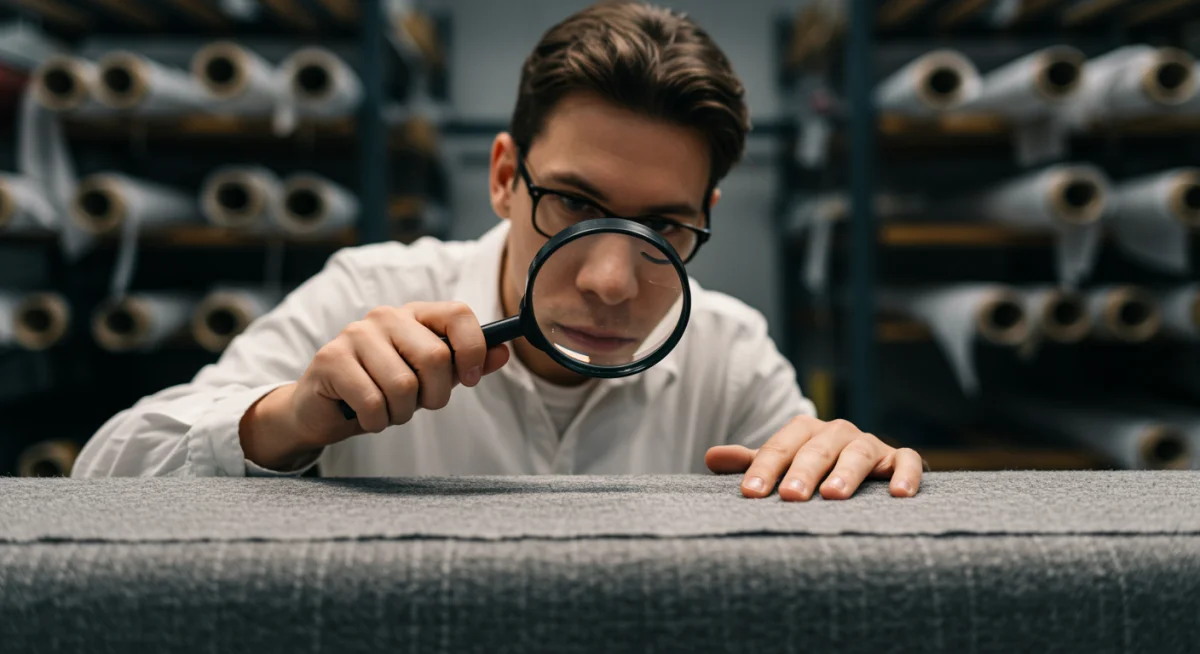
Longevity and Care: Maintaining Fabric Quality Over Time
Investing in high-quality fabrics is only part of the equation; understanding how to properly care for them is essential for preserving their integrity and extending their lifespan. Even the most luxurious fabric can quickly deteriorate with improper washing, drying, or storage.
Proper care ensures that your fabrics retain their softness, color, and structural integrity, allowing you to enjoy their benefits for years to come. It’s an investment in the longevity of your purchase.
Best Practices for Fabric Care
Different fibers and weaves require specific care instructions. Always check the care label, but here are some general guidelines:
- Washing temperature: Cold or lukewarm water is generally best for most fabrics as it helps prevent shrinkage, fading, and damage to delicate fibers.
- Detergent choice: Use mild detergents, and avoid harsh chemicals or excessive bleach, which can weaken fibers and strip colors.
- Drying methods: Air drying or low-heat tumble drying is preferable for most natural fibers to prevent shrinkage and maintain softness. Over-drying can make fabrics brittle.
- Storage: Store clean, dry fabrics in a cool, dry place away from direct sunlight to prevent mildew and fading.
For specific fibers, consider these tips:
- Cotton: Can typically withstand warmer washes, but cold water is recommended for colored items to prevent fading. Tumble dry on low or medium heat.
- Linen: Washes well in cold or lukewarm water. Tumble dry on low heat to avoid excessive wrinkling, or air dry and iron while slightly damp for a crisp finish.
- Silk: Hand wash in cold water with a gentle, pH-neutral detergent, or dry clean. Avoid machine washing and high heat drying, which can damage fibers.
- Tencel/Lyocell: Wash on a gentle cycle with cold water. Tumble dry on low or air dry to maintain softness and prevent pilling.
Understanding and adhering to proper care instructions is not just about extending the life of your fabrics; it’s about preserving the very qualities that made you choose them in the first place. A well-cared-for fabric will continue to provide comfort and luxury, proving that true quality endures.
Navigating the Market in 2026: Smart Shopping Strategies
As consumer awareness grows and the textile industry continues to evolve, navigating the market for quality fabrics in 2026 requires a more discerning approach than simply looking at a thread count number. Smart shopping means asking the right questions and prioritizing transparency from brands.
The market is saturated with options, making it crucial to develop strategies that help you identify genuine quality amidst the noise of exaggerated claims.
Tips for Identifying True Quality Fabrics
Here are actionable strategies to ensure you’re investing in textiles that offer real value:
- Research the brand: Look for brands known for their transparency regarding sourcing, manufacturing processes, and fiber types. Reputable companies often provide detailed information on their websites.
- Prioritize fiber type: Always check the label for the specific fiber composition. Opt for long-staple cottons (Egyptian, Pima, Supima), linen, silk, or sustainable options like Tencel.
- Consider the weave: Understand how different weaves affect feel and durability. Choose percale for crispness, sateen for smoothness, or twill for strength, based on your needs.
- Read reviews critically: Look for reviews that mention long-term durability, how the fabric holds up after washing, and its overall feel, rather than just initial impressions.
- Examine certifications: Certifications like Oeko-Tex Standard 100 or GOTS (Global Organic Textile Standard) indicate that fabrics meet specific environmental and social criteria, often correlating with higher quality.
- Don’t be afraid to ask: If shopping in person, ask sales associates about the fabric’s origin, fiber length, and finishing processes. Online, look for detailed product descriptions or contact customer service.
By adopting these smart shopping strategies, you empower yourself to look beyond superficial marketing tactics. In 2026, the informed consumer is the one who understands that true fabric quality is a holistic concept, encompassing the fiber, weave, finishing, and ethical production practices, not just an arbitrary number. This approach ensures that your purchases are not only comfortable and durable but also align with your values.
| Key Aspect | Brief Description |
|---|---|
| Thread Count Myth | High numbers often inflated by multi-ply threads, not always indicating superior quality. Focus on fiber and weave instead. |
| Fiber Type Impact | Long-staple cotton, linen, and silk offer superior softness, durability, and breathability compared to short-staple or synthetic alternatives. |
| Weave & Finish | Percale, sateen, and twill weaves affect feel and use. Quality finishing (mercerization, sanforization) enhances durability and appearance. |
| Tactile Assessment | Trust your senses: feel for smoothness, softness, and drape to truly assess a fabric’s quality beyond numerical specifications. |
Frequently Asked Questions About Fabric Quality
No, a higher thread count is not always better. While it indicates thread density, numbers above 600-800 are often inflated by multi-ply threads. Focus more on fiber type, weave, and finishing processes for true quality indicators, as these factors significantly impact softness and durability.
For truly high-quality cotton sheets, a thread count between 300 and 500, made from long-staple cotton like Egyptian or Pima, is generally considered ideal. This range provides a good balance of softness, breathability, and durability without artificial inflation.
Fiber type is paramount. Long-staple fibers (e.g., Egyptian cotton, linen, silk) create stronger, smoother, and more durable fabrics that resist pilling. Short-staple fibers result in coarser, weaker textiles. Synthetic fibers offer different properties like wrinkle resistance, but may lack natural breathability.
Percale offers a crisp, matte, and breathable feel, ideal for warm sleepers. Sateen provides a smooth, lustrous, and softer surface with a beautiful drape, often feeling warmer. The choice depends on personal preference for texture and climate suitability, impacting comfort.
Yes, many sustainable fabrics like Tencel (Lyocell) are indeed high quality. They are known for exceptional softness, breathability, moisture-wicking properties, and durability. Their production processes are also often more environmentally friendly, making them an excellent choice for conscious consumers seeking superior textiles.
Conclusion
The journey to understanding fabric quality in 2026 is far more nuanced than simply chasing an ever-increasing thread count. As we’ve explored, true quality is a harmonious blend of superior fiber type, meticulous weave construction, and thoughtful finishing processes. By empowering ourselves with knowledge about these critical factors, and by trusting our own tactile senses, we can cut through the marketing hype and make genuinely informed choices. Investing in textiles that are truly high quality means prioritizing longevity, comfort, and ethical production, ultimately enriching our daily lives and ensuring our purchases stand the test of time.
