Textile Tech: Innovations Shaping Future Fashion Fabrics
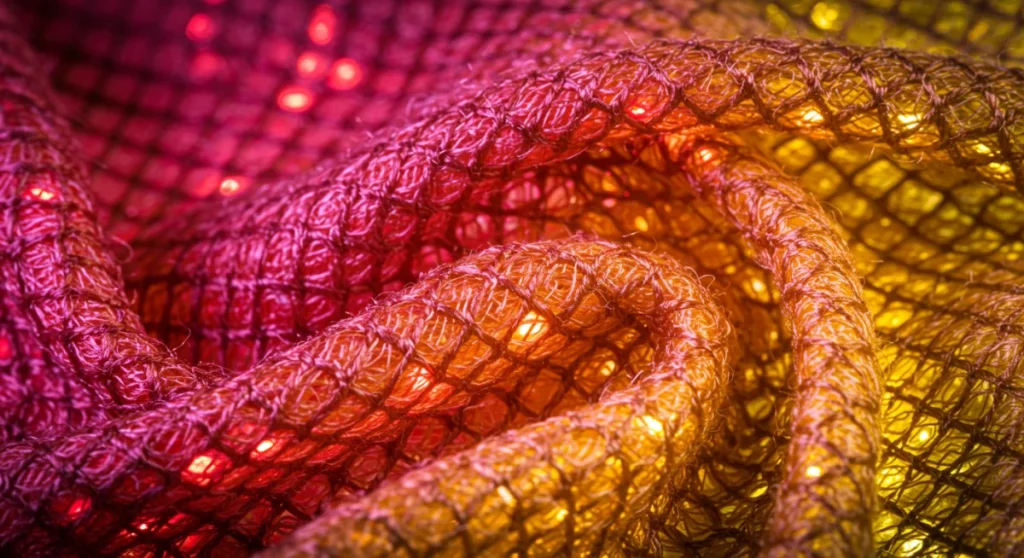
Textile tech innovations are profoundly reshaping the fashion industry by integrating advanced materials, smart functionalities, and sustainable practices, leading to a future where clothing is more interactive, eco-friendly, and personalized than ever before.
The fashion world is constantly evolving, but few shifts are as profound as those driven by Textile Tech: Innovations Shaping the Future of Fashion Fabrics. We are moving beyond mere aesthetics into an era where clothing actively enhances our lives, responds to our environment, and minimizes its ecological footprint. This isn’t just about new styles; it’s about a fundamental redefinition of what fabric can be.
The Dawn of Smart Textiles and Wearable Technology
Smart textiles represent a groundbreaking frontier in fashion, embedding digital functionality directly into the fibers of our garments. These aren’t just clothes with attached gadgets; they are fabrics that can sense, react, and communicate, opening up a universe of possibilities for personal comfort, health monitoring, and interactive experiences.
Imagine clothing that can adapt to changing temperatures, regulate your body heat, or even charge your devices. This integration of electronics into textiles is no longer science fiction but a rapidly advancing reality, blurring the lines between fashion, technology, and utility.
Interactive and Responsive Clothing
One of the most exciting aspects of smart textiles is their ability to interact with the wearer and the environment. These fabrics are designed to be dynamic, offering functionalities that traditional textiles simply cannot.
- Temperature Regulation: Fabrics that automatically cool you down when it’s hot and warm you up when it’s cold, using phase-change materials or integrated heating elements.
- Health Monitoring: Garments equipped with sensors that track heart rate, respiration, sleep patterns, and even posture, sending data directly to your smartphone or medical professionals.
- Adaptive Aesthetics: Textiles that can change color or pattern based on external stimuli like light, temperature, or even the wearer’s mood, offering personalized style on demand.
The development of these smart textiles requires interdisciplinary collaboration, bringing together textile engineers, material scientists, software developers, and fashion designers. This holistic approach ensures that the technological advancements are not only functional but also seamlessly integrated into aesthetically pleasing and comfortable garments.
The potential applications extend far beyond everyday wear, impacting sports, healthcare, and even protective gear. Smart textiles are poised to transform how we perceive and utilize clothing, making our garments active participants in our well-being and daily routines.
Sustainable Fabric Revolution: Eco-Friendly Innovations
The fashion industry has long grappled with its environmental impact, from water consumption and chemical pollution to textile waste. However, the rise of sustainable fabric innovations is offering a beacon of hope, pushing the industry towards a more responsible and circular future.
This revolution is driven by a growing awareness among consumers and a commitment from brands to adopt practices that minimize harm to the planet. New materials and processes are emerging, challenging conventional production methods and offering viable, eco-conscious alternatives.
From Waste to Wearable: Upcycling and Recycling Technologies
One of the most significant strides in sustainability is the ability to transform waste into new, high-quality textiles. This not only reduces landfill burden but also conserves natural resources.
- Recycled Polyester (rPET): Made from plastic bottles and post-consumer waste, rPET significantly reduces energy consumption and greenhouse gas emissions compared to virgin polyester.
- Upcycled Materials: Creative approaches to repurposing discarded fabrics, clothing, and industrial scraps into new garments, minimizing the need for new material production.
- Chemical Recycling: Advanced processes that break down textile waste into its molecular components, allowing them to be re-polymerized into new fibers with properties similar to virgin materials.
Beyond recycling, the development of bio-based textiles is also gaining momentum. These materials are derived from natural, renewable resources, offering biodegradable and compostable options that reduce reliance on fossil fuels. Examples include fabrics made from pineapple leaves, mushroom mycelium, and algae, each offering unique properties and environmental benefits.
The focus on sustainability extends throughout the entire lifecycle of a garment, from sourcing raw materials to manufacturing, usage, and end-of-life disposal. Brands are increasingly transparent about their supply chains and are investing in innovations that support a circular economy, where resources are kept in use for as long as possible.
Advanced Manufacturing: 3D Printing and Digital Weaving
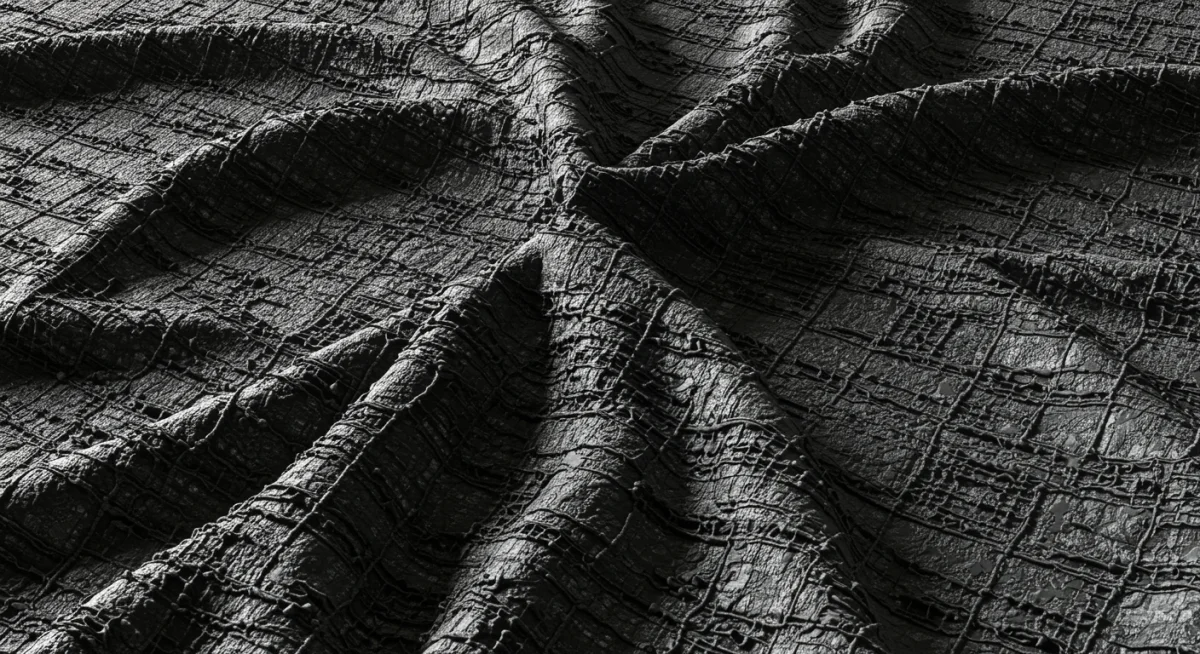
The way textiles are made is undergoing a radical transformation, with advanced manufacturing techniques like 3D printing and digital weaving leading the charge. These innovations are not only enhancing efficiency and precision but also unlocking unprecedented design possibilities, allowing for highly customized and complex fabric structures.
Traditional textile production often involves multiple steps and significant material waste. However, these new methods promise a more streamlined, on-demand approach, reducing both environmental impact and production costs while fostering greater creativity.
The Precision of Digital Weaving
Digital weaving, powered by computer-aided design (CAD) and advanced looms, allows for intricate patterns and textures to be created with unparalleled accuracy. This technology enables designers to experiment with complex weaves and material combinations that would be difficult or impossible to achieve with conventional methods.
Unlike traditional weaving, which often relies on physical templates and manual adjustments, digital weaving offers precise control over every thread. This results in fabrics with superior quality, consistency, and the ability to produce highly specialized textiles for niche applications.
- Rapid Prototyping: Designers can quickly test and iterate on new fabric designs, significantly shortening the development cycle.
- Customization: The ability to produce small batches of highly specialized fabrics, catering to individual client needs or unique design specifications.
- Reduced Waste: Optimized material usage through precise digital control, leading to less yarn waste during the weaving process.
Furthermore, digital weaving facilitates the integration of different fibers and even functional elements directly into the fabric structure, laying the groundwork for more advanced smart textiles. This precision manufacturing opens doors to creating fabrics with embedded sensors or conductive pathways right from the loom.
Performance Fabrics: Beyond Aesthetics
Performance fabrics have moved far beyond the realm of athletic wear, now integrating into everyday fashion and luxury goods. These textiles are engineered to offer specific advantages that enhance comfort, durability, and functionality, addressing the modern consumer’s demand for clothing that does more than just look good.
Innovations in material science have led to fabrics that are lightweight yet strong, breathable yet waterproof, and incredibly resilient. This focus on performance ensures that clothing can withstand diverse environments and demanding lifestyles, extending its lifespan and versatility.
Key Attributes of Next-Gen Performance Fabrics
The development of performance fabrics involves a deep understanding of fiber properties, weave structures, and finishing treatments. The goal is to create textiles that excel in specific areas without compromising on comfort or style.
- Moisture-Wicking: Fabrics designed to draw sweat away from the body, keeping the wearer dry and comfortable during physical activity or in humid conditions.
- Water and Stain Resistance: Advanced coatings and fiber treatments that repel liquids and prevent stains, making garments easier to maintain and more durable.
- UV Protection: Textiles with tightly woven structures or integrated UV-blocking agents that shield the skin from harmful sun rays, essential for outdoor apparel.
- Odor Control: Fabrics infused with antimicrobial properties that inhibit the growth of bacteria, preventing unpleasant odors and extending freshness.
These specialized attributes are not just for sportswear; they are increasingly sought after in casual wear, workwear, and even formal attire. Consumers are looking for clothing that offers practical benefits, such as wrinkle resistance for travel, enhanced durability for daily commuting, or quick-drying properties for an active lifestyle.
The continuous research and development in performance fabrics are pushing the boundaries of what textiles can achieve, providing solutions for a wide range of needs and preferences. This evolution ensures that fashion is not only about appearance but also about intelligent design and superior functionality.
Bio-Synthetics and Lab-Grown Materials
The quest for sustainable and ethical alternatives to traditional materials has led to significant breakthroughs in bio-synthetics and lab-grown materials. These innovations offer a promising path to reducing the environmental impact of fashion, moving away from petrochemical-based synthetics and animal-derived products.
By harnessing biotechnology and advanced scientific processes, researchers are creating materials that mimic the properties of conventional fabrics, but with a drastically lower ecological footprint. This shift represents a fundamental change in how raw materials are sourced and produced for the textile industry.

Cultivating the Future of Fabrics
Lab-grown materials are particularly exciting because they offer a controlled and scalable way to produce textiles without relying on extensive land use, water, or harmful chemicals often associated with natural fibers or traditional synthetics.
- Spider Silk Alternatives: Bio-engineered silks that replicate the strength and elasticity of natural spider silk, offering a high-performance, sustainable fiber without harming spiders.
- Mycelium Leather: Derived from the root structure of mushrooms, this material offers a biodegradable and animal-free alternative to traditional leather, with a similar look and feel.
- Algae-Based Fibers: Utilizing algae as a renewable resource to create biodegradable fibers, often with inherent properties like moisture-wicking or flame resistance.
These bio-synthetics are not just about sustainability; they also offer novel properties that can surpass those of their natural or synthetic counterparts. For instance, some lab-grown materials can be engineered for specific levels of strength, flexibility, or even self-healing capabilities, opening up new design possibilities and performance characteristics for future garments.
The investment in research and development for bio-synthetics and lab-grown materials is growing rapidly, driven by both environmental concerns and the potential for innovative product differentiation. As these technologies mature, they are expected to become more cost-effective and scalable, making them accessible to a broader range of fashion brands and consumers.
The Role of AI and Data in Textile Innovation
Artificial intelligence (AI) and data analytics are rapidly becoming indispensable tools in the textile industry, driving innovation at every stage from design and material development to supply chain optimization and consumer personalization. These technologies offer insights and efficiencies that were previously unattainable, accelerating the pace of change in fashion fabrics.
By leveraging vast amounts of data, AI can predict trends, optimize manufacturing processes, and even design new materials with specific properties. This integration of digital intelligence is not just about automation; it’s about making more informed decisions and fostering a more responsive and sustainable industry.
AI-Driven Design and Material Optimization
AI’s ability to process and analyze complex data sets is revolutionizing how designers approach material selection and fabrication. Machine learning algorithms can identify patterns and correlations that human designers might miss, leading to novel material combinations and design solutions.
- Predictive Analytics for Trends: AI analyzes social media, sales data, and cultural movements to forecast upcoming fashion trends, helping brands develop relevant textile innovations.
- Material Property Simulation: AI can simulate how different fiber combinations and weave structures will perform under various conditions, optimizing material selection for desired characteristics like strength, breathability, or drape.
- Personalized Fabric Creation: Data from consumer preferences and body measurements can be used by AI to design bespoke fabrics that cater to individual comfort and style needs.
Beyond design, AI is also enhancing the efficiency and sustainability of textile manufacturing. By optimizing loom settings, dyeing processes, and quality control, AI can reduce waste, energy consumption, and production errors. This leads to more consistent product quality and a more resource-efficient manufacturing footprint.
The integration of AI also facilitates greater transparency and traceability within the supply chain. By tracking materials from source to finished product, AI can help ensure ethical sourcing and sustainable practices, providing consumers with greater confidence in their purchases. This data-driven approach is crucial for building a more responsible and innovative textile industry.
| Key Innovation | Impact on Fashion Fabrics |
|---|---|
| Smart Textiles | Integrates electronics for health monitoring, temperature regulation, and interactive features. |
| Sustainable Materials | Utilizes recycled, bio-based, and upcycled resources to reduce environmental footprint. |
| 3D Printing & Digital Weaving | Enables precision manufacturing, complex designs, and on-demand production with less waste. |
| Bio-Synthetics | Creates lab-grown alternatives to traditional fibers and leather, promoting ethical and eco-friendly options. |
Frequently Asked Questions About Textile Tech
Smart textiles are fabrics that have digital components, sensors, or other electronic devices embedded within them. These materials can perform various functions, such as monitoring health metrics, regulating temperature, or even generating power, seamlessly integrating technology into everyday clothing for enhanced functionality.
Textile innovations contribute to sustainability by developing eco-friendly materials like recycled polyester, bio-based fibers, and lab-grown alternatives. They also focus on reducing waste through efficient manufacturing processes, such as 3D printing and digital weaving, and promoting circular economy principles in fashion production.
3D printing in fabric creation allows for the precise, on-demand manufacturing of complex textile structures and garments. This technology minimizes material waste, enables unprecedented design freedom, and facilitates rapid prototyping, leading to highly customized and innovative fashion items that are difficult to produce traditionally.
Yes, bio-synthetics are generally considered more sustainable than traditional materials as they are derived from renewable biological resources like plants, fungi, or algae. They often require less water and energy to produce, are biodegradable, and reduce reliance on fossil fuels, offering a greener alternative for textile production.
AI influences the future of fashion fabrics by optimizing design processes, predicting trends, and simulating material performance. It helps in developing new materials with specific properties, streamlines manufacturing to reduce waste, and enhances supply chain transparency, leading to more efficient, personalized, and sustainable textile innovations.
Conclusion
The landscape of fashion fabrics is undergoing an unparalleled transformation, driven by relentless innovation in textile technology. From the interactive capabilities of smart textiles to the profound environmental benefits of sustainable materials and the precision of advanced manufacturing, the future of clothing promises to be more functional, responsible, and personalized. These advancements not only redefine our garments but also challenge our perceptions of fashion’s role in society, setting a new standard for what we wear and how it impacts our world.
