Sustainable Fashion Forecast: Top 5 Eco-Friendly Trends for 2026

The sustainable fashion forecast for 2026 outlines a future where environmental stewardship and ethical practices are paramount, driven by innovations in material science, regenerative agriculture, and a comprehensive shift towards circular economic models within the industry.
The fashion landscape is in constant flux, yet few shifts have been as profound and necessary as the pivot towards sustainability. As we look ahead to 2026, the sustainable fashion forecast reveals a clear trajectory: eco-friendly practices are not just a niche, but the very foundation upon which the future of style will be built. This evolution is driven by consumer demand, technological innovation, and a growing global awareness of our planet’s delicate balance, urging us to consider not just what we wear, but how it’s made and its impact.
The Rise of Regenerative Agriculture in Textile Production
Regenerative agriculture is rapidly emerging as a cornerstone of sustainable textile production, moving beyond merely reducing harm to actively restoring ecological health. This approach focuses on farming practices that improve soil health, enhance biodiversity, and sequester carbon, offering a powerful antidote to the environmental degradation often associated with conventional agriculture.
By 2026, we anticipate a significant increase in brands adopting fibers sourced from regenerative farms. This includes cotton, wool, and other natural materials grown in ways that enrich the land rather than deplete it. The benefits extend beyond the environment, often leading to higher quality fibers and a more resilient supply chain.
Prioritizing Soil Health and Biodiversity
- Carbon Sequestration: Regenerative practices like cover cropping and reduced tillage significantly increase the soil’s capacity to store carbon, directly combating climate change.
- Enhanced Biodiversity: Diverse cropping systems and natural pest management foster richer ecosystems, supporting pollinators and wildlife.
- Water Conservation: Healthy soil acts like a sponge, improving water retention and reducing the need for irrigation, especially crucial in water-stressed regions.
- Reduced Chemical Use: By focusing on natural processes, regenerative agriculture minimizes or eliminates the use of synthetic pesticides and fertilizers, protecting both ecosystems and human health.
The shift towards regenerative agriculture signifies a fundamental change in how fashion views its raw materials. It’s not just about what fabric is used, but how that fabric’s journey begins, from the very soil it grows in. This holistic perspective ensures that fashion can be a force for good, contributing positively to the environment.
Ultimately, regenerative agriculture offers a compelling vision for the future of fashion. It’s a proactive, restorative approach that addresses environmental challenges at their root, providing the industry with materials that are not only sustainable but actively beneficial to the planet. This trend will undoubtedly shape the sustainable fashion forecast for years to come, influencing both supply chains and consumer choices.
Circular Design and Longevity: A New Paradigm for Fashion
Circular design is set to revolutionize how garments are conceived, produced, and consumed, emphasizing longevity, repairability, and recyclability from the outset. This trend moves away from the traditional linear ‘take-make-dispose’ model, aiming to keep materials in use for as long as possible and minimize waste.
In 2026, consumers will increasingly seek out brands that offer products designed for durability and ease of recycling. This includes innovations in material composition, modular designs that allow for easy replacement of worn parts, and robust take-back programs that facilitate the end-of-life recycling or upcycling of garments. The focus shifts from fleeting trends to timeless, enduring pieces.
Strategies for Enhanced Longevity and Circularity
- Material Choice: Selecting high-quality, durable fibers that can withstand repeated wear and washing, and are easily recyclable without compromising integrity.
- Modular Construction: Designing garments with components that can be individually repaired or replaced, extending the overall lifespan of the item.
- Repair Services: Brands offering in-house repair services or partnering with local tailors to encourage customers to mend rather than discard.
- Buy-Back and Resale Programs: Facilitating the return of used garments to the brand for resale, upcycling, or recycling, creating a closed-loop system.
The concept of circularity is not just about recycling; it’s about a complete rethinking of the product lifecycle. It requires designers to consider a garment’s journey from conception to its eventual return to the material stream. This proactive approach ensures that waste is designed out of the system, fostering a more resource-efficient and environmentally responsible industry.
As consumer awareness grows, the demand for transparent and genuinely circular practices will intensify. Brands that successfully integrate these principles will gain a significant competitive advantage, appealing to a generation of shoppers who prioritize environmental impact alongside style. The circular design movement is a critical component of the sustainable fashion forecast, promising a future where fashion leaves a lighter footprint on the planet.
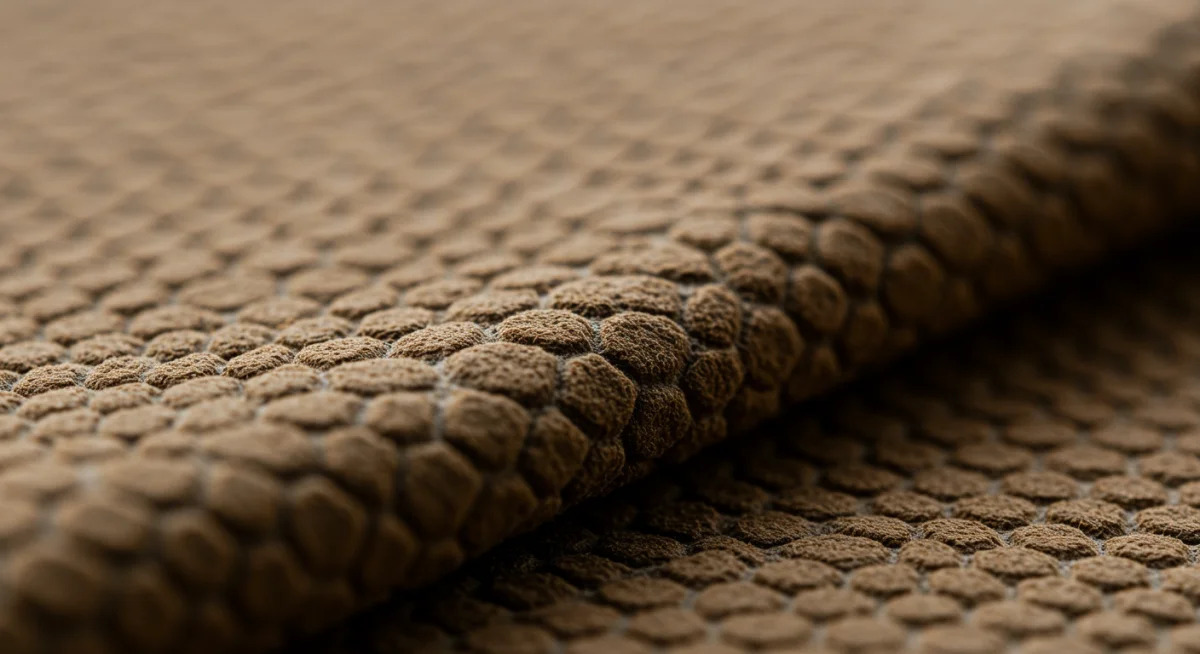
Innovation in Sustainable Materials: Beyond Organic Cotton
The landscape of sustainable materials is expanding dramatically, moving far beyond conventional organic cotton to embrace a new generation of innovative, eco-friendly alternatives. These advancements are crucial for meeting the diverse demands of the fashion industry while significantly reducing its environmental impact.
By 2026, we expect to see widespread adoption of materials derived from unexpected sources, including agricultural waste, algae, and even laboratory-grown textiles. These materials often boast superior performance characteristics, such as enhanced durability, breathability, and reduced water consumption during production, making them attractive options for both luxury and mass-market brands.
Cutting-Edge Sustainable Material Innovations
- Mycelium-Based Leathers: Derived from fungi, these materials offer a biodegradable and cruelty-free alternative to traditional leather, with a luxurious feel and appearance.
- Algae-Based Fabrics and Dyes: Algae can be cultivated with minimal resources to create vibrant dyes and even fibers, offering a truly regenerative resource.
- Recycled Ocean Plastics: Advanced recycling technologies are transforming discarded plastics from marine environments into high-quality yarns, tackling pollution while creating new textiles.
- Hemp and Linen Blends: These natural fibers, known for their low environmental footprint and durability, are being reimagined with softer textures and more versatile applications.
The development of these new materials is not merely about finding alternatives; it’s about pushing the boundaries of what’s possible in textile science. Each innovation brings us closer to a future where fashion can thrive without compromising planetary health. These materials often require less water, fewer chemicals, and generate less waste than their conventional counterparts, making them essential for a truly sustainable industry.
Brands investing in these cutting-edge materials are demonstrating a commitment to innovation and environmental stewardship, setting new benchmarks for the industry. This focus on advanced material science is a key driver in the sustainable fashion forecast, promising a future of diverse, high-performing, and eco-conscious textiles that will redefine our wardrobes.
Transparency and Traceability: Empowering the Conscious Consumer
Transparency and traceability are becoming non-negotiable standards in the sustainable fashion industry, empowering consumers to make informed choices about the ethical and environmental impact of their purchases. Brands are realizing that providing clear, verifiable information about their supply chains builds trust and fosters loyalty.
By 2026, digital tools such as blockchain technology and QR codes will provide unprecedented access to a garment’s journey, from raw material sourcing to manufacturing and distribution. Consumers will be able to scan a label and instantly learn about the environmental certifications, labor practices, and material origins of their clothing, creating a new level of accountability.
Key Aspects of Enhanced Transparency
- Blockchain Integration: Securely tracking every step of the supply chain, ensuring authenticity and providing immutable records of ethical and sustainable practices.
- Digital Product Passports: QR codes or NFC tags embedded in garments that link to comprehensive information about the product’s lifecycle and impact.
- Supplier Audits and Certifications: Brands publicly sharing results of third-party audits and certifications (e.g., GOTS, Fair Trade) to verify their claims.
- Impact Reporting: Detailed reports on environmental metrics (water use, carbon emissions) and social metrics (fair wages, safe working conditions).
This push for transparency is not just about compliance; it’s about creating a narrative of responsibility that resonates with consumers. Brands that are open about their processes, including challenges and improvements, will be seen as more credible and trustworthy. This fosters a deeper connection between the brand and its customers, based on shared values.
The ability to trace a garment’s origins and understand its impact will transform the shopping experience, making conscious consumption easier and more accessible. This unwavering commitment to transparency and traceability is a vital element of the sustainable fashion forecast, driving a more ethical and accountable industry for all stakeholders.
The Rise of Resale, Rental, and Customization Models
The traditional model of constant new purchases is being challenged by the growing popularity of resale, rental, and customization services, which promote a more sustainable and collaborative approach to fashion consumption. These models extend the lifespan of garments and reduce the demand for new production.
In 2026, platforms for peer-to-peer resale and brand-backed rental services will be mainstream, offering consumers access to a wider range of styles without the need for ownership. Customization, too, will see a resurgence, allowing individuals to personalize existing garments or create unique pieces, further reducing waste and fostering individuality.
Expanding Sustainable Consumption Models
- Vibrant Resale Marketplaces: Online platforms and physical stores dedicated to selling pre-owned clothing, making second-hand fashion stylish and accessible.
- Fashion Rental Services: Subscription or one-off rental options for special occasion wear, everyday outfits, or designer pieces, reducing the need for individual purchases.
- Upcycling and Customization: Services that transform old or unwanted garments into new, unique pieces, giving them a second life and reflecting personal style.
- Brand-Led Take-Back Programs: Initiatives where brands accept used items from customers, either for resale, recycling, or donation, closing the loop on their products.
These alternative consumption models are not just about saving money; they are about shifting our relationship with clothing away from disposable trends towards a more considered and sustainable approach. They encourage creativity, extend the lifecycle of garments, and drastically reduce environmental impact by minimizing new production.
The growth of these models also fosters a sense of community among fashion enthusiasts who value sustainability and unique style. As consumers become more aware of the environmental costs of fast fashion, these innovative consumption methods will become increasingly integral to the sustainable fashion forecast, shaping how we interact with our wardrobes.
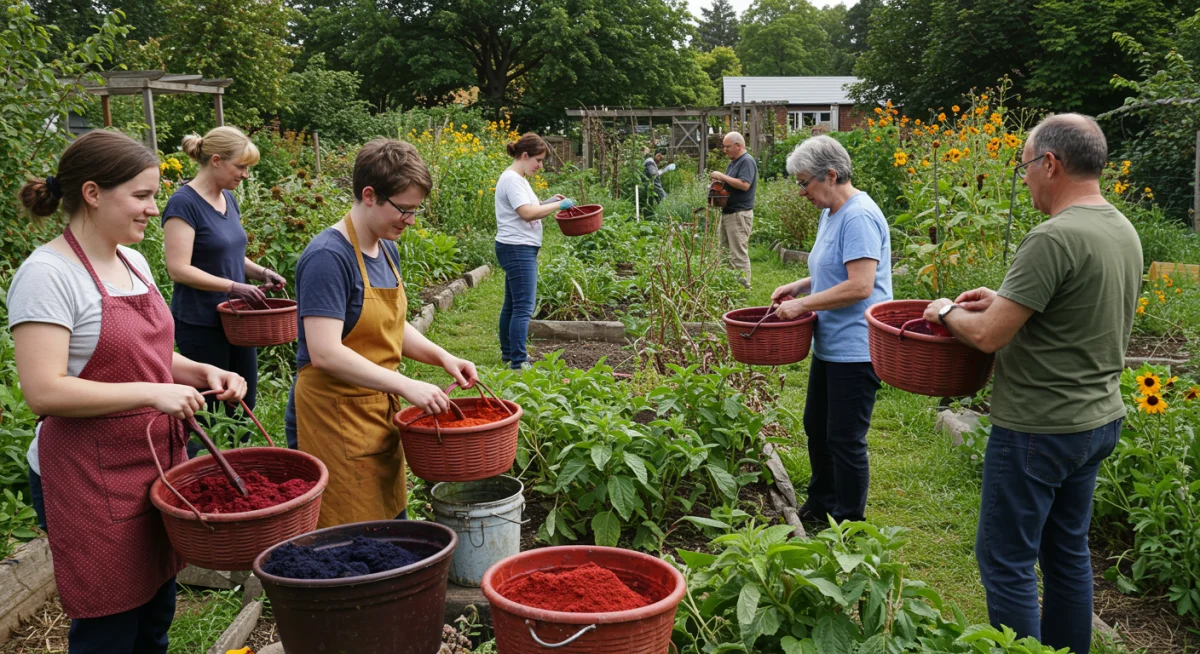
Ethical Production and Fair Labor Practices
Ethical production and fair labor practices are no longer optional but fundamental requirements for any brand aspiring to be truly sustainable. The focus on human rights, safe working conditions, and fair wages across the entire supply chain will intensify, becoming a key differentiator for conscious consumers.
By 2026, consumers will expect brands to demonstrate verifiable commitments to fair labor, extending beyond basic compliance to proactive initiatives that empower workers and foster equitable relationships. This includes investing in worker training, promoting transparent wage structures, and ensuring healthy and safe environments in factories worldwide.
Pillars of Ethical Production
- Living Wages: Ensuring all workers in the supply chain receive wages that meet their basic needs and provide a decent standard of living, not just minimum wage.
- Safe Working Conditions: Implementing and enforcing strict health and safety protocols in all manufacturing facilities, protecting workers from harm.
- Worker Empowerment: Supporting worker representation, collective bargaining, and providing opportunities for skill development and career advancement.
- Elimination of Forced Labor and Child Labor: Rigorous auditing and supply chain mapping to ensure no instances of exploitation exist within the production process.
The ethical dimension of sustainability is as crucial as the environmental one. A garment cannot be truly sustainable if its production relies on exploitation or unsafe practices. Brands are increasingly recognizing that their social responsibility extends to every individual involved in crafting their products, from the farm to the factory floor.
This commitment to ethical production fosters a more just and equitable industry, building a foundation of trust with both workers and consumers. As the demand for accountability grows, fair labor practices will become an indispensable part of the sustainable fashion forecast, shaping the reputations and success of fashion brands globally.
| Key Trend | Brief Description |
|---|---|
| Regenerative Agriculture | Farming practices that restore soil health and biodiversity, sequestering carbon for eco-friendly fibers. |
| Circular Design | Designing garments for longevity, repairability, and recyclability to minimize waste. |
| Innovative Materials | Development of new sustainable textiles from sources like mycelium, algae, and recycled plastics. |
| Transparency & Traceability | Using digital tools to provide consumers with clear information about a garment’s supply chain and impact. |
Frequently Asked Questions About Sustainable Fashion in 2026
Regenerative agriculture in fashion refers to farming methods for textile fibers that actively improve soil health, increase biodiversity, and sequester carbon. It goes beyond organic to restore ecosystems, enhancing the environmental benefits of raw material production while providing high-quality fibers for clothing.
Circular design significantly extends clothing longevity by focusing on durability, repairability, and recyclability from the initial design phase. It encourages the use of quality materials, modular construction for easy repairs, and take-back programs, ensuring garments remain in use longer and their materials can be repurposed.
By 2026, we expect to see wider adoption of materials like mycelium-based leathers (from fungi), algae-derived fabrics and dyes, and textiles made from recycled ocean plastics. These innovations offer eco-friendly alternatives with reduced environmental footprints, often boasting enhanced performance characteristics for diverse applications.
Transparency is crucial because it allows consumers to verify brands’ sustainability claims and understand a garment’s true environmental and social impact. Tools like blockchain and digital product passports will provide detailed information on sourcing, production, and labor practices, fostering trust and accountability across the industry.
Resale and rental models promote sustainable fashion by extending the active life of garments and reducing the demand for new production. They minimize waste, conserve resources, and offer consumers more eco-conscious ways to access fashion, shifting away from a disposable culture towards a more shared and circular economy.
Conclusion
The sustainable fashion forecast for 2026 paints a hopeful and proactive picture for the industry. From the soil-enriching practices of regenerative agriculture to the innovative frontiers of material science and the ethical imperatives of fair labor, the commitment to eco-friendly principles is deepening. Consumers are increasingly empowered by transparency and embracing new consumption models like resale and rental, signaling a definitive shift towards a more conscious and responsible approach to style. This evolving landscape demonstrates that fashion can indeed be a powerful force for positive environmental and social change, proving that truly beautiful clothing can also be truly good for the planet and its people.
