Seasonal Fabric Guide: Choosing Materials for Summer vs. Winter
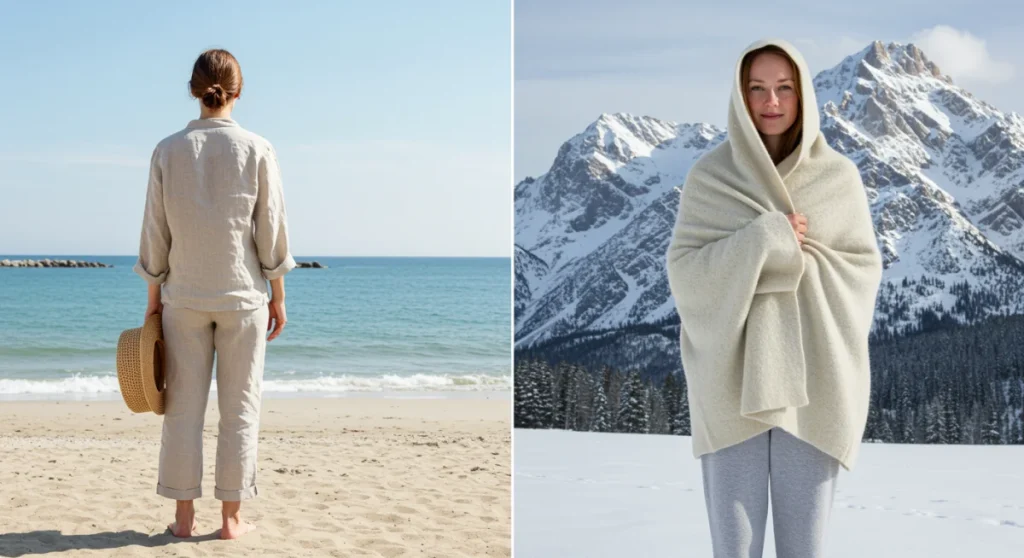
Understanding the distinct properties of various materials is crucial for selecting the right fabrics to ensure optimal comfort and style, whether facing summer heat or winter cold.
Navigating the world of textiles can be overwhelming, but mastering your wardrobe begins with understanding fabric. This comprehensive seasonal fabric guide is designed to help you choose the perfect materials for ultimate comfort, whether you’re battling the sweltering heat of summer or embracing the biting chill of winter.
Understanding the Core Principles of Seasonal Fabric Selection
Choosing the right fabric for each season goes beyond just personal preference; it’s about leveraging material science to optimize your comfort. Different fibers possess unique properties that make them inherently better suited for specific environmental conditions. Recognizing these fundamental characteristics is the first step toward building a truly functional and comfortable wardrobe.
The goal is to select fabrics that either facilitate heat dissipation and breathability in warm weather or provide superior insulation and moisture-wicking in cold conditions. This thoughtful approach ensures that your clothing works with your body to regulate temperature, rather than against it.
The Science of Breathability and Insulation
Breathability refers to a fabric’s ability to allow air to circulate through it, helping moisture (sweat) evaporate from the skin. In contrast, insulation describes a fabric’s capacity to trap air, creating a barrier that prevents heat from escaping your body. Both properties are crucial but serve opposing purposes depending on the climate.
- Breathability: Essential for summer, preventing overheating and promoting a cooling effect.
- Insulation: Key for winter, retaining body heat and protecting against cold.
- Moisture-Wicking: Important year-round, moving sweat away from the skin to prevent dampness and chill.
- Drying Time: Faster drying fabrics are beneficial for active wear and unexpected weather changes.
By understanding how these properties interact with your body and the environment, you can make informed decisions that significantly enhance your daily comfort. It’s about more than just aesthetics; it’s about smart dressing.
Summer Fabrics: Staying Cool and Dry
When the temperatures rise, the last thing anyone wants is to feel sticky and overheated. Summer fabrics are specifically chosen for their ability to promote airflow, wick away moisture, and feel light against the skin. These materials are your best allies in combating the summer heat, allowing you to stay comfortable and fresh throughout the day.
The key characteristics for summer wear include excellent breathability, moisture absorption or wicking, and a lightweight feel. Natural fibers often excel in these areas, but certain synthetics have also been engineered to perform well under hot and humid conditions.
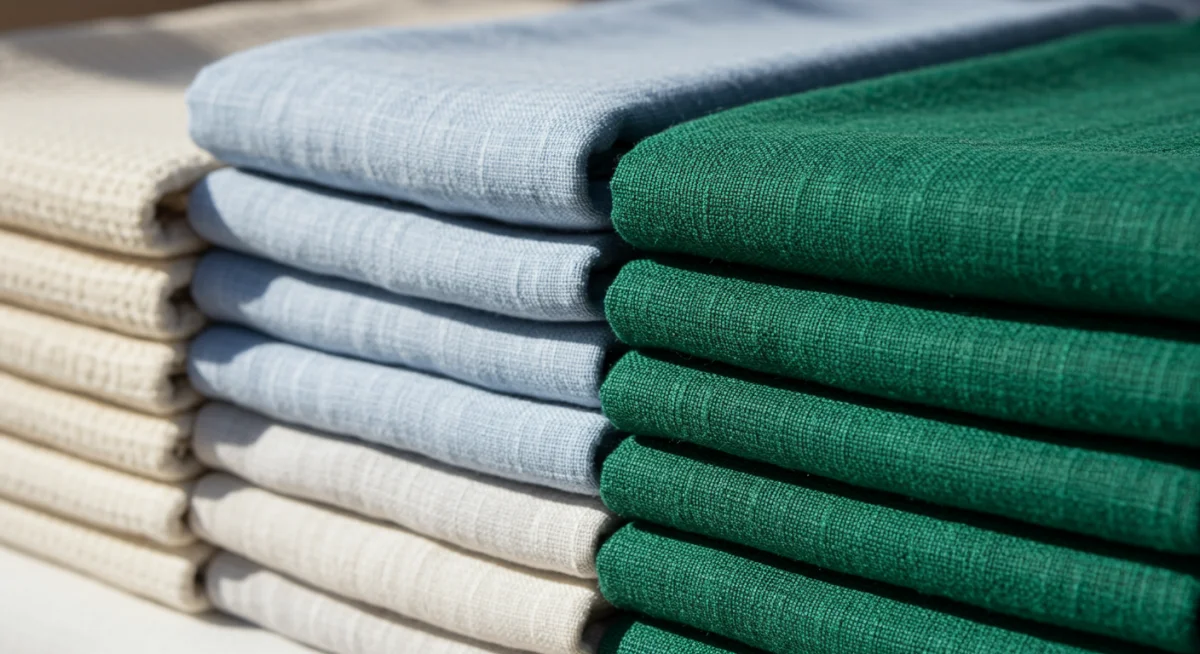
Cotton remains a perennial favorite for summer due to its softness, breathability, and absorbency. It’s a versatile fiber that can be woven into various textures, from crisp poplin to soft jersey, making it suitable for a wide range of warm-weather garments.
Linen: The Epitome of Summer Chic
Linen, derived from the flax plant, is perhaps the ultimate summer fabric. Its unique weave creates a naturally loose structure that allows for exceptional airflow, making it incredibly breathable. Linen also has a remarkable ability to absorb moisture and dry quickly, which helps in keeping you cool and comfortable even in very humid conditions.
- High Breathability: Allows air to circulate freely, preventing heat buildup.
- Moisture Absorbent: Wicks sweat away from the body effectively.
- Quick-Drying: Evaporates moisture rapidly, enhancing comfort.
- Durability: Stronger than cotton, becoming softer with each wash.
While linen is known for its tendency to wrinkle, this characteristic is often embraced as part of its relaxed, natural charm. For those who prefer a crisper look, linen blends can offer a good compromise. Choosing linen pieces can elevate your summer style while ensuring maximum comfort.
Rayon and Tencel: Modern Solutions for Warm Weather
Beyond traditional natural fibers, modern innovations have introduced semi-synthetic and regenerated cellulosic fibers like rayon and Tencel (lyocell). These materials are celebrated for their silky drape, excellent breathability, and moisture-wicking properties, often rivaling or even surpassing those of natural fibers.
Rayon, made from wood pulp, is known for its soft feel and ability to mimic silk, wool, cotton, or linen. It drapes beautifully and is highly absorbent, making it a comfortable choice for summer dresses, blouses, and casual wear. Tencel, a more sustainable variant of lyocell, is even more breathable and moisture-wicking than cotton, with a luxuriously soft texture that’s gentle on sensitive skin. Both fabrics offer stylish and practical options for staying cool when the weather heats up.
In summary, staying cool and dry during summer is achievable by opting for fabrics that prioritize breathability, moisture management, and a lightweight feel. Cotton, linen, rayon, and Tencel stand out as excellent choices for their inherent qualities that combat heat and humidity effectively.
Winter Fabrics: Embracing Warmth and Insulation
As the leaves change and temperatures drop, the focus shifts from cooling to warming. Winter fabrics are designed to trap body heat, provide insulation against the cold, and often offer some degree of water resistance to protect against snow and dampness. Selecting the right winter materials is crucial for staying cozy, protected, and stylish throughout the colder months.
The primary attributes for winter clothing include superior insulation, effective moisture management (to prevent chill from sweat), and often a soft, comfortable feel against the skin. Natural fibers like wool are champions in this category, but advanced synthetics also play a significant role.
Wool: Nature’s Insulator
Wool, particularly merino wool, is an unparalleled winter fabric. Its natural crimp creates tiny air pockets that trap heat, providing exceptional insulation without excessive bulk. Wool is also remarkable for its ability to wick moisture away from the body, keeping you dry and warm even if you perspire. Furthermore, it retains much of its insulating properties even when wet, a critical advantage in snowy or damp conditions.
- Excellent Insulation: Traps air to create a thermal barrier.
- Moisture-Wicking: Moves sweat away from the skin, preventing chill.
- Retains Warmth When Wet: A unique property among natural fibers.
- Odor Resistance: Naturally resists odor-causing bacteria.
Merino wool, known for its fine fibers, offers a softer, less itchy feel compared to traditional wool, making it ideal for base layers and next-to-skin garments. Whether in sweaters, socks, or coats, wool is a timeless and highly effective choice for winter warmth.
Cashmere and Flannel: Luxurious Warmth and Comfort
For those seeking a touch of luxury and supreme softness, cashmere is an exquisite option. Derived from cashmere goats, this fiber is exceptionally fine, light, and incredibly warm. It offers superior insulation without the bulk, making it perfect for elegant sweaters, scarves, and wraps. While more delicate and requiring careful handling, cashmere provides unmatched comfort and warmth.
Flannel, typically made from cotton or wool, is another winter staple. Its characteristic napped surface creates a soft, fuzzy texture that effectively traps air, enhancing its insulating properties. Flannel shirts, pajamas, and linings provide comforting warmth and a classic aesthetic. It’s a durable and cozy choice for casual winter wear.
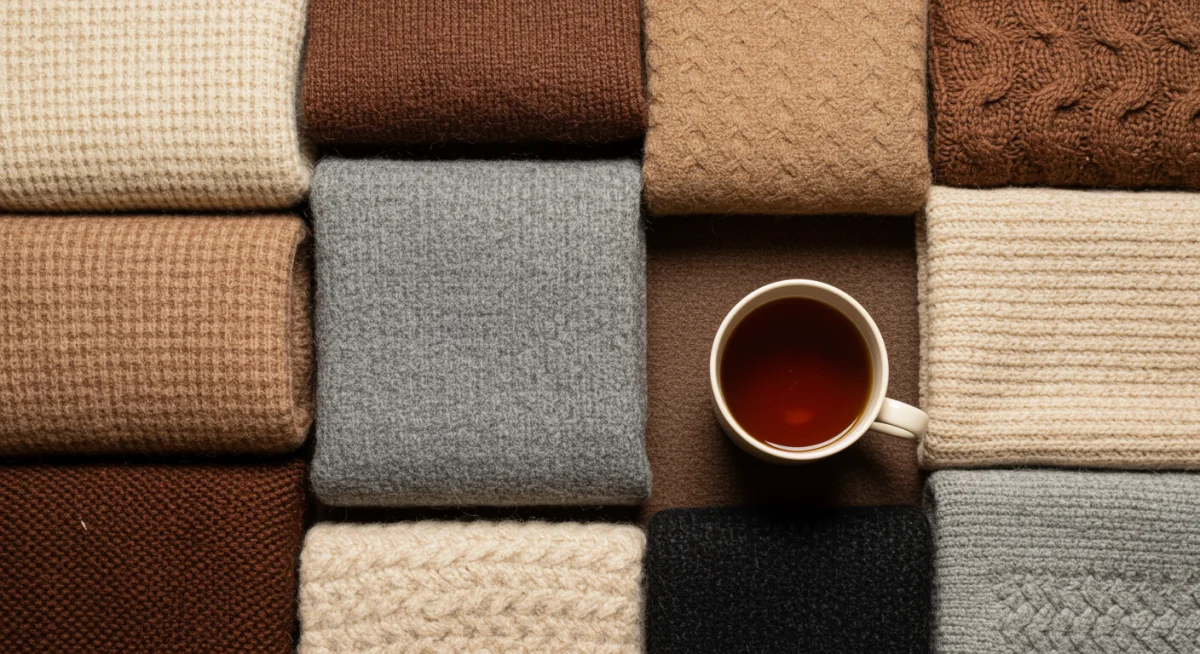
In conclusion, when winter arrives, prioritizing fabrics that offer excellent insulation, moisture management, and a comfortable feel is paramount. Wool, cashmere, and flannel are outstanding choices that provide the necessary warmth and protection to brave the cold in style.
Synthetics for All Seasons: Performance and Versatility
While natural fibers often steal the spotlight, modern synthetic fabrics have carved out a significant niche, offering unparalleled performance and versatility for both summer and winter. These engineered materials are designed with specific functionalities in mind, making them indispensable for active lifestyles and challenging weather conditions.
Synthetics often excel in areas like moisture management, durability, and quick-drying capabilities, making them excellent companions when natural fibers might fall short, especially in high-performance or extreme environments.
Polyester: The Workhorse of Modern Textiles
Polyester is arguably the most ubiquitous synthetic fiber, renowned for its strength, wrinkle resistance, and quick-drying properties. In summer, lightweight polyester blends are used in activewear for their superior moisture-wicking ability, drawing sweat away from the skin to evaporate quickly. This keeps you feeling dry and cool during workouts or humid days.
For winter, polyester fleece provides excellent insulation due to its ability to trap air effectively. It’s lightweight, soft, and maintains warmth even when damp, making it a popular choice for mid-layers, jackets, and blankets. Its versatility makes it a go-to for many wardrobe staples, proving its worth across seasons.
Nylon: Durable and Protective
Nylon is another highly durable synthetic fiber known for its strength, elasticity, and resistance to abrasion. In summer, lightweight nylon fabrics are used for swimwear and activewear because of their quick-drying nature and resistance to water. They also offer a degree of UV protection, which is beneficial for outdoor activities.
During winter, nylon’s water-resistant properties make it an excellent choice for outer shells in jackets and snow pants. It provides a barrier against wind, rain, and snow, keeping the wearer dry and protected from the elements. Many technical garments utilize nylon for its robust performance in harsh conditions.
The advancements in synthetic fabric technology mean that these materials can offer targeted benefits that complement or even outperform natural fibers in specific situations. Their ability to manage moisture, provide durability, and offer quick-drying solutions makes them a smart choice for a well-rounded, multi-seasonal wardrobe.
Blends and Layering: The Art of Versatile Dressing
Rarely does one fabric fulfill all needs, especially with fluctuating temperatures. This is where fabric blends and the strategic art of layering come into play. Combining different fibers can create materials with enhanced properties, offering the best of both worlds. Similarly, layering allows you to adapt your clothing to various activities and changing weather conditions throughout the day.
Understanding how to effectively blend and layer garments is a cornerstone of comfortable, practical, and stylish dressing for any season. It provides flexibility and maximizes the utility of your existing wardrobe.
The Benefits of Fabric Blends
Fabric blends combine two or more different fibers to achieve desired characteristics that a single fiber might lack. For example, a cotton-polyester blend might offer the breathability of cotton with the wrinkle resistance and quick-drying properties of polyester. This creates a fabric that is comfortable, easy to care for, and versatile.
- Enhanced Performance: Combines strengths of different fibers (e.g., warmth of wool, softness of silk).
- Improved Durability: Blends can be stronger and more resistant to wear and tear.
- Better Comfort: Can create fabrics that are softer, more flexible, or less prone to shrinking.
- Cost-Effectiveness: Blending expensive fibers with more affordable ones can reduce costs.
Common blends include cotton-linen for summer (less wrinkling than pure linen), wool-silk for winter (added warmth and softness), and various natural-synthetic blends for activewear that balances breathability with durability and stretch.
Mastering the Art of Layering
Layering is a fundamental strategy for seasonal fabric management, especially during transitional periods or when facing widely varying temperatures. It involves wearing multiple thin layers of clothing that can be added or removed as needed to adjust your body temperature.
A typical layering system consists of three main components:
- Base Layer: Wicks moisture away from the skin (e.g., merino wool, synthetic thermals).
- Mid-Layer: Provides insulation (e.g., fleece, down vest, wool sweater).
- Outer Layer: Protects against wind, rain, or snow (e.g., waterproof jacket, windbreaker).
By effectively combining blends and utilizing a smart layering system, you can ensure optimal comfort and adaptability, making your wardrobe truly versatile for any season or activity.
Caring for Your Seasonal Fabrics: Longevity and Performance
Understanding how to properly care for your garments is just as important as choosing the right fabrics. Proper care ensures the longevity of your clothing and helps maintain its performance characteristics, whether it’s the breathability of your summer linen or the insulating power of your winter wool.
Different fibers require different approaches to washing, drying, and storage. Ignoring these guidelines can lead to shrinkage, stretching, damage, or a reduction in the fabric’s intended properties.
Best Practices for Summer Fabric Care
Lightweight summer fabrics like cotton and linen generally require straightforward care. Most cotton items can be machine washed in cold or warm water and tumble dried on a low setting. Linen, while durable, benefits from cooler washes and air drying to prevent excessive wrinkling and maintain its structure. Rayon and Tencel often require more delicate handling; checking care labels for specific instructions (e.g., hand wash or gentle cycle) is crucial to prevent damage or shrinkage.
- Cotton: Machine wash cold/warm, tumble dry low.
- Linen: Machine wash cold, air dry or tumble dry very low. Iron while damp for a crisp look.
- Rayon/Tencel: Hand wash or gentle cycle in cold water, hang to dry to prevent stretching or shrinking.
- Synthetics (Polyester/Nylon): Machine wash cold, tumble dry low. Avoid high heat which can damage fibers.
Proper care helps summer fabrics retain their shape, color, and crucial breathability, ensuring they remain effective at keeping you cool and comfortable season after season.
Maintaining Your Winter Wardrobe
Winter fabrics, particularly wool and cashmere, often demand more specialized care due to their delicate nature and unique fiber structures. Wool items, especially merino, can often be hand washed or machine washed on a wool-specific cycle with cold water and a gentle detergent. Laying flat to dry is recommended to prevent stretching and maintain shape. Cashmere usually requires hand washing or professional dry cleaning to preserve its luxurious softness and prevent felting.
Flannel, if cotton-based, can typically be machine washed and dried, though cooler temperatures are always safer. Synthetic fleeces and nylon outerwear are generally very durable and can be machine washed cold, with outerwear often benefiting from specific technical fabric washes to maintain water repellency.
By adhering to these care instructions, you not only extend the life of your garments but also ensure they continue to provide optimal warmth and protection against the winter elements, making your investment worthwhile.
The Environmental Impact of Fabric Choices
Beyond personal comfort and style, the fabrics we choose have a significant environmental footprint. Understanding the sustainability aspects of different materials can guide us toward more eco-conscious wardrobe decisions, contributing to a healthier planet. From water consumption to chemical use and biodegradability, each fiber tells a story of its impact.
As consumers, our choices can drive demand for more sustainable practices within the textile industry, encouraging manufacturers to innovate and adopt greener production methods.
Sustainable Summer Fabric Options
For summer, organic cotton is a more sustainable alternative to conventional cotton, as it’s grown without harmful pesticides and uses less water. Linen is often considered one of the most eco-friendly fibers; flax cultivation requires minimal water and pesticides, and the entire plant can be used, reducing waste. Tencel (lyocell) is another excellent choice, produced in a closed-loop system that recycles water and solvents, making it highly sustainable.
- Organic Cotton: Grown without harmful chemicals, less water intensive.
- Linen: Low water and pesticide use, biodegradable.
- Tencel (Lyocell): Sustainably sourced wood pulp, closed-loop production.
- Hemp: Requires minimal water and no pesticides, highly durable.
Choosing these options helps reduce the environmental burden associated with textile production while still providing the comfort and performance needed for warm weather.
Eco-Conscious Winter Fabric Choices
For winter, focusing on sustainably sourced wool, such as certified Responsible Wool Standard (RWS) merino, ensures animal welfare and land management standards are met. Recycled materials, like recycled polyester (RPET) made from plastic bottles, offer an innovative solution by diverting waste from landfills and reducing the need for virgin petroleum resources. Avoiding excessive dry cleaning, which often uses harsh chemicals, also contributes to a greener approach to winter fabric care.
By making informed decisions about the environmental impact of our clothing, we can build a wardrobe that not only serves our comfort needs but also aligns with our values for a more sustainable future. Every choice, no matter how small, contributes to a larger positive change in the fashion industry.
| Key Point | Brief Description |
|---|---|
| Summer Fabric Focus | Prioritize breathability, moisture-wicking, and lightweight materials like cotton, linen, rayon, and Tencel to stay cool. |
| Winter Fabric Focus | Embrace insulation, warmth retention, and moisture management with wool, cashmere, flannel, and technical synthetics. |
| Synthetics & Blends | Utilize polyester and nylon for durability and specific performance, or blends for combined benefits and versatility. |
| Sustainable Choices | Opt for organic cotton, linen, Tencel, hemp, and recycled materials to reduce environmental impact. |
Frequently Asked Questions About Seasonal Fabrics
For extreme summer heat, prioritize lightweight and highly breathable fabrics. Linen is exceptional due to its open weave and quick-drying properties. Cotton, especially in lighter weaves like voile or lawn, also performs well. Tencel and rayon are excellent modern alternatives, offering superior moisture-wicking and a silky feel.
In freezing winter conditions, fabrics that offer superior insulation are key. Merino wool is highly recommended for its ability to trap air and wick moisture, even when damp. Cashmere provides luxurious warmth without bulk. Flannel and down-filled garments are also excellent choices for maximum insulation and comfort.
Yes, many synthetic fabrics are highly versatile for both seasons. Polyester, for example, is used in moisture-wicking activewear for summer and insulating fleece for winter. Nylon’s quick-drying nature is great for summer swimwear, while its water resistance is perfect for winter outerwear. Their performance capabilities make them valuable year-round.
Layering significantly enhances seasonal comfort by allowing you to adjust your body temperature as needed. A base layer wicks moisture, a mid-layer insulates, and an outer layer protects from elements. This system prevents overheating in summer or chilling in winter, offering adaptability to changing conditions and activity levels.
For a sustainable wardrobe, consider eco-friendly fabrics like organic cotton, which avoids harmful pesticides. Linen and hemp are excellent for their low environmental impact during growth. Tencel (lyocell) is produced in a closed-loop system, minimizing waste. Recycled materials, such as recycled polyester, also contribute to reducing textile waste and resource consumption.
Conclusion
Mastering the art of selecting the appropriate fabrics for each season is fundamental to achieving year-round comfort and style. By understanding the distinct properties of materials like breathable linen for summer and insulating wool for winter, you can make informed choices that optimize your personal comfort. Embracing blends and strategic layering further enhances versatility, allowing your wardrobe to adapt seamlessly to fluctuating temperatures and diverse activities. Ultimately, a thoughtful approach to seasonal fabric choices not only elevates your daily experience but also contributes to a more sustainable and functional fashion journey.
