Shrinkage Secrets: Pre-Washing for Perfect Fit (Up to 5% Reduction)
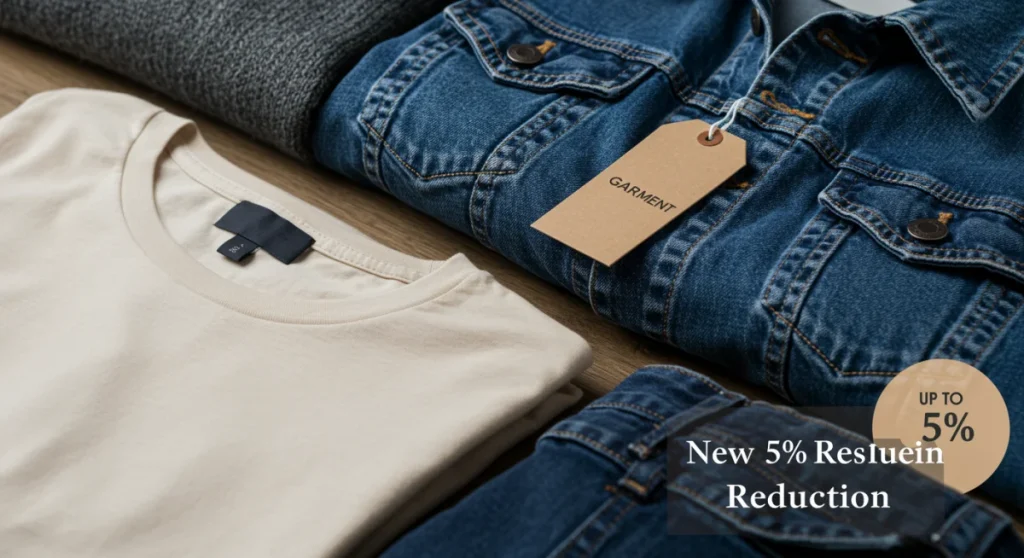
Mastering pre-washing techniques is crucial for controlling garment shrinkage, ensuring your new clothes retain their desired fit and quality for longer, potentially achieving up to a 5% reduction.
Unlocking the mysteries of fabric behavior is essential for any fashion enthusiast. When it comes to maintaining the ideal fit of your new garments, understanding pre-washing clothes shrinkage strategies can make all the difference. This guide will delve into effective techniques to ensure your wardrobe remains just as you intended, potentially achieving up to a 5% reduction where desired.
understanding fabric shrinkage: the science behind it
Fabric shrinkage is a common phenomenon that can be both frustrating and, at times, beneficial. It occurs when fibers in a textile contract, leading to a reduction in the garment’s overall size. This process is primarily influenced by the type of fiber, the fabric’s construction, and the washing and drying conditions.
Natural fibers, such as cotton, linen, and wool, are particularly prone to shrinkage due to their cellular structure. These fibers absorb water, causing them to swell, and then contract as they dry. Synthetic fibers, like polyester and nylon, are generally more stable and less likely to shrink significantly, though they are not entirely immune under extreme conditions. Understanding these fundamental principles is the first step toward effective shrinkage management.
fiber types and their shrinkage tendencies
Different fibers react distinctly to heat and moisture. Knowing these tendencies helps in predicting and controlling shrinkage outcomes.
- Cotton: Highly absorbent and prone to shrinking, especially with hot water and high heat drying. It can shrink up to 10% if not pre-shrunk by the manufacturer.
- Linen: Similar to cotton, linen can shrink, but often less dramatically. It benefits from gentle washing to maintain its integrity.
- Wool: Known for felting and shrinking due to its scaly fibers interlocking when exposed to heat, agitation, and moisture. Cold water and air drying are crucial.
- Rayon/Viscose: A regenerated cellulose fiber that is highly susceptible to shrinkage and distortion when wet.
- Synthetics (Polyester, Nylon, Acrylic): Generally stable, but can experience minimal shrinkage or distortion under very high heat, which can melt or damage the fibers.
The weave or knit of a fabric also plays a role. Loosely woven or knitted fabrics have more room for fibers to contract, making them more susceptible to noticeable shrinkage than tightly woven materials. Recognizing these characteristics allows for informed decisions regarding pre-washing strategies.
In conclusion, the science of fabric shrinkage is rooted in the intrinsic properties of fibers and how they interact with water and heat. By grasping these basics, you gain a significant advantage in preserving the fit and longevity of your new clothing.
reading care labels: your first line of defense
Before any pre-washing strategy can be implemented, the care label on your new garment is your ultimate guide. These small tags contain vital information about the fabric composition, recommended washing temperatures, drying methods, and ironing instructions. Ignoring them can lead to irreversible damage or unexpected shrinkage.
Care labels are standardized internationally, using symbols that convey specific instructions. Familiarizing yourself with these symbols is crucial for proper garment care. They communicate the manufacturer’s recommendations, which are designed to preserve the garment’s quality and fit.
deciphering common care symbols
Understanding what each symbol means can prevent costly mistakes and ensure your pre-washing efforts are successful.
- Wash Tub Symbol: Indicates the maximum washing temperature and cycle type (e.g., normal, permanent press, delicate). A hand in the tub means hand wash only.
- Triangle Symbol: Relates to bleaching instructions. A plain triangle means any bleach, a crossed-out triangle means no bleach.
- Square Symbol: Pertains to drying methods. A circle inside a square is tumble dry, with dots indicating temperature. A horizontal line means flat dry, and a curved line means line dry.
- Iron Symbol: Specifies ironing temperature. Dots indicate low, medium, or high heat. A crossed-out iron means do not iron.
- Circle Symbol: Refers to dry cleaning instructions.
Even if you intend to intentionally shrink an item, the care label provides a baseline. For instance, if a label suggests cold wash and tumble dry low, opting for a warm wash and medium tumble dry might achieve a controlled shrinkage without completely ruining the fabric. However, always proceed with caution and test on an inconspicuous area first if deviating significantly from the label.
In summary, treating the care label as your primary source of information is non-negotiable. It provides the essential framework for any pre-washing strategy, whether you’re aiming to prevent shrinkage or achieve a slight reduction.
controlled shrinkage: targeting a 5% reduction
Sometimes, a garment might be slightly larger than desired, and a controlled shrinkage of up to 5% can achieve that perfect fit. This process requires a delicate balance of heat, moisture, and agitation, tailored to the specific fabric type. The goal is to encourage the fibers to contract without causing damage or excessive distortion.
Achieving a precise 5% reduction is not an exact science, as fabric behavior can vary even within the same material type. However, by understanding the factors that influence shrinkage and applying them systematically, you can significantly increase your chances of success. It’s often a process of gradual adjustment rather than a single drastic measure.
methods for intentional shrinking
Different fabrics respond best to different methods when aiming for a slight reduction. Always start with the least aggressive method and increase intensity gradually.
- Warm Water Wash: For cotton and linen, a wash cycle with warm water (not hot) can initiate mild shrinkage. Avoid very hot water initially, as it can cause excessive shrinkage or damage.
- Medium Heat Tumble Dry: Following a warm wash, tumble drying on a medium heat setting can further encourage shrinkage. Check the garment periodically to monitor the reduction.
- Steam Ironing: For localized shrinkage, especially in areas like seams or cuffs, steam ironing can be effective. The combination of heat and moisture can cause fibers to contract in targeted areas.
- Boiling (Extreme Caution): For very stubborn, natural fibers where a significant reduction is needed, a brief boil can be used. This is a high-risk method and should only be considered for robust fabrics and as a last resort, as it can severely damage delicate items.
Always measure your garment before and after each attempt to track the percentage of shrinkage. This data will help you refine your technique. Remember, it’s easier to shrink a garment slightly more than it is to reverse excessive shrinkage. Patience and precision are key when aiming for that optimal 5% reduction.
To conclude, controlled shrinkage is an art that blends science with careful execution. By incrementally applying heat and moisture, you can fine-tune the fit of your garments, achieving a desired reduction while preserving their quality.

pre-washing strategies for different fabric types
The success of pre-washing hinges on tailoring your approach to the specific fabric type. A one-size-fits-all method can lead to undesirable outcomes, from significant shrinkage to fabric damage. Understanding the unique properties of each material allows for targeted and effective care.
Each fiber reacts differently to water, heat, and agitation. Therefore, a thoughtful pre-washing strategy considers these reactions to either prevent shrinkage or induce it in a controlled manner. This customization is vital for maintaining the garment’s intended shape, texture, and longevity.
specific pre-wash guidelines by material
Here’s how to approach different common fabric types to manage shrinkage effectively:
- Cotton and Denim: For new cotton or denim items you want to keep from shrinking, wash in cold water on a delicate cycle and air dry or tumble dry on low heat. If you want to induce a slight shrinkage (e.g., for jeans that are a bit loose), wash in warm water and tumble dry on medium heat.
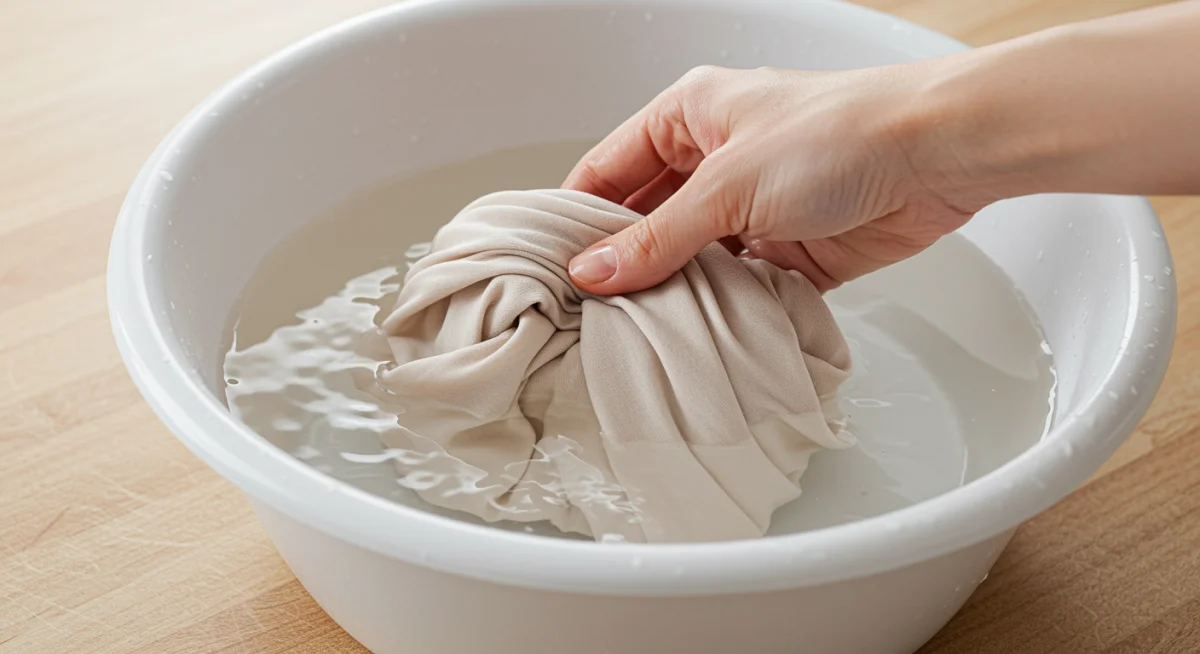
- Wool and Cashmere: These delicate fibers require extreme care to prevent felting and significant shrinkage. Always hand wash in cold water with a wool-specific detergent. Gently squeeze out excess water, do not wring, and lay flat to dry. Never use a machine dryer.
- Rayon/Viscose: These fabrics are notoriously delicate when wet. Hand wash in cold water with minimal agitation. Roll the garment in a towel to absorb excess water, then lay flat or hang to dry away from direct sunlight or heat.
- Silk: Hand wash in cold water with a gentle detergent formulated for delicates. Avoid twisting or wringing. Lay flat to dry or hang on a padded hanger.
- Synthetics (Polyester, Nylon, Spandex blends): Generally stable, these fabrics can be machine washed in cold or warm water on a gentle cycle. Tumble dry on low heat or air dry to preserve elasticity and prevent potential heat damage.
For any fabric, it’s always a good practice to turn garments inside out before washing to protect their surface and color. Using mesh laundry bags for delicate items can also provide an extra layer of protection during machine washing. These tailored approaches ensure that your pre-washing efforts yield the best possible results, preserving the perfect fit of your clothes.
In conclusion, customizing your pre-washing strategy according to fabric type is paramount. By respecting the unique characteristics of each material, you can effectively control shrinkage and extend the life of your garments.
tools and techniques for successful pre-washing
Successful pre-washing isn’t just about knowing fabric types; it also involves utilizing the right tools and techniques. From water temperature to drying methods, each step plays a crucial role in achieving the desired outcome, whether it’s preventing shrinkage or inducing a controlled reduction.
The right approach can save your garments from damage and ensure they fit perfectly. Investing in a few key laundry aids and understanding specific techniques can transform your pre-washing routine from a chore into a precise garment care process.
essential tools and best practices
Equipping yourself with the right tools and knowledge makes pre-washing much more effective and less daunting.
- Reliable Washing Machine: A machine with various cycle options (delicate, hand wash, cold water) gives you more control. Front-loading machines are often gentler than top-loaders with agitators.
- Gentle Detergents: Opt for mild, pH-neutral detergents, especially for delicate fabrics. Wool and silk often benefit from specialized formulas.
- Mesh Laundry Bags: Protect delicate items, embellished garments, or small accessories from snagging, stretching, or tangling during machine washing.
- Measuring Tape: Crucial for tracking changes in garment dimensions before and after pre-washing, especially when aiming for a specific percentage of shrinkage.
- Drying Racks/Flat Surfaces: Essential for air drying delicate items that shouldn’t go into a tumble dryer. Prevents stretching and maintains shape.
When pre-washing, avoid overloading the washing machine, as this can lead to inadequate cleaning and excessive agitation. Always separate colors to prevent dye transfer. For items you wish to shrink, consider using slightly warmer water than recommended on the care label, but always increase temperature gradually and monitor the garment’s reaction.
For preventing shrinkage, cold water and air drying are generally the safest bets for most natural fibers. If tumble drying is necessary, use the lowest heat setting and remove the garment while it’s still slightly damp, then air dry the rest of the way. This minimizes exposure to high heat, which is a primary cause of shrinkage.
In summary, mastering pre-washing involves a combination of appropriate tools and meticulous techniques. By adopting these best practices, you can confidently manage garment shrinkage, ensuring your clothes retain their perfect fit and quality.
common pre-washing mistakes to avoid
Even with the best intentions, pre-washing can go wrong if common mistakes are made. Avoiding these pitfalls is just as important as knowing the correct techniques. A single error can lead to irreversible damage, from excessive shrinkage to fabric distortion, rendering your new garment unwearable.
Many pre-washing errors stem from impatience, lack of attention to detail, or simply not understanding the specific needs of a fabric. By being aware of these common missteps, you can significantly improve your success rate and protect your investment in new clothing.
pitfalls in garment pre-treatment
Be mindful of these common errors to ensure your pre-washing efforts are effective and safe for your clothes.
- Ignoring Care Labels: This is perhaps the biggest mistake. Care labels are not suggestions; they are instructions from the manufacturer based on the garment’s specific materials and construction.
- Using Excessive Heat: High temperatures, both in washing and drying, are the primary culprits for unwanted shrinkage, especially with natural fibers like cotton and wool. Always opt for cooler temperatures first.
- Over-Agitation: Vigorous washing cycles or harsh hand washing can cause fibers to felt (in wool) or stretch and distort (in delicate fabrics like rayon). Gentle cycles are usually best for new items.
- Overloading the Machine: A packed washing machine doesn’t clean effectively and can cause excessive friction and stress on garments, leading to damage or uneven shrinkage.
- Incorrect Drying Methods: Wringing wet clothes, hanging knits that can stretch, or tumble drying delicate items on high heat are common drying mistakes that can alter a garment’s shape and size.
- Not Testing on an Inconspicuous Area: If you’re attempting intentional shrinkage or using a new product, always test on a hidden seam or hem first to see how the fabric reacts before treating the entire garment.
Another common mistake is treating all fabrics the same. What works for a sturdy pair of cotton jeans will likely ruin a delicate silk blouse. Always take a moment to identify the fabric composition and consult the care label before proceeding. Rushing the process or assuming a general approach can lead to disappointment.
In conclusion, vigilance and attention to detail are paramount in pre-washing. By actively avoiding these common mistakes, you ensure that your garments receive the care they deserve, maintaining their perfect fit and extending their lifespan.
maintaining fit after pre-washing: long-term care tips
Once you’ve successfully navigated the pre-washing phase, the journey to maintaining the perfect fit of your clothes continues with consistent long-term care. Pre-washing sets the foundation, but ongoing attention to washing, drying, and storage practices is crucial for preventing future shrinkage and preserving the garment’s shape and integrity.
Effective long-term care ensures that the effort you put into pre-washing isn’t undone by subsequent laundry cycles. It involves adopting sustainable habits that protect your garments from the elements and the wear and tear of regular use, ultimately extending their lifespan and maintaining their desired fit.
post-pre-wash garment maintenance
Integrate these practices into your regular laundry routine to keep your clothes looking and fitting their best.
- Adhere to Care Labels Consistently: After the initial pre-wash, always refer back to the care label for subsequent washes. Treat these instructions as the rulebook for your garment’s longevity.
- Wash in Cold Water: For most garments, cold water washing is the safest option. It minimizes shrinkage, prevents color fading, and is energy-efficient.
- Use Gentle Cycles: Opt for delicate or gentle wash cycles to reduce agitation and stress on fibers, especially for items prone to stretching or distortion.
- Avoid Over-Drying: High heat in tumble dryers is a major enemy of garment fit. Always use the lowest heat setting or, even better, air dry whenever possible. Remove items while slightly damp to prevent over-drying.
- Proper Storage: Store garments correctly to maintain their shape. Fold knitwear to prevent stretching, and use appropriate hangers for woven items. Avoid cramming clothes into tight spaces.
- Address Stains Promptly: Timely stain removal can prevent the need for harsh washing treatments that might impact garment fit or fabric integrity.
Consider hand washing for very delicate items or those you want to preserve meticulously. This provides the most control over water temperature and agitation. When air drying, reshape garments gently before laying them flat or hanging them. This helps them dry in their intended form, preventing unwanted stretching or shrinking.
By integrating these long-term care tips into your routine, you create a comprehensive strategy for garment maintenance. This proactive approach ensures that your clothing not only retains its perfect fit but also continues to look new and vibrant for many years to come.
| Key Point | Brief Description |
|---|---|
| Understand Fabric Types | Different fibers (cotton, wool, synthetics) react uniquely to washing and drying, influencing shrinkage. |
| Read Care Labels | Always consult garment care labels for essential washing, drying, and temperature instructions to prevent damage. |
| Controlled Shrinkage | Use warm water and medium heat drying incrementally to achieve up to a 5% reduction for a better fit. |
| Avoid Common Mistakes | Prevent issues by avoiding excessive heat, over-agitation, and ignoring care label instructions during pre-washing. |
frequently asked questions about pre-washing and shrinkage
New clothes often shrink because natural fibers like cotton or wool are prone to contracting when exposed to heat and moisture during washing and drying. This process reorganizes the fibers, leading to a reduction in garment size, especially if not pre-shrunk by the manufacturer.
No, not all fabrics can be intentionally shrunk. Natural fibers like cotton, linen, and wool are most amenable to controlled shrinkage. Synthetic fibers such as polyester and nylon are generally more stable and may not shrink significantly without risking damage to the material.
The safest way to prevent shrinkage is to wash new garments in cold water on a delicate cycle and air dry them or tumble dry on the lowest heat setting. Always consult the care label for specific instructions, as manufacturers often pre-shrink fabrics.
To achieve a controlled 5% shrinkage, start with a warm water wash and medium heat tumble dry, monitoring the garment’s size. Measure before and after each attempt, gradually increasing heat if needed. Avoid extreme temperatures or harsh cycles to prevent damage.
Yes, pre-washing for intentional shrinkage is strongly discouraged for delicate fabrics like silk, rayon, and some highly structured garments. These materials can easily be damaged, distorted, or suffer irreversible changes in texture and drape with aggressive washing or drying methods.
conclusion
Navigating the world of garment care, especially concerning shrinkage, can seem daunting, but with the right knowledge and techniques, it becomes a manageable art. This comprehensive guide to pre-washing clothes shrinkage strategies has equipped you with the tools to understand, prevent, and even control the fit of your new clothing. From deciphering care labels to applying tailored methods for different fabrics, the emphasis remains on informed and careful action. By consistently applying these principles, you ensure your wardrobe retains its perfect fit and extends its lifespan, allowing you to enjoy your favorite pieces for years to come.
