Extend Your Wardrobe’s Life: Fabric Care Tips for 5+ Years
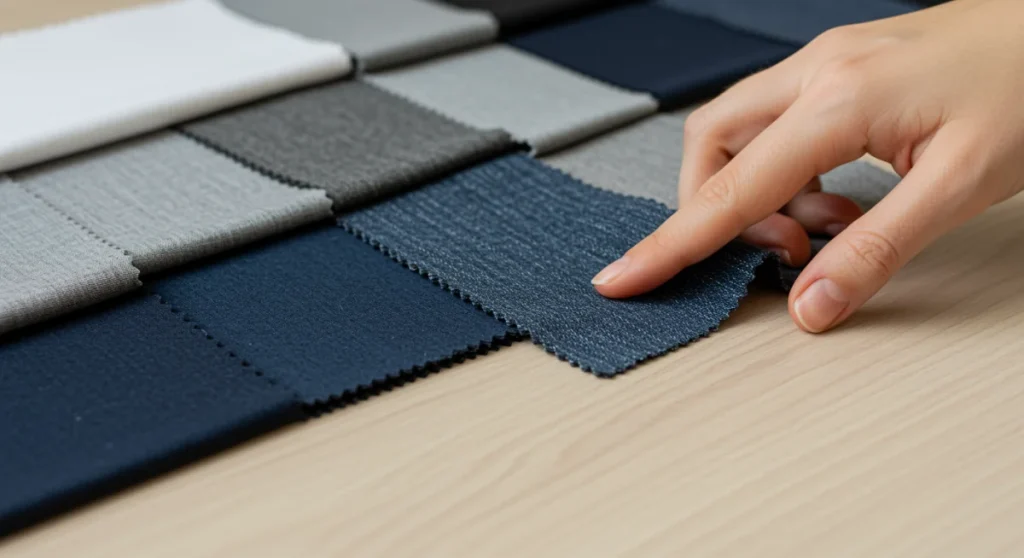
Implementing specific care techniques tailored to different fabrics is crucial for extending your wardrobe’s life, ensuring garments retain their quality and appearance for over five years, promoting sustainable and smart fashion choices.
Have you ever wondered how some garments seem to last forever while others fade after a few washes? The secret lies in understanding fabric care. By adopting the right techniques, you can significantly prolong the lifespan of your clothing, ensuring your favorite pieces remain in pristine condition for years. This guide will delve into specific care tips for different fabrics, helping you master the art of extending your wardrobe’s life beyond five years.
Understanding Fabric Basics: Natural vs. Synthetic Fibers
Before diving into specific care routines, it’s essential to grasp the fundamental differences between natural and synthetic fibers. Each type responds uniquely to washing, drying, and storage, and knowing these distinctions is the first step toward effective garment longevity. Ignoring these basics can lead to premature wear and tear, shrinking, or damage that shortens your clothes’ lifespan considerably.
Natural fibers, derived from plants or animals, often offer breathability and comfort but can be more susceptible to shrinking or damage from harsh chemicals. Synthetic fibers, on the other hand, are man-made, known for their durability, wrinkle resistance, and often faster drying times, but they can be sensitive to heat and prone to static electricity.
The Characteristics of Natural Fibers
Natural fibers like cotton, linen, wool, and silk have unique properties that dictate their care. Cotton, for instance, is robust and absorbent, making it a staple in many wardrobes. However, it can shrink if washed in hot water or tumble-dried on high heat. Linen, known for its strength and breathability, wrinkles easily but becomes softer with each wash.
- Cotton: Durable, breathable, prone to shrinking.
- Linen: Strong, breathable, wrinkles easily, softens over time.
- Wool: Insulating, resilient, can felt and shrink with heat and agitation.
- Silk: Smooth, lustrous, delicate, sensitive to harsh chemicals and direct sunlight.
Understanding these inherent qualities helps you anticipate how each fabric will behave during the care process. Proper handling from the outset can prevent irreversible damage and keep your clothes looking new.
The World of Synthetic Fibers
Synthetic fibers, including polyester, nylon, rayon, and spandex, offer different advantages. Polyester is highly durable, wrinkle-resistant, and quick-drying, making it ideal for activewear. Nylon is strong and elastic, often used in hosiery and swimwear. Rayon, while derived from wood pulp, is processed to mimic natural fibers and requires careful handling due to its tendency to weaken when wet. Spandex, renowned for its elasticity, is often blended with other fibers to add stretch.
- Polyester: Durable, wrinkle-resistant, quick-drying, heat-sensitive.
- Nylon: Strong, elastic, quick-drying, can melt under high heat.
- Rayon: Soft, drapes well, weakens when wet, prone to shrinking.
- Spandex: Highly elastic, maintains shape, sensitive to heat and chlorine.
Knowing the specific properties of synthetic materials ensures you use appropriate washing temperatures and drying methods, preventing common issues like melting, stretching, or loss of elasticity. This foundational knowledge is key to successfully extending the life of your wardrobe, ensuring your garments remain functional and aesthetically pleasing for many years to come.
Cotton and Linen Care: Everyday Essentials for Longevity
Cotton and linen are staples in virtually every wardrobe, beloved for their comfort, breathability, and versatility. However, their everyday nature often leads to neglect in care, inadvertently shortening their lifespan. Proper washing, drying, and storage techniques are crucial for maintaining their integrity and ensuring they last well beyond a few seasons.
These natural fibers, while durable, can be prone to shrinking, fading, or developing a dull appearance if not treated correctly. Simple adjustments to your laundry routine can make a significant difference in preserving their quality and extending the life of your wardrobe.
Washing Cotton and Linen
For most cotton and linen items, a cold water wash is recommended to prevent shrinking and color fading. Always separate light and dark colors to avoid dye transfer. While both fabrics are generally robust, delicate items like fine linen shirts or cotton blends might benefit from a gentle cycle. Turn garments inside out to protect their surface and any embellishments.
- Cold Water Wash: Prevents shrinking and preserves colors.
- Separate Colors: Avoids dye bleeding and maintains vibrancy.
- Gentle Cycle for Delicates: Protects fabric integrity.
- Inside Out Washing: Shields outer surface and embellishments.
Using a mild detergent is also key. Harsh chemicals can strip natural fibers of their strength and vibrancy over time. Opt for eco-friendly or sensitive skin detergents that are free of strong bleaches or optical brighteners for best results.
Drying and Ironing Techniques
When it comes to drying, air-drying is the most gentle method for both cotton and linen. It minimizes shrinkage, reduces energy consumption, and helps preserve the fabric’s structure. If machine drying is necessary, use a low heat setting and remove garments while they are still slightly damp to prevent over-drying and excessive wrinkling. Over-drying can make cotton brittle and linen stiff.
Linen is particularly prone to wrinkling, but paradoxically, it also looks best with a slightly relaxed, natural texture. For a crisper look, iron linen while it’s still damp, using a high heat setting with steam. Cotton can be ironed at a high temperature as well, preferably while slightly damp or with steam. Always check care labels for specific temperature recommendations.
- Air-Drying: Best for preventing shrinkage and preserving fabric.
- Low Heat Tumble Dry: If machine drying, remove when slightly damp.
- Ironing Damp: Eases wrinkle removal for both fabrics.
- High Heat with Steam: Effective for crisp finishes on cotton and linen.
Proper drying and ironing not only ensure your clothes look good but also contribute to their overall longevity by preventing unnecessary stress on the fibers. By adhering to these simple yet effective practices, your cotton and linen garments will remain cherished parts of your wardrobe for many years, proving that everyday essentials can indeed be long-lasting investments.
Delicate Care: Silk and Wool for Lasting Elegance
Silk and wool are luxurious natural fibers known for their exquisite feel, warmth, and drape. However, their delicate nature demands a more nuanced approach to care than everyday cotton. Mishandling these materials can lead to irreversible damage, such as shrinking, felting, or loss of luster. Mastering their specific care requirements is paramount to preserving their elegance and ensuring they remain cherished pieces in your collection for over five years.
These fabrics represent an investment, and proper maintenance not only protects that investment but also upholds the sophisticated aesthetic they bring to your wardrobe. From washing to storage, every step matters for these fine materials.
Washing Silk and Wool
For both silk and wool, hand-washing is often the safest and most recommended method, though some modern washing machines offer specific wool or delicate cycles. Always use cold or lukewarm water and a specialized detergent designed for delicate fabrics, or a mild baby shampoo for silk. Avoid harsh chemicals, bleach, or enzyme-based detergents, which can damage the protein fibers.
- Hand-Washing Preferred: Gentle on delicate fibers.
- Cold/Lukewarm Water: Prevents shrinking and damage.
- Specialized Detergent: Protects protein fibers.
- Avoid Harsh Chemicals: Prevents irreversible damage.
When hand-washing, gently submerge the item and agitate it minimally. For silk, avoid soaking for too long, typically no more than 5 minutes. For wool, gently squeeze the suds through the fabric without rubbing or twisting, which can cause felting.
Drying and Storage for Optimal Preservation
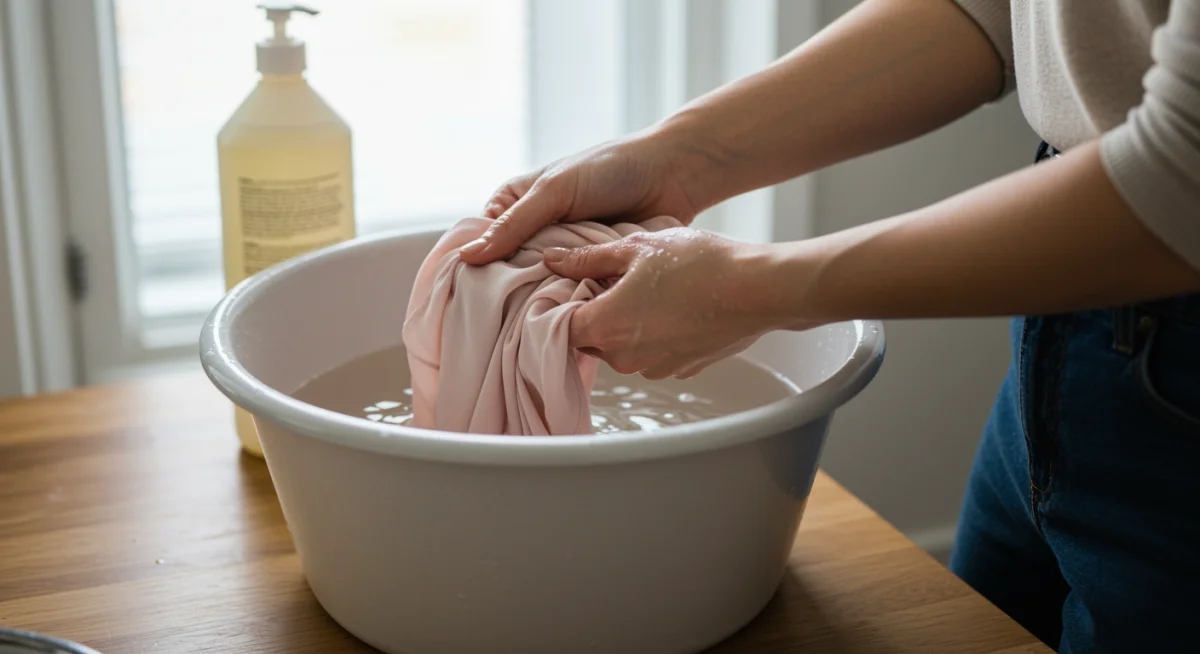
Drying silk and wool requires particular attention to prevent stretching, shrinking, or damage. Never put silk or wool in a tumble dryer, as the high heat and agitation will cause significant shrinkage and damage. Instead, gently roll the item in a clean towel to absorb excess water, then lay it flat on a clean, dry surface or hang it on a padded hanger (for silk, if it’s not too heavy). Avoid direct sunlight or heat sources.
Proper storage is equally vital. Silk should be hung on padded hangers or folded neatly in drawers. Woolens, especially sweaters, should always be folded to prevent stretching and distortion. Store them in breathable garment bags with cedar blocks to deter moths and pests. Ensure items are clean before storing them for extended periods, as dirt and body oils can attract insects.
- No Tumble Drying: Prevents shrinkage and fiber damage.
- Roll in Towel: Gently removes excess water.
- Lay Flat to Dry: Maintains shape for wool.
- Padded Hangers/Folded: Prevents distortion for silk and wool.
- Breathable Storage: Protects from dust and pests.
- Cedar Blocks: Natural moth repellent.
By committing to these detailed care practices, your silk and wool garments will maintain their luxurious feel and appearance for many years, continuing to add a touch of timeless elegance to your wardrobe. This meticulous approach is an investment in the longevity and beauty of your most cherished pieces.
Synthetic Fabrics: Durability Meets Specific Needs
Synthetic fabrics like polyester, nylon, rayon, and spandex are engineered for durability, stretch, and often quick-drying properties, making them popular choices for activewear, outerwear, and everyday garments. While generally robust, they each have specific care requirements that, if overlooked, can lead to fiber damage, loss of elasticity, or a diminished appearance. Understanding these nuances is key to maximizing their lifespan and ensuring they perform as intended for over five years.
The strength of synthetic fibers lies in their engineered nature, but this also means they can react unfavorably to extreme heat or harsh chemicals. Tailoring your care routine to these specific needs will keep your synthetic garments looking and feeling new for longer.
Washing Synthetic Blends
Most synthetic fabrics can be machine washed, but the choice of water temperature is crucial. Cold or lukewarm water is generally recommended to prevent heat damage, especially for polyester and nylon, which can melt or lose their shape under high temperatures. Rayon, being a semi-synthetic, is particularly prone to weakening when wet, so a gentle cycle is a must. For spandex, avoid fabric softeners, as they can break down the elastic fibers over time, reducing its stretch and recovery.
- Cold/Lukewarm Water: Prevents heat damage and maintains fabric integrity.
- Gentle Cycle for Rayon: Protects fibers when wet.
- Avoid Fabric Softeners for Spandex: Preserves elasticity.
- Turn Inside Out: Protects outer surface and prints, especially for activewear.
Using a mild detergent is always a safe bet for synthetics. Avoid harsh bleaches unless specifically indicated on the care label, as they can degrade the fibers and cause discoloration.
Drying and Storage for Synthetics
High heat is the arch-nemesis of many synthetic fabrics. Tumble drying on a low heat setting is acceptable for some polyesters and nylons, but air-drying is always the safest option to prevent shrinkage, damage, and static cling. For rayon, lay flat to dry to maintain its shape, as it can stretch when wet. Spandex blends benefit greatly from air-drying to preserve their elastic properties.
When storing synthetic garments, ensure they are clean and completely dry to prevent mildew and odors. Most synthetics are naturally wrinkle-resistant, so folding or hanging them neatly is sufficient. For activewear, avoid tightly compressing items, as this can trap moisture and lead to unpleasant smells over time. Breathable storage solutions are always preferable.
- Air-Drying Preferred: Prevents heat damage and preserves elasticity.
- Low Heat Tumble Dry (if necessary): For specific polyesters/nylons.
- Lay Flat for Rayon: Prevents stretching.
- Clean and Dry Storage: Prevents mildew and odors.
- Breathable Storage: Especially for activewear.
By paying attention to these specific care instructions, your synthetic garments will continue to offer their intended performance and aesthetic for an extended period. This diligent approach to synthetic fabric care is crucial for extending the life of your wardrobe, ensuring your functional pieces remain reliable and look great for many years.
Denim and Leather: Robust Materials, Specialized Care
Denim and leather are iconic materials known for their durability, timeless appeal, and ability to age beautifully. Unlike other fabrics, they often gain character with wear, but this doesn’t mean they’re immune to damage. Improper care can lead to premature fading, stiffness, cracking, or loss of shape. Mastering the specialized techniques for cleaning, conditioning, and storing these robust materials is essential to ensure they remain staples in your wardrobe for decades, not just years.
These materials require a different approach than typical machine-washable garments. Their care involves less frequent cleaning and more focus on protection and conditioning to preserve their unique qualities.
Caring for Denim
Denim, particularly raw or selvedge denim, benefits from infrequent washing. Many denim enthusiasts recommend washing jeans as little as possible, sometimes only every few months, to allow the fabric to conform to your body and develop unique fades. When washing is necessary, turn jeans inside out, wash in cold water on a gentle cycle, and use a mild detergent. This helps prevent color fading and preserves the integrity of the denim fibers.
- Infrequent Washing: Preserves fades and fabric character.
- Cold Water, Gentle Cycle: Prevents fading and shrinkage.
- Inside Out Washing: Protects outer surface.
- Mild Detergent: Avoids harsh chemical damage.
Drying denim is also crucial. Air-drying is highly recommended to prevent shrinkage and maintain the fit. If using a dryer, use a low heat setting and remove them while slightly damp, then reshape and hang to finish drying. This prevents the denim from becoming stiff and brittle.
Maintaining Leather Goods
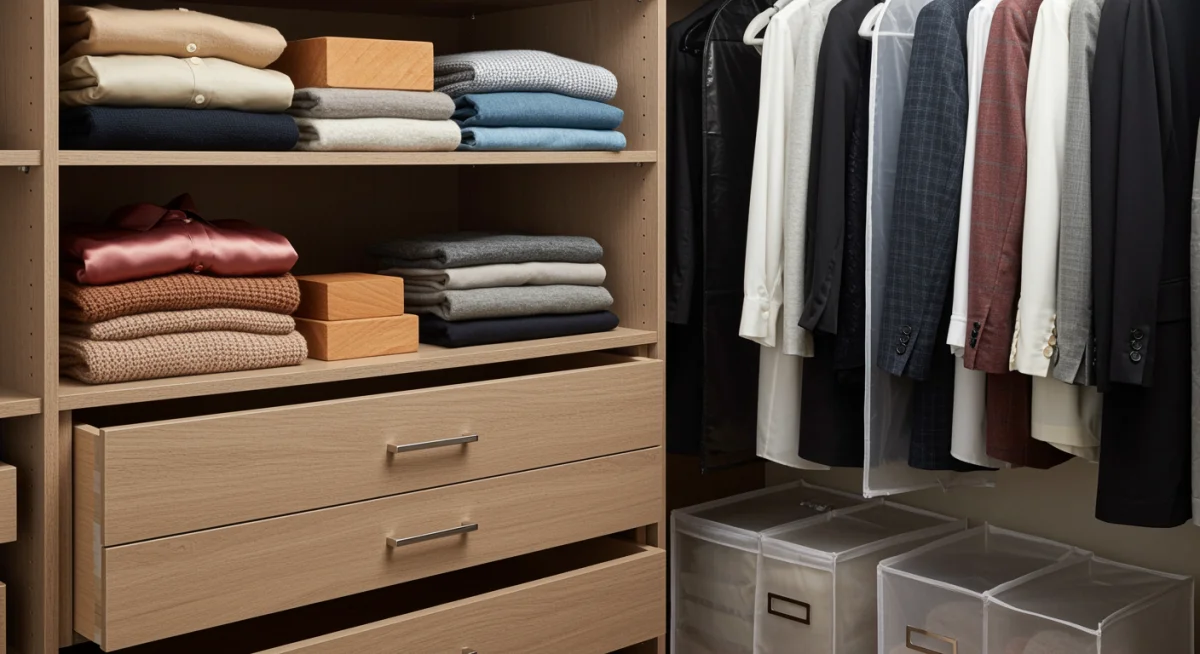
Leather requires regular conditioning to keep it supple and prevent cracking. Clean leather with a damp, soft cloth to remove surface dirt, then apply a high-quality leather conditioner every few months, or more frequently if the item is used often or exposed to dry conditions. Always test conditioners on an inconspicuous area first.
Avoid exposing leather to direct sunlight or extreme heat, which can dry it out and cause fading. If leather gets wet, blot it dry immediately with a clean cloth and allow it to air-dry naturally, away from heat sources. Never use a hairdryer on leather. For storage, hang leather jackets on wide, padded hangers to maintain their shape. Store leather bags stuffed with tissue paper to prevent creasing, and keep all leather items in breathable garment bags, not plastic, to prevent moisture buildup.
- Regular Conditioning: Keeps leather supple and prevents cracking.
- Clean with Damp Cloth: Removes surface dirt.
- Avoid Direct Sunlight/Heat: Prevents drying and fading.
- Air-Dry if Wet: Prevents damage from heat.
- Padded Hangers for Jackets: Maintains shape.
- Stuff Bags for Storage: Prevents creasing.
- Breathable Garment Bags: Prevents moisture buildup.
By providing denim and leather with the specialized attention they demand, you ensure their longevity and enhance their natural beauty as they age. These practices are fundamental to successfully extending the life of your wardrobe, allowing these robust pieces to tell their story for many years to come.
Proactive Measures: Stains, Repairs, and Seasonal Storage
Beyond routine washing and drying, a truly long-lasting wardrobe benefits from proactive measures that address issues before they become permanent. Effective stain removal, timely repairs, and thoughtful seasonal storage are critical components in preserving the quality and extending the life of your garments. Neglecting these aspects can lead to irreparable damage, forcing premature replacement of cherished items.
Adopting a proactive mindset towards clothing care not only saves money in the long run but also promotes a more sustainable approach to fashion. It means investing a little time now to enjoy your clothes for many years.
Effective Stain Removal Techniques
Dealing with stains promptly is perhaps the most crucial step in preventing permanent damage. Different stains require different approaches, but a general rule is to act quickly. Blot, don’t rub, to avoid spreading the stain or embedding it deeper into the fabric. Always test any stain remover on an inconspicuous area first to ensure it doesn’t damage or discolor the fabric.
- Act Quickly: Fresh stains are easier to remove.
- Blot, Don’t Rub: Prevents spreading and deeper penetration.
- Test Removers: Avoids fabric damage or discoloration.
- Specific Treatments: Tailor approach to the stain type (e.g., grease, ink, wine).
For grease stains, a sprinkle of cornstarch or talcum powder can absorb the oil before washing. For wine or berry stains, cold water and a mild detergent often work wonders if treated immediately. Understanding common stain types and their remedies empowers you to save many garments from an early retirement.
Timely Repairs and Alterations
Small snags, loose buttons, or minor tears might seem insignificant, but if left unattended, they can quickly escalate into larger, irreparable damage. Learning basic sewing skills, or having a trusted tailor, can significantly extend the life of your clothes. Reinforcing weak seams, replacing worn elastic, or patching small holes can prevent the need to discard an otherwise perfectly good garment.
Consider alterations to refresh clothes that no longer fit perfectly or feel outdated. A simple hem adjustment, resizing a waist, or tapering a sleeve can transform an old item into a modern favorite, further extending its utility and style quotient. This proactive approach to maintenance ensures your wardrobe remains functional and fashionable.
- Address Small Issues Promptly: Prevents minor damage from worsening.
- Basic Sewing Skills: Fixes loose buttons, minor tears.
- Professional Tailoring: For more complex repairs and alterations.
- Alterations for Fit/Style: Refreshes older garments.
Seasonal Storage Best Practices
Proper seasonal storage is vital for protecting garments from dust, pests, and environmental damage during periods of disuse. Before storing, ensure all items are clean and completely dry to prevent mildew and attract pests. Store natural fibers like wool and silk in breathable garment bags with cedar blocks or lavender sachets to deter moths. Avoid plastic dry-cleaning bags for long-term storage, as they trap moisture and can cause yellowing.
Fold heavy sweaters to prevent stretching and hang delicate blouses on padded hangers. Store clothes in a cool, dry, dark place, away from direct sunlight or extreme temperature fluctuations. This careful approach to seasonal storage ensures your clothes emerge ready to wear, season after season, contributing significantly to extending the life of your wardrobe.
- Clean Before Storing: Prevents mildew and pest attraction.
- Breathable Garment Bags: Protects from dust and allows air circulation.
- Cedar/Lavender: Natural pest deterrents.
- Cool, Dry, Dark Place: Prevents fading, mildew, and fiber degradation.
By incorporating these proactive measures into your routine, you not only preserve the aesthetic and structural integrity of your clothing but also embrace a more mindful and sustainable approach to fashion. Each small effort contributes to a wardrobe that stands the test of time, proving that longevity is a direct result of diligent care.
The Environmental and Economic Benefits of Longevity
Beyond the immediate satisfaction of keeping your favorite clothes looking new, committing to extending the life of your wardrobe offers significant environmental and economic advantages. In an era dominated by fast fashion, embracing longevity is a powerful statement for sustainability and smart financial management. Understanding these broader impacts can reinforce the value of diligent fabric care and conscious consumption.
Every decision, from how you wash a shirt to how you store a coat, contributes to a larger picture of resource conservation and personal savings. This holistic perspective transforms clothing care from a chore into a meaningful practice.
Reducing Environmental Footprint
The fashion industry is a major contributor to environmental degradation, from water consumption in cotton farming to chemical pollution in dyeing processes, and massive textile waste in landfills. By extending the lifespan of your clothes, you directly reduce demand for new production, thereby lessening the environmental burden. Each year you keep a garment out of the landfill represents saved resources, reduced pollution, and a smaller carbon footprint.
- Decreased Production Demand: Lessens resource extraction and manufacturing impact.
- Reduced Waste: Keeps textiles out of landfills, mitigating pollution.
- Lower Carbon Footprint: Fewer new items mean less energy consumed in production and transport.
- Conserved Water: Less demand for water-intensive fiber cultivation.
Choosing quality over quantity and caring for what you own are foundational principles of sustainable fashion. It’s a simple yet effective way for individuals to make a tangible difference against the backdrop of global environmental challenges. This shift from a disposable mindset to one of preservation is crucial for a healthier planet.
Smart Economic Choices
From an economic standpoint, extending the life of your wardrobe is undeniably a smart financial strategy. While high-quality garments might have a higher initial price tag, their longevity translates into a lower cost per wear over time. By investing in durable pieces and maintaining them meticulously, you reduce the frequency of needing to replace items, saving money in the long run.
Consider the cumulative cost of constantly replacing cheaply made clothing versus the one-time investment in a well-made, long-lasting piece. The latter often proves to be more economical. Furthermore, well-maintained clothes retain their value better, offering better resale potential if you choose to part with them.
- Lower Cost Per Wear: High-quality, long-lasting items are more economical over time.
- Reduced Replacement Frequency: Saves money on new purchases.
- Better Resale Value: Well-maintained clothing retains more value.
- Investment in Quality: Shifts spending from disposable to durable.
Embracing a philosophy of clothing longevity is not just about keeping your favorite shirt for another season; it’s about making conscious choices that benefit your wallet and the planet. By diligently applying care tips for different fabrics, you contribute to a more sustainable fashion ecosystem and enjoy the enduring value of a well-preserved wardrobe, ensuring your garments last well past the five-year mark.
Building a Sustainable Wardrobe: Beyond Basic Care
Building a sustainable wardrobe extends beyond merely caring for the clothes you already own; it encompasses conscious purchasing decisions, thoughtful consumption, and an appreciation for the lifecycle of each garment. While proper fabric care is foundational, integrating practices like choosing durable materials, repairing instead of replacing, and supporting ethical brands are vital steps towards a truly sustainable fashion journey. This holistic approach ensures your wardrobe not only lasts longer but also aligns with broader environmental and social values.
A sustainable wardrobe is a dynamic entity, evolving with intentional choices that prioritize longevity, ethical production, and minimal environmental impact. It’s about creating a collection of clothes that you love, that last, and that reflect your values.
Conscious Purchasing and Material Choices
The journey to a long-lasting wardrobe begins long before an item enters your closet. Making conscious purchasing decisions means prioritizing quality over quantity, opting for durable fabrics, and considering the environmental impact of production. Research brands that commit to ethical manufacturing practices and use sustainable materials. Look for certifications that guarantee fair labor and eco-friendly processes.
- Prioritize Quality: Invest in well-made garments designed to last.
- Choose Durable Fabrics: Opt for materials known for longevity.
- Support Ethical Brands: Research companies with sustainable and fair labor practices.
- Consider Material Impact: Understand the environmental footprint of different fibers.
Understanding which fabrics are inherently more durable and sustainable – such as organic cotton, linen, hemp, or recycled synthetics – empowers you to make informed choices. This initial step of buying better, rather than more, significantly contributes to extending the life of your wardrobe.
Embracing Repair and Upcycling
Instead of discarding clothes with minor flaws, embrace the art of repair and upcycling. A small tear can be patched, a loose seam can be re-stitched, and a faded item can be dyed. These acts not only save money but also infuse your garments with personal history and character. Learning basic mending skills or finding a local tailor allows you to give clothes a second, third, or even fourth life.
Upcycling takes this a step further, transforming old garments into new, functional items. An old pair of jeans can become a tote bag, or a worn-out t-shirt can be repurposed into cleaning rags. These creative solutions reduce waste and foster a deeper connection to your belongings, moving away from a disposable culture.
- Repair Before Replacing: Fix minor flaws to extend garment life.
- Learn Basic Mending: Personalize and prolong clothing.
- Utilize Tailors: For more complex repairs and alterations.
- Explore Upcycling: Transform old items into new uses.
Mindful Consumption and Seasonal Refresh
Mindful consumption involves buying only what you truly need and love, resisting impulse purchases, and appreciating the items you already own. Regularly assess your wardrobe, not with an eye to replace, but to understand what you have, what you use, and what might need a little care. A seasonal refresh can involve reorganizing, cleaning, and repairing items, ensuring everything is ready for its next wear. This practice also helps you identify gaps in your wardrobe that genuinely need filling, rather than succumbing to fleeting trends.
This approach fosters a deeper appreciation for your clothing, turning your wardrobe into a curated collection of cherished items rather than a transient accumulation. By building a sustainable wardrobe through conscious choices, diligent care, and mindful consumption, you contribute to a healthier planet and enjoy a collection of clothes that truly stands the test of time, easily lasting over five years and beyond.
| Key Point | Brief Description |
|---|---|
| Fabric-Specific Care | Tailor washing, drying, and storage methods to each fabric type (e.g., cold wash for cotton, hand-wash for silk) to prevent damage and degradation. |
| Proactive Maintenance | Address stains immediately, perform timely repairs, and use proper seasonal storage to prevent minor issues from becoming irreversible damage. |
| Sustainable Practices | Embrace conscious purchasing, repair over replacement, and upcycling to reduce environmental impact and foster a more ethical wardrobe. |
| Economic Benefits | Longer-lasting garments lead to a lower cost per wear, reducing the need for frequent replacements and saving money in the long term. |
Frequently asked questions about extending wardrobe life
Washing frequency depends on the garment and fabric. Outerwear like jackets might need less frequent washing, while underwear and activewear require more. For items like jeans, washing less often (every few months) can preserve their shape and color. Always check care labels and use your judgment based on wear.
Not necessarily. While some premium detergents offer specialized formulas for delicates (e.g., wool and silk), a mild, quality detergent without harsh chemicals or excessive brighteners is often sufficient. The key is to avoid over-dosing and using products that aren’t suitable for specific fabric types.
While effective for certain fabrics, frequent dry cleaning can sometimes be harsh due to the chemicals involved. It’s best to dry clean only when necessary or when the care label specifically recommends it. For some items, professional wet cleaning can be a gentler alternative.
Store clean, dry clothes in a cool, dark, and dry place. Use padded hangers for delicate items and fold heavy knits to prevent stretching. Breathable garment bags are ideal for long-term storage, especially for natural fibers, and cedar blocks deter pests effectively.
To freshen clothes between washes, hang them in a well-ventilated area, use a fabric refreshing spray, or steam them. Steaming not only removes wrinkles but also helps kill odor-causing bacteria. For woolens, airing them out can significantly reduce the need for washing.
Conclusion
Extending your wardrobe’s life is more than just a chore; it’s an investment in your personal style, your finances, and the planet. By understanding the unique needs of different fabrics—from the everyday robustness of cotton to the delicate elegance of silk and wool, and the specialized demands of synthetics, denim, and leather—you empower yourself to make informed care decisions. Proactive measures like timely stain removal, minor repairs, and thoughtful seasonal storage further cement the longevity of your garments. Embracing these practices not only ensures your clothes look their best for well over five years but also promotes a sustainable approach to fashion, reducing waste and fostering a deeper appreciation for the items you own. Ultimately, a well-cared-for wardrobe is a testament to mindful consumption and a commitment to enduring quality.
