Elastane Percentages: Best Fit & Recovery in Apparel
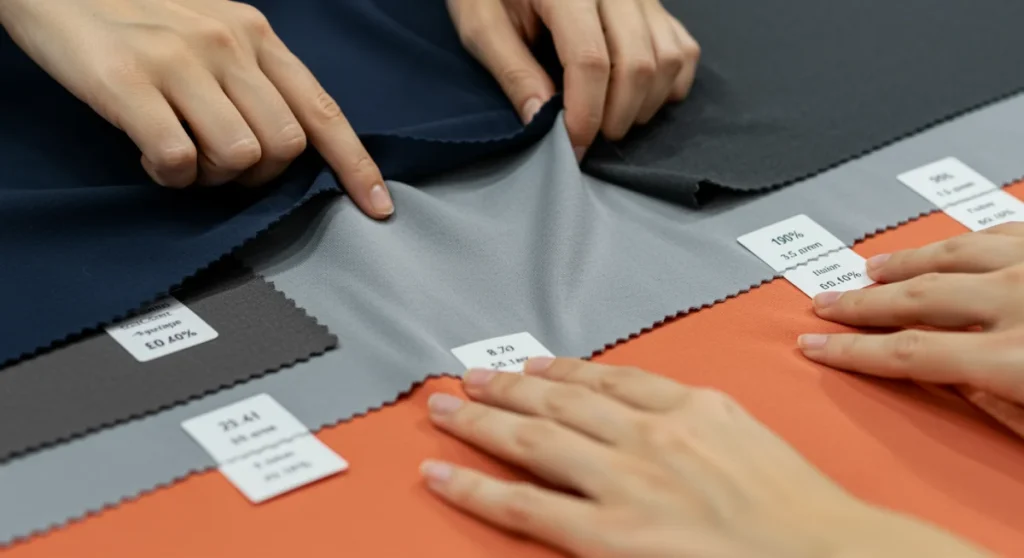
Understanding how different elastane percentages fit into garment construction is key to appreciating their impact on stretch, comfort, and the crucial ability of clothing to recover its shape after wear.
Have you ever wondered what makes some clothes comfortably stretchy while others feel restrictive? The secret often lies in the fabric composition, specifically the amount of elastane (also known as Spandex or Lycra) used. This article, a Stretch Factor Showdown: Comparing Elastane (Spandex) Percentages for Best Fit and Recovery, will delve into the nuanced world of stretch fabrics, helping you understand how varying elastane percentages affect the fit, feel, and longevity of your favorite garments.
The Science Behind Stretch: What is Elastane?
Before we dive into percentages, it’s essential to grasp what elastane is and why it’s so revolutionary in textiles. Elastane, known globally as Spandex in North America and Lycra in other regions, is a synthetic fiber renowned for its exceptional elasticity.
It possesses the unique ability to stretch up to five to eight times its original length and then return to its initial size without losing its form. This incredible property makes it an invaluable addition to a vast array of clothing, from athletic wear to everyday garments, enhancing comfort and fit.
The Chemical Composition and Properties
Elastane is a segmented polyurethane polymer. Its molecular structure is specifically engineered to provide both rigidity and flexibility, allowing for its remarkable stretch and recovery capabilities. This blend of properties is what distinguishes it from other fibers.
- High Elasticity: Can stretch significantly without breaking.
- Excellent Recovery: Returns to its original shape quickly and consistently.
- Durability: Resistant to perspiration, oils, detergents, and UV radiation.
- Lightweight: Adds minimal weight to fabrics, maintaining a comfortable feel.
The innovation of elastane transformed the apparel industry, allowing for designs that offer unprecedented freedom of movement and form-fitting aesthetics. Understanding its fundamental properties sets the stage for appreciating how different concentrations can dramatically alter a garment’s performance.
In essence, elastane provides the ‘give’ and ‘snap-back’ that modern clothing demands. Without it, many of our favorite comfortable and performance-oriented garments simply wouldn’t exist in their current form. Its unique characteristics are what make the concept of ‘stretch factor’ so critical in fabric selection.
Low Elastane Content: Subtle Stretch and Structure (1-5%)
Garments with a low percentage of elastane, typically ranging from 1% to 5%, are designed to offer a subtle stretch rather than significant elasticity. This small addition of elastane is often found in woven fabrics like denim, cotton twill, or dress shirts, where the primary goal is to enhance comfort and prevent creasing without compromising the fabric’s inherent structure.
The inclusion of just a small amount of elastane can make a substantial difference in wearability. A pair of jeans with 2% elastane, for instance, will feel far more comfortable and less restrictive than a 100% cotton pair, allowing for easier movement and a better fit around the waist and hips.
Applications and Benefits
These lower percentages are ideal for clothing that needs to maintain a more structured appearance while still offering a degree of flexibility. Examples include:
- Denim: Adds comfort and prevents stiffness, allowing for a more forgiving fit.
- Dress Shirts and Blouses: Reduces wrinkling and provides ease of movement, especially across the shoulders and back.
- Chinos and Trousers: Enhances comfort for daily wear, making them less prone to bagging at the knees.
The main benefit here is improved comfort and a slight increase in shape retention. While not designed for high-performance stretch, even a minimal elastane content can significantly improve the wearer’s experience by offering a little ‘give’ where it’s most needed. It prevents garments from feeling rigid or restrictive, making them more suitable for extended wear.
Ultimately, low elastane content is about subtle enhancement. It’s about taking a traditional fabric and giving it a modern upgrade in terms of comfort and resilience, ensuring the garment looks good and feels good throughout the day without significant distortion.
Moderate Elastane Levels: Comfort and Everyday Performance (6-15%)
Moving up the spectrum, fabrics containing a moderate percentage of elastane, generally between 6% and 15%, strike a balance between significant stretch and maintaining a degree of fabric integrity. This range is frequently encountered in activewear, comfortable casual clothing, and some specialized workwear where both flexibility and durability are paramount.
At these levels, elastane contributes noticeably to the fabric’s ability to move with the body, providing enhanced comfort for activities that require a greater range of motion than everyday casual wear. The recovery properties are also more pronounced, helping garments retain their shape even after prolonged use.
Ideal for Active Lifestyles and Form-Fitting Styles
This mid-range elastane content is a sweet spot for many popular apparel items:
- Athletic Tops and T-shirts: Offers good flexibility for workouts without being overly compressive.
- Casual Dresses and Skirts: Provides a comfortable, form-flattering fit that moves with the body.
- Lightweight Leggings: Suitable for yoga or lounging, offering decent stretch and shape retention.
- Swimwear: Ensures a snug fit that stays in place in water while allowing freedom of movement.
Garments with 6-15% elastane are designed to hug the body without feeling constricting. They offer enough stretch to accommodate various body shapes and movements, making them versatile for a range of activities. The recovery is sufficient to prevent common issues like sagging knees or stretched-out waistbands after a few hours of wear, ensuring the garment looks good throughout its lifespan.
The key takeaway for moderate elastane levels is versatility. These fabrics provide a noticeable improvement in comfort and performance over low-elastane options, making them a go-to choice for consumers seeking clothing that adapts to their dynamic daily lives while maintaining a stylish appearance.
High Elastane Content: Maximum Flexibility and Compression (16-30%+)
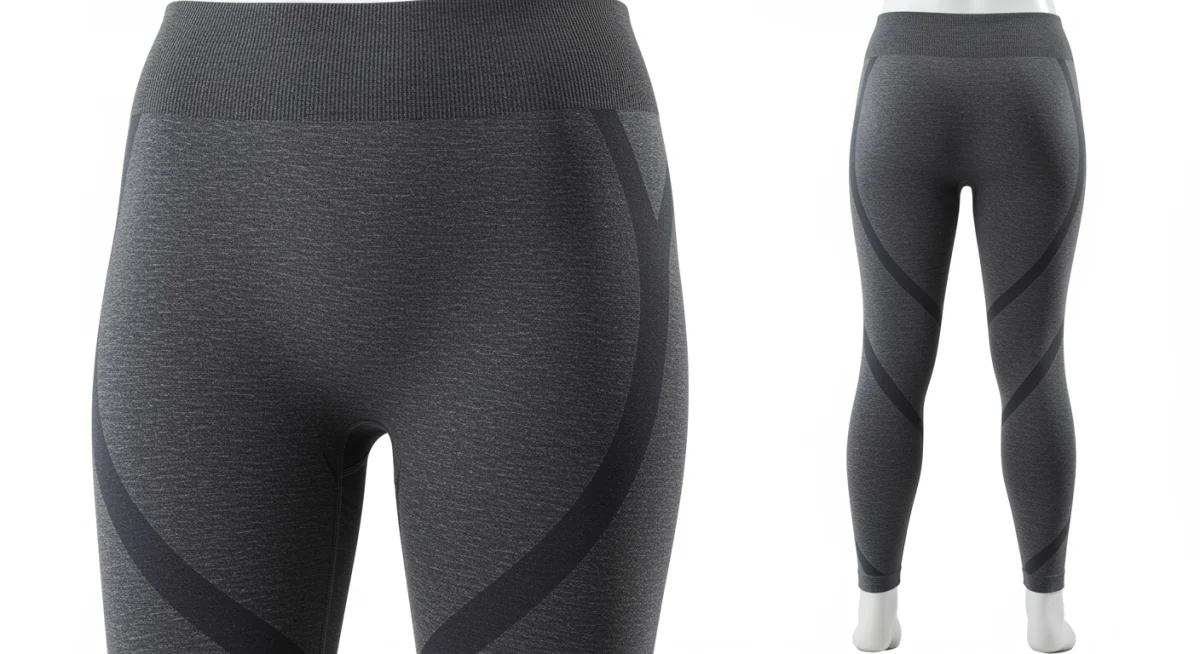
When it comes to achieving maximum flexibility, compression, and superior shape retention, fabrics with high elastane content, typically ranging from 16% to 30% or even higher, are the go-to choice. These fabrics are engineered for performance, often found in specialized athletic wear, shapewear, and garments where a very close, supportive fit is crucial.
At these elevated percentages, elastane dominates the fabric’s behavior, providing an almost second-skin feel. The material will not only stretch extensively but will also exert a significant amount of compression, which can offer muscle support and enhance performance during intense physical activities.
Performance-Driven Applications
High elastane content is indispensable for items where optimal stretch and recovery are non-negotiable:
- High-Performance Leggings: Designed for running, heavy workouts, or cycling, offering muscle compression and support.
- Shapewear: Provides firm control and sculpting, smoothing the silhouette under clothing.
- Compression Garments: Used for medical purposes or post-workout recovery to improve circulation.
- Technical Sportswear: Enhances athletic performance by reducing muscle vibration and improving blood flow.
The high percentage of elastane ensures that these garments not only stretch to accommodate extreme movements but also snap back with remarkable vigor, preventing bagging and maintaining their intended compressive effect. This is particularly vital in sportswear where consistent support and an unhindered range of motion are crucial for peak performance.
While the feel might be tighter and more restrictive than lower elastane blends, this is by design. The goal is to provide a supportive, form-fitting experience that enhances the wearer’s capabilities. Understanding this application helps consumers appreciate why certain high-performance items feel the way they do and why their elastane content is so crucial.
The Impact on Fit, Comfort, and Recovery
The percentage of elastane in a fabric profoundly dictates its fit, comfort, and the crucial aspect of recovery. These three elements are intrinsically linked, and their balance determines the overall wearability and longevity of a garment. A fabric’s ability to stretch and then return to its original form is what prevents it from becoming baggy or distorted over time.
Fit is directly influenced by elasticity; more elastane generally means a closer, more conforming fit. Comfort, however, is a more subjective experience. While stretch can enhance comfort by allowing freedom of movement, excessive compression due to a very high elastane content might feel constrictive to some individuals, depending on the garment’s purpose.
Striking the Right Balance
Achieving the optimal balance requires careful consideration of the garment’s intended use:
- For everyday wear: A lower to moderate elastane content (1-10%) provides sufficient stretch for comfort without feeling overly tight.
- For activewear: Moderate to high elastane (10-25%) is ideal, offering both flexibility and support.
- For shapewear or compression: Very high elastane (25%+) is necessary to achieve the desired level of shaping and support.
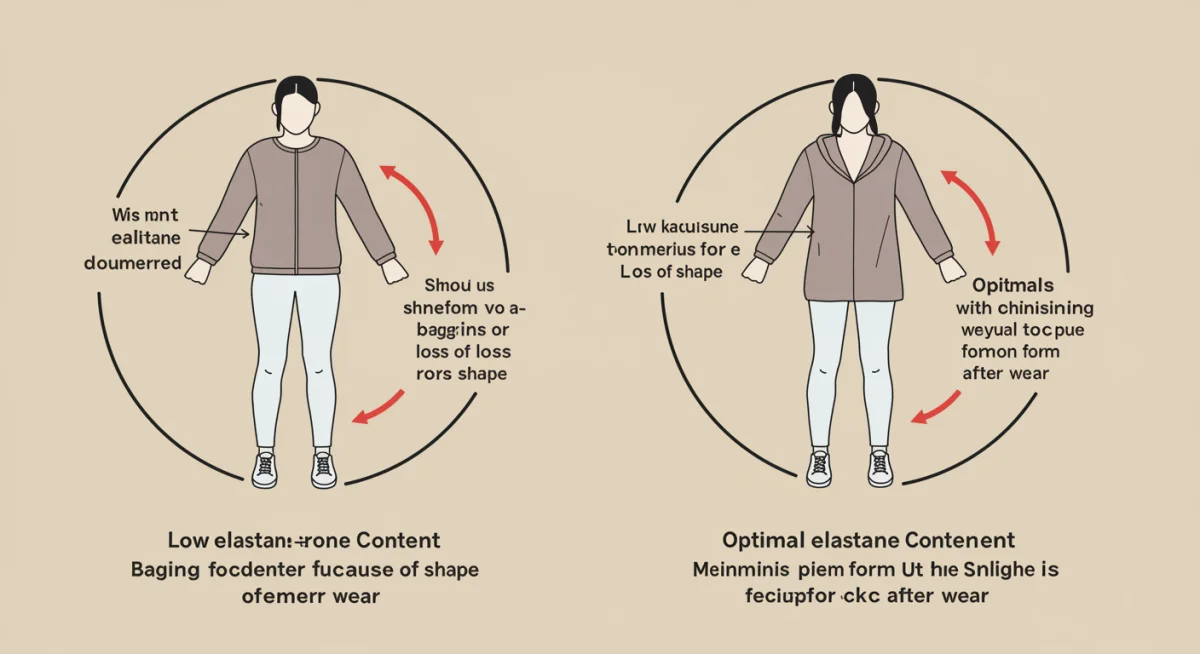
Recovery is perhaps the most critical factor for garment longevity. A fabric with poor recovery will quickly lose its shape, leading to stretched-out knees in pants or a baggy waistband. Elastane’s superior recovery properties ensure that garments maintain their aesthetic and functional integrity wash after wash, extending their lifespan and ensuring a consistent fit.
Ultimately, understanding how elastane percentages affect these factors empowers consumers to make informed choices. It allows them to select clothing that not only fits well and feels comfortable but also retains its shape and performance over time, ensuring a worthwhile investment.
Choosing the Right Elastane Percentage for Your Needs
Selecting the ideal elastane percentage in your clothing isn’t a one-size-fits-all decision; it depends entirely on the garment’s purpose, your personal preferences, and the specific activities you’ll be engaging in. Understanding these nuances can significantly improve your satisfaction with your wardrobe choices.
For example, while a high elastane content might be perfect for yoga pants or compression shorts, it would be entirely inappropriate for a structured blazer. Conversely, a formal shirt with minimal elastane might feel too restrictive for an active lifestyle. It’s about matching the fabric’s properties to the garment’s function.
Consider the Garment’s Function
Before purchasing, always consider:
- Activity Level: High-intensity sports demand more stretch and recovery than casual wear.
- Desired Fit: Do you prefer a relaxed fit with slight give, or a snug, supportive fit?
- Fabric Feel: Some people prefer the soft drape of lower elastane blends, while others value the firm embrace of higher percentages.
- Longevity Expectations: Higher quality elastane blends often offer better recovery and durability over time.
For casual everyday wear, such as t-shirts or casual trousers, an elastane content of 1-5% is often sufficient to add comfort without altering the classic feel of the fabric. For more active pursuits like hiking or cycling, a 5-15% range offers excellent flexibility and retains shape well. When it comes to intense athletic performance, shapewear, or specialized medical garments, percentages upwards of 15% are common, providing the necessary compression and support.
By consciously evaluating these factors, you can make smarter purchasing decisions that align with your lifestyle and comfort preferences. The right elastane percentage ensures your clothing not only looks good but also performs exactly as you need it to, enhancing your overall experience.
Caring for Elastane Blends: Maximizing Longevity
Proper care is crucial for extending the life of garments containing elastane, regardless of their percentage. While elastane is a durable fiber, improper washing and drying techniques can degrade its elastic properties, leading to loss of stretch and recovery. Understanding the best practices will help maintain your clothing’s fit and performance over time.
Heat is particularly detrimental to elastane. High temperatures in washing or drying can break down the polymer chains, causing the fabric to lose its elasticity and become brittle. This often manifests as sagging, bagging, or a general loss of the garment’s original shape, diminishing both its aesthetic appeal and functional benefits.
Best Practices for Maintenance
Follow these guidelines to preserve your elastane-rich garments:
- Cold Water Wash: Always wash in cold water to protect the elastic fibers from heat damage.
- Gentle Cycle: Use a delicate or gentle cycle to minimize stress on the fabric.
- Mild Detergent: Avoid harsh detergents or bleach, which can weaken elastane.
- Air Dry or Low Heat: Whenever possible, air dry garments. If using a dryer, opt for the lowest heat setting and remove items while still slightly damp.
- Avoid Fabric Softeners: Fabric softeners can coat the elastane fibers, reducing their ability to stretch and recover.
By adhering to these care instructions, you can significantly prolong the life of your elastane blended clothing. This ensures that the garment continues to provide the intended fit, comfort, and recovery properties that made you choose it in the first place. A little extra care goes a long way in preserving the stretch factor that elastane so uniquely provides.
Investing time in proper garment care is an investment in your wardrobe. It ensures that your favorite stretchy items remain functional and comfortable, resisting the wear and tear that can prematurely age fabrics with elastane content.
| Elastane Percentage | Impact on Garment |
|---|---|
| 1-5% (Low) | Subtle stretch, enhanced comfort, preserves fabric structure, prevents creasing. Ideal for denim, dress shirts. |
| 6-15% (Moderate) | Good flexibility, comfort for activewear, decent shape retention. Perfect for casual leggings, athletic tops. |
| 16-30%+ (High) | Maximum flexibility, significant compression, superior shape retention. Essential for high-performance activewear, shapewear. |
| Proper Care | Crucial for preserving elasticity and garment longevity. Avoid high heat and harsh detergents to maintain stretch and recovery. |
Frequently Asked Questions About Elastane Percentages
For jeans, an ideal elastane percentage typically ranges from 1% to 3%. This provides enough stretch for comfort and ease of movement without compromising the classic denim feel and structure. It helps prevent stiffness and bagging, ensuring a better fit throughout the day while maintaining the garment’s shape.
Not necessarily. While higher elastane content provides greater stretch and compression, “better” depends on the garment’s intended use. For structured items, too much elastane can make them lose their form. For performance wear, higher percentages are often desired for support and flexibility, indicating quality for that specific function.
Elastane significantly enhances garment recovery, which is the fabric’s ability to return to its original shape after stretching. Higher elastane percentages generally lead to superior recovery, preventing clothes from stretching out, bagging, or losing their form after wear or washing. This is crucial for maintaining fit and longevity.
Yes, especially in higher percentages or if the garment is designed for compression. While elastane offers flexibility, its primary function is to provide stretch and recovery. When combined with a tighter cut, a high elastane content can result in a very snug, almost restrictive feel, which might be uncomfortable for some, depending on personal preference.
While elastane (Spandex/Lycra) is the most common and effective stretch fiber, some brands are exploring alternatives. These include mechanical stretch fabrics (woven in a way that creates stretch without elastic fibers) or bio-based elastic fibers. However, none currently match elastane’s widespread availability, elasticity, and recovery properties.
Conclusion
Navigating the world of fabrics and their compositions can seem daunting, but understanding the role of elastane percentages is a powerful tool for making informed clothing choices. From the subtle give in a pair of everyday jeans to the robust compression in high-performance athletic wear, elastane is a cornerstone of modern textile innovation. By recognizing how different percentages impact fit, comfort, and crucial garment recovery, you can tailor your wardrobe to meet your specific needs and preferences. This knowledge not only enhances your shopping experience but also empowers you to select durable, comfortable, and well-fitting garments that truly stand the test of time.
