Color Theory for Fashion: US Style Guide 2026
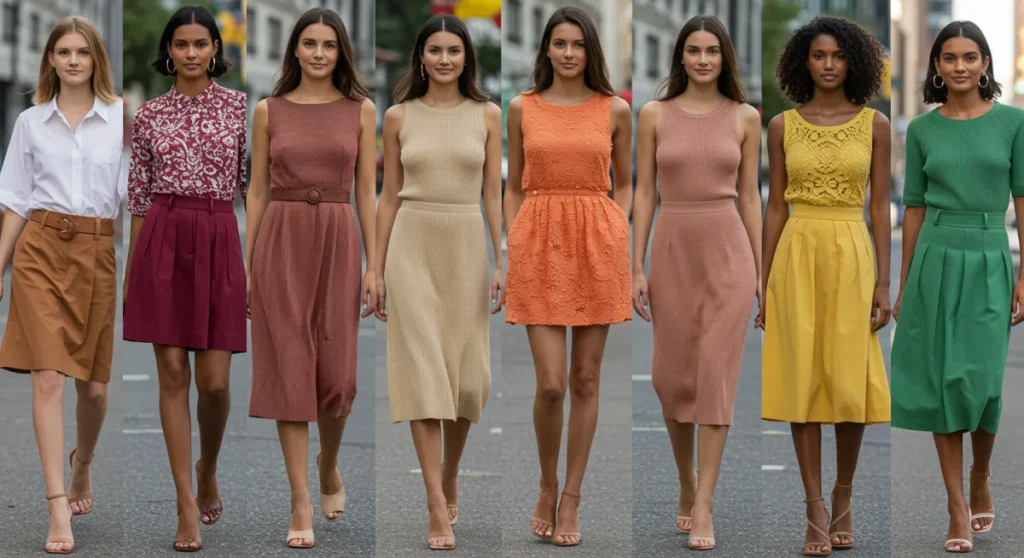
This guide delves into practical color theory for fashion, offering insights for 2026 US trends, helping individuals discover how to effectively complement their unique skin tone, thereby enhancing their wardrobe and personal style with strategic color choices for optimal aesthetic appeal.
Understanding color theory for fashion is not just about following trends; it’s about unlocking your personal style potential. As we move into 2026, the emphasis on individualized aesthetics continues to grow, making a practical guide to complementing your skin tone more relevant than ever for fashion enthusiasts across the US.
The Fundamentals of Color Theory in Fashion
Color theory in fashion is the art and science of using color to create visually appealing outfits that enhance an individual’s natural features. It’s an intricate system that goes beyond simply picking your favorite hue, delving into how different colors interact with each other and, crucially, with your unique complexion. For 2026, this knowledge empowers US consumers to make more intentional and impactful style choices, moving beyond fleeting trends to a more timeless and personalized wardrobe.
At its core, color theory involves understanding the color wheel, primary, secondary, and tertiary colors, as well as concepts like hue, saturation, and value. However, in fashion, its application becomes far more personal, focusing on how these elements harmonize with an individual’s skin tone, hair color, and eye color. The goal is to create an overall impression that is balanced, vibrant, and authentic to the wearer.
Exploring the Color Wheel for Wardrobe Harmony
The color wheel is your foundational tool in fashion color theory. It visually represents the relationships between colors, helping you identify complementary, analogous, and monochromatic schemes. Complementary colors, found directly opposite each other on the wheel (like blue and orange), create high contrast and vibrancy. Analogous colors, next to each other (like blue, blue-green, and green), offer a more harmonious and subtle look. Monochromatic schemes utilize different shades and tints of a single color for a sophisticated, cohesive effect.
- Complementary Colors: Ideal for making a bold statement, drawing attention.
- Analogous Colors: Perfect for creating soft, flowing, and visually pleasing outfits.
- Monochromatic Schemes: Excellent for an elegant, elongated, and sophisticated appearance.
By understanding these basic relationships, you can begin to build outfits that not only look good but also communicate a specific mood or intention. This knowledge is particularly powerful when considering how these color combinations will interact with your personal coloring, making the difference between an outfit that’s merely ‘nice’ and one that truly shines.
In essence, mastering the fundamentals of color theory provides a systematic approach to fashion, enabling you to build a versatile and flattering wardrobe. It’s about making informed decisions that reflect your personality and enhance your natural beauty, ensuring your style remains impactful and relevant through 2026 and beyond.
Identifying Your Skin Tone and Undertone
The cornerstone of applying color theory to your fashion choices is accurately identifying your skin tone and, more importantly, your undertone. Many people mistakenly believe their skin tone is simply light, medium, or dark, but it’s the underlying hue that truly dictates which colors will flatter you most. For US fashion in 2026, personalized styling is key, and understanding your undertone is the first step towards achieving that.
Skin tone refers to the surface color of your skin, which can change due to sun exposure or other factors. Undertone, however, is the subtle hue beneath the surface of your skin that remains constant. There are three main undertones: cool, warm, and neutral. Identifying yours will unlock a world of color possibilities that truly make you glow, rather than wash you out.
The Vein Test: A Simple Method to Discover Your Undertone
One of the most common and reliable methods to determine your undertone is the vein test. In natural light, examine the veins on the inside of your wrist.
- Blue or Purple Veins: You likely have a cool undertone.
- Green Veins: You likely have a warm undertone.
- A Mix of Blue/Purple and Green, or Undecided: You likely have a neutral undertone.
This simple test provides a quick indicator, guiding you towards understanding whether cool or warm shades will be more harmonious with your complexion. Another helpful trick is to consider how your skin reacts to the sun. If you tend to burn easily and then tan, you might have a cool undertone. If you tan easily without much burning, a warm undertone is probable.
Understanding your undertone is a game-changer for your wardrobe. It allows you to select colors that naturally enhance your skin’s radiance, making you look healthier, more vibrant, and more put-together. This foundational knowledge is indispensable for anyone looking to refine their personal style and make smarter fashion investments in 2026.
Cool Undertones: Your Best Color Palettes for 2026
If you’ve identified yourself as having a cool undertone, congratulations! A specific spectrum of colors will naturally harmonize with your skin, making you appear more vibrant and refreshed. For fashion in 2026, embracing these shades means a wardrobe that consistently flatters and elevates your presence, ensuring you always look your best, whether for casual outings or formal events across the US.
Cool undertones typically have hints of blue, pink, or red beneath the skin’s surface. The best colors for cool undertones are those that also have cool bases. Think of the crispness of winter and the refreshing hues of the ocean. These colors will not only complement your skin but also bring out the natural sparkle in your eyes and the richness of your hair.
Ideal Colors for Cool Undertones
When curating your wardrobe, focus on colors that echo the cool tones in your skin. These shades will prevent your complexion from looking sallow or washed out, instead providing a healthy, radiant glow. It’s about creating a cohesive visual story where your clothing and your natural coloring work in perfect synergy.
- Blues: From navy and royal blue to sky blue and turquoise.
- Greens: Emerald, jade, forest green, and cool mint.
- Purples: Lavender, plum, amethyst, and deep violet.
- Pinks: True pink, fuchsia, blush, and rose.
- Cool Reds: Cherry red, ruby, and cranberry (reds with a blue base).
- Neutrals: Pure white, true gray, and black.
These colors will illuminate your complexion, making your features pop. When selecting metals, silver and platinum often look most striking against cool undertones. For makeup, choose foundations with pink or blue bases, and opt for cool-toned eyeshadows and lipsticks. Incorporating these elements into your 2026 fashion strategy will ensure a consistently polished and flattering look.
By consciously choosing colors that align with your cool undertone, you’re not just picking clothes; you’re crafting an image that naturally enhances your best features. This approach to color theory for fashion is about making every outfit a statement of personal harmony and confidence.
Warm Undertones: Your Best Color Palettes for 2026
For those with warm undertones, a distinct array of colors will bring out the natural radiance of your skin, making you appear glowing and vibrant. As we look to 2026 fashion trends in the US, understanding these palettes is crucial for building a wardrobe that consistently flatters your complexion. Warm undertones typically have golden, peachy, or yellow hints beneath the skin’s surface, which beautifully complement rich, earthy, and fiery hues.
The key to dressing with a warm undertone is to select colors that share this warm base. Think of the golden glow of a sunset, the rich warmth of autumn leaves, or the vibrant energy of a summer day. These shades will not only enhance your skin’s natural warmth but will also make your eyes sparkle and your hair appear richer, creating an overall harmonious and inviting look.
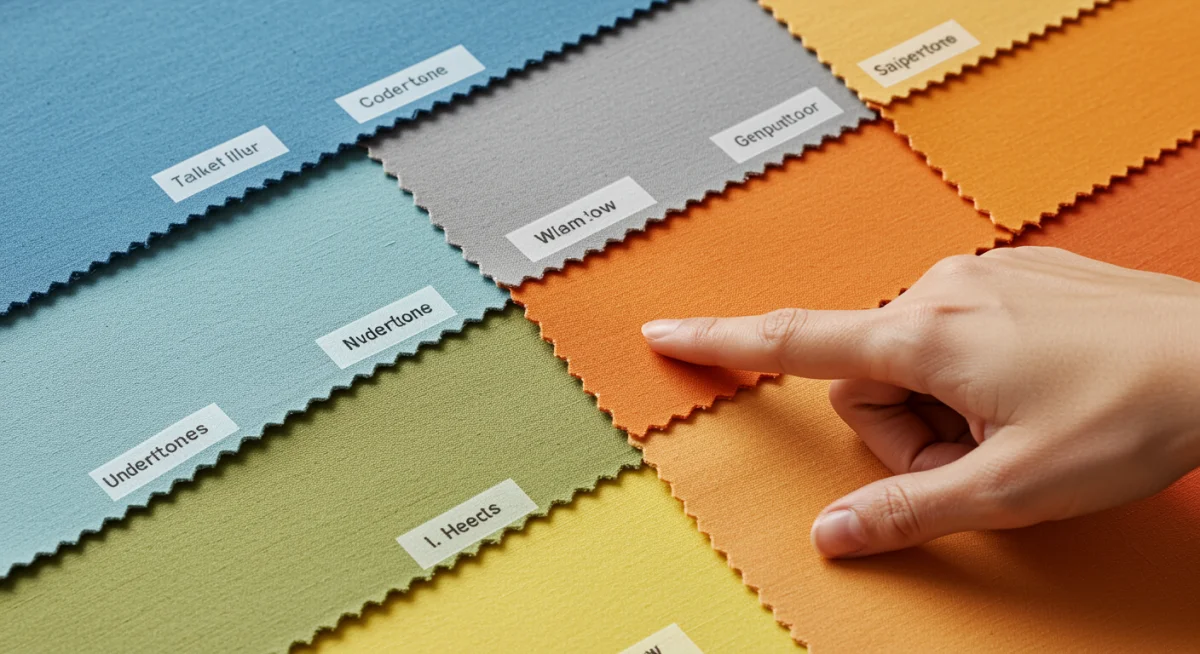
Ideal Colors for Warm Undertones
When curating your wardrobe, gravitate towards colors that resonate with the inherent warmth of your skin. These choices will prevent your complexion from appearing dull or sallow, instead imbuing it with a healthy, sun-kissed glow. It’s about creating a synergy where your clothing choices enhance your natural beauty, rather than competing with it.
- Earth Tones: Olive green, moss green, khaki, and terracotta.
- Yellows: Golden yellow, mustard, buttercup, and amber.
- Oranges: Peach, coral, rust, and burnt orange.
- Neutrals: Cream, ivory, beige, mushroom gray, and chocolate brown.
- Warm Reds: Tomato red, scarlet, and brick red (reds with an orange base).
- Golds: Rich gold, bronze, and copper.
These colors will illuminate your face, bringing out the best in your features. When it comes to accessories, gold jewelry often looks most stunning against warm undertones. For makeup, opt for foundations with yellow or golden bases, and choose warm-toned eyeshadows and lipsticks. Integrating these principles into your 2026 fashion repertoire will ensure a consistently radiant and cohesive aesthetic.
By intentionally selecting colors that align with your warm undertone, you are not merely assembling outfits; you are crafting a personal brand that exudes warmth, confidence, and natural elegance. This application of color theory for fashion is transformative, allowing your true self to shine through your style.
Neutral Undertones: Versatility in Your 2026 Wardrobe
If you possess a neutral undertone, you’re in a uniquely advantageous position when it comes to fashion. Your skin has a balanced mix of both cool and warm hues, meaning you can comfortably wear a vast spectrum of colors without looking washed out or overwhelmed. This versatility offers immense freedom in experimenting with 2026 fashion trends in the US, allowing for a dynamic and adaptable wardrobe that truly reflects your personal style.
Neutral undertones are characterized by a harmonious blend of blue/pink and yellow/golden tones. This balance means your skin doesn’t lean strongly towards either warm or cool, making a wide range of colors equally flattering. The goal is to leverage this versatility to create outfits that are cohesive, impactful, and always enhance your natural glow.
Optimizing Your Color Choices with a Neutral Undertone
While you have the luxury of wearing almost any color, certain shades will still make you look exceptionally radiant. The key is to find colors that maintain a balanced temperature – not too intensely warm or overly cool. This approach ensures that your clothing choices complement your skin’s inherent balance, rather than pulling it in one direction.
- True Reds: A classic, balanced red with no strong orange or blue bias.
- Medium Greens: Sage green, pea green, and balanced olive.
- Teal: A beautiful blend of blue and green, often flattering for neutrals.
- Gray-Blues: Softer blues that aren’t overly vibrant or icy.
- Soft Pinks: Rose, dusty pink, and other muted pinks.
- Neutrals: Taupe, off-white, light beige, charcoal gray, and medium brown.
The beauty of a neutral undertone lies in its flexibility. You can confidently incorporate both cool and warm elements into your outfits. For instance, pairing a cool-toned shirt with warm-toned accessories can create a sophisticated and dynamic look. When choosing metals, both silver and gold can be equally flattering, allowing you to mix and match based on your preference and the specific outfit.
For makeup, neutral-toned foundations are your best bet, and you have the freedom to experiment with both warm and cool eyeshadows and lipsticks. This adaptability makes building a versatile and stylish wardrobe for 2026 an exciting endeavor. By understanding your unique position within color theory for fashion, you can curate a collection of clothes that always makes you feel confident and look effortlessly chic.
Beyond Skin Tone: Hair and Eye Color Considerations
While skin tone and undertone are paramount in applying color theory for fashion, your hair and eye color also play significant roles in determining your most flattering palettes. These elements contribute to your overall personal coloring, creating a holistic picture that informs your best sartorial choices. For 2026, a comprehensive understanding of all these factors will lead to truly integrated and impactful style in the US.
Think of your hair and eye color as additional harmonizing components that can either be enhanced or muted by your clothing choices. A color that might look good with your skin tone could still clash subtly if it doesn’t align with your hair or eye color. The goal is to create a seamless visual flow from head to toe, where every element contributes to a cohesive and attractive appearance.
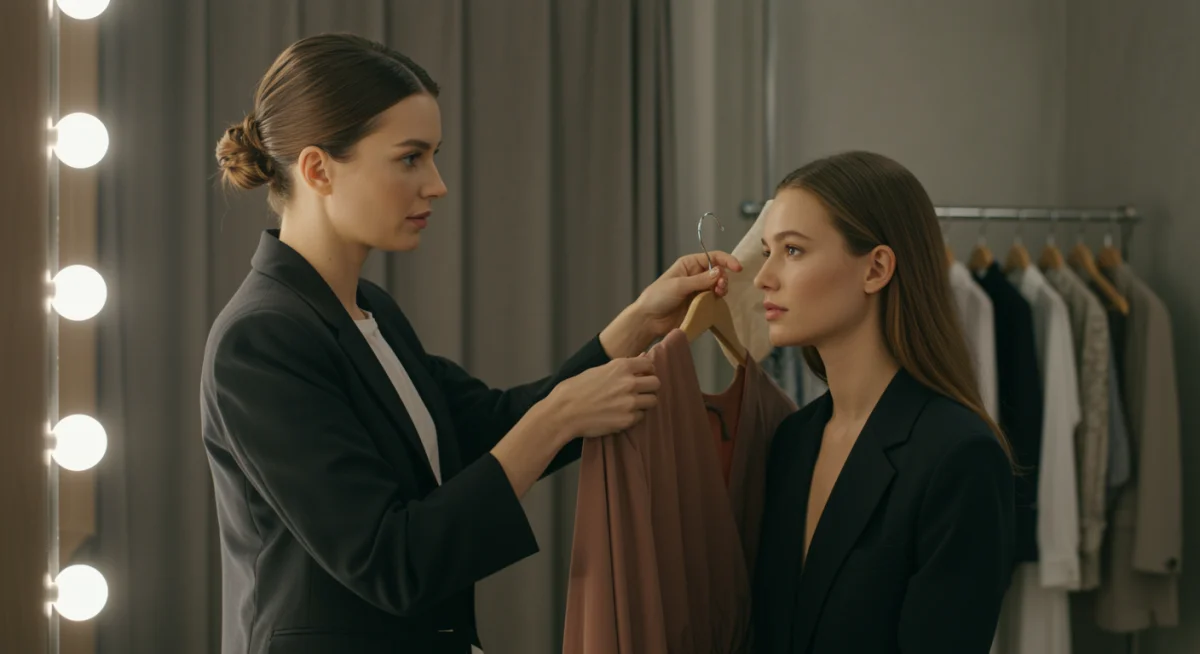
Integrating Hair and Eye Color into Your Palette
Consider the depth and temperature of your hair and eye colors. For example, if you have deep, cool-toned brown hair and bright blue eyes, colors that complement both cool skin and cool hair/eyes will be most effective. Conversely, if you have golden blonde hair and warm hazel eyes, warm-toned clothing will likely be your best bet.
- Hair Color: Dark hair often looks stunning with vibrant, saturated colors, while lighter hair can be beautifully complemented by softer, pastel shades. Red hair typically shines with greens, blues, and warm neutrals.
- Eye Color: Blues eyes can pop with oranges, browns, and warm golds. Green eyes are often enhanced by purples, reds, and deep earth tones. Brown eyes are incredibly versatile and can be accentuated by almost any color, especially blues, greens, and rich jewel tones.
It’s about finding the sweet spot where all your natural attributes come together in a harmonious display. Don’t be afraid to experiment. Hold up different colored garments to your face in natural light, paying attention to how they affect your overall appearance – do your eyes look brighter? Does your hair seem richer? Does your skin look healthier?
By considering your hair and eye color alongside your skin tone, you refine your personal color palette even further. This holistic approach ensures that every outfit you choose in 2026 not only flatters your skin but also brings out the best in your entire natural coloring, creating a truly polished and captivating look.
Practical Application: Building Your 2026 Color Wardrobe
Armed with the knowledge of your skin tone, undertone, and how your hair and eye color play into your personal palette, it’s time to put color theory for fashion into practical application. Building a color-optimized wardrobe for 2026 in the US isn’t about discarding everything you own; it’s about making smarter, more intentional choices when adding new pieces and styling existing ones. This strategic approach ensures every item you wear contributes positively to your overall look.
Start by auditing your current wardrobe. Identify the colors that you already own that align with your personalized palette. These are your foundational pieces. Then, pinpoint the colors that may not be doing you any favors. You don’t necessarily have to get rid of them, but you can learn to style them strategically, perhaps by pairing them with a more flattering color closer to your face, or by using them as accent pieces.
Curating Your Wardrobe with Intentional Color Choices
When shopping for new items, prioritize colors that you know flatter you. This doesn’t mean sticking to a rigid set of hues, but rather understanding the nuances within color families. For example, if you have a warm undertone, you might choose a warm olive green over a cool emerald green, even though both are green. This subtle distinction makes all the difference in how the color interacts with your complexion.
- Invest in Core Neutrals: Build a strong base of neutrals that complement your undertone (e.g., warm neutrals like cream/beige for warm undertones, cool neutrals like true gray/black for cool undertones).
- Strategic Accent Colors: Incorporate your most flattering vibrant colors in pieces worn close to your face, such as blouses, scarves, or statement necklaces.
- Mix and Match with Confidence: Once you understand your palette, mixing and matching becomes intuitive, allowing you to create diverse outfits from a smaller, more effective collection.
Another powerful tip is to use accessories strategically. A scarf in your perfect shade can instantly brighten your face, even if the rest of your outfit is in a less-than-ideal color. Makeup, too, is a powerful tool; choosing lipstick and blush shades that complement your undertone can significantly enhance your overall appearance.
By consciously applying color theory for fashion, you’re not just buying clothes; you’re investing in a more confident and authentic version of yourself. This practical guide for 2026 empowers you to dress with purpose, ensuring every outfit highlights your best features and projects an image of effortless style.
| Key Aspect | Brief Description |
|---|---|
| Skin Undertone | Crucial for determining flattering colors (cool, warm, neutral). |
| Cool Palettes | Blues, purples, emeralds, true grays for cool undertones. |
| Warm Palettes | Earth tones, golden yellows, corals, olive greens for warm undertones. |
| Neutral Versatility | Can wear most colors; balanced true reds, teals, and taupes are ideal. |
Frequently Asked Questions About Color Theory in Fashion
The easiest method is the vein test: check the color of your veins on your inner wrist in natural light. Blue/purple veins indicate cool, green veins suggest warm, and a mix or indecision points to a neutral undertone. Another indicator is how your skin reacts to sun exposure.
Absolutely! Color theory is a guide, not a strict rule. You can incorporate non-flattering colors as accent pieces away from your face, such as in shoes or bags. Alternatively, pair them with a flattering color closer to your complexion to mitigate any washing-out effect.
Hair color adds another layer to your personal palette. For instance, deep, cool-toned hair might pair well with vibrant, saturated cool colors, while golden, warm-toned hair could be enhanced by earthy and warm hues. Consider the overall temperature and depth of your hair.
While true universal colors are rare, some shades are more adaptable across various skin tones. Examples include certain shades of teal, true red (without strong orange or blue bias), and some mid-range purples. Neutrals like charcoal gray or off-white can also be quite versatile.
Begin by identifying your undertone and then sorting your current clothes into ‘flattering’ and ‘less flattering’ piles. Gradually replace or strategically style the less flattering items. Invest in key pieces in your best colors, especially for items worn near your face, like blouses and scarves.
Conclusion
Embracing color theory for fashion is an empowering journey that transforms how you approach your wardrobe. For 2026 in the US, moving beyond generic trends to a personalized understanding of colors that complement your unique skin tone, hair, and eyes is the ultimate style upgrade. This guide has provided you with the tools to identify your undertone, understand your ideal color palettes, and practically apply this knowledge to curate a wardrobe that not only looks fantastic but also makes you feel confident and authentic. By making intentional color choices, you elevate your personal style, ensuring that every outfit you wear truly reflects and enhances your natural beauty.
