Fabric Weight Matters: GSM for Optimal Drape & Comfort
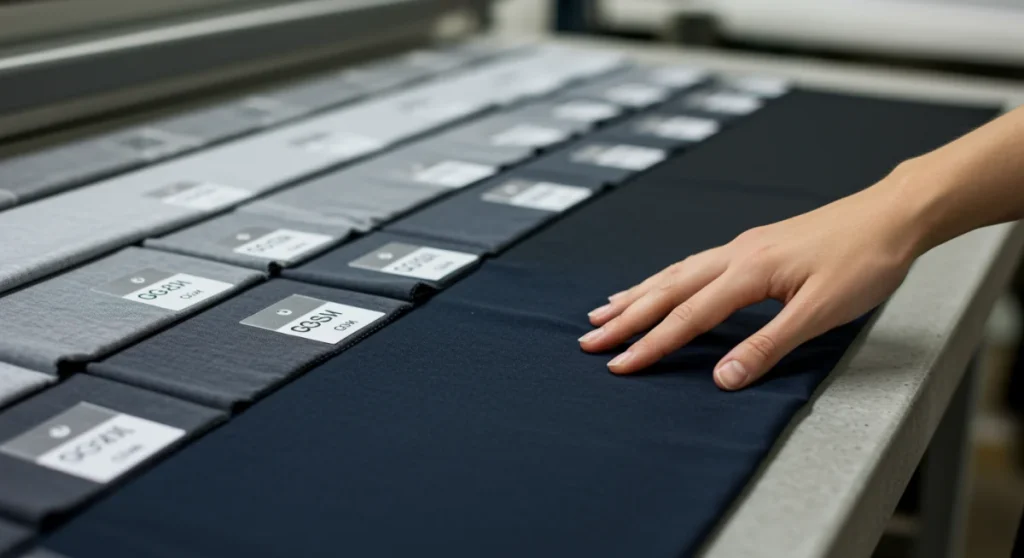
Understanding fabric weight, specifically Grams per Square Meter (GSM), is crucial for discerning clothing quality, comfort, and how a garment will drape, directly impacting your satisfaction with apparel choices.
Have you ever wondered why some garments feel luxurious and hang beautifully, while others feel flimsy or stiff? The answer often lies in one critical, yet frequently overlooked, metric: Grams per Square Meter, or GSM. Understanding how fabric weight GSM influences the drape, comfort, and overall quality of your clothing is essential for making informed fashion choices.
the fundamental role of GSM in textiles
GSM, an acronym for Grams per Square Meter, is a universal measurement used throughout the textile industry to quantify the weight of a fabric. It represents the mass of a fabric in grams for a one-square-meter area. This seemingly simple number holds profound implications for the final product, directly dictating its feel, durability, and suitability for various applications.
Far from being a mere technicality, GSM serves as a critical indicator of a fabric’s density and thickness. A higher GSM generally implies a heavier, denser fabric, while a lower GSM suggests a lighter, more delicate material. This metric is instrumental for manufacturers and consumers alike, guiding decisions from design and production to purchase and usage.
why GSM is more than just a number
The significance of GSM extends beyond basic weight classification. It’s a key determinant of several fundamental fabric characteristics:
- Drape: How a fabric hangs and folds, from fluid and flowing to stiff and structured.
- Durability: Denser fabrics often correlate with greater resistance to wear and tear.
- Opacity: A higher GSM typically means less transparency, which is crucial for modesty in clothing.
- Warmth: Heavier fabrics tend to offer better insulation, making them suitable for colder climates.
In essence, GSM provides a quick and reliable way to gauge many of a fabric’s inherent properties without needing to physically test it. This makes it an invaluable tool in the world of fashion and textiles, influencing everything from the initial fiber selection to the garment’s end-use performance. Recognizing its importance allows for a deeper appreciation of textile quality.
The role of GSM in textiles is foundational, influencing everything from the tactile experience of a garment to its functional performance. It’s a metric that bridges the gap between raw material and finished product, offering clear insights into what one can expect from a particular fabric type.
deciphering fabric drape: how GSM affects flow and structure
One of the most aesthetically significant aspects influenced by GSM is fabric drape. Drape refers to the way a fabric hangs or folds under its own weight, creating either a fluid, flowing silhouette or a more structured, architectural form. The GSM value is a primary predictor of this characteristic, guiding designers and consumers in selecting materials that achieve their desired visual and tactile effects.
Fabrics with a lower GSM, typically ranging from 50 to 150 GSM, are generally lightweight and possess a soft, flowing drape. Think of delicate silks, chiffons, or thin cottons. These materials tend to ripple and move with the body, creating graceful, ethereal silhouettes. They are often chosen for blouses, summer dresses, scarves, and lingerie where a gentle, unrestrictive feel is paramount.
the spectrum of drape: light to heavy
As GSM increases, so does the fabric’s weight and, consequently, its ability to hold a more defined shape. Medium-weight fabrics, usually between 150 and 300 GSM, offer a balanced drape. Cottons suitable for shirting, linen blends, and some lighter wools fall into this category. They provide a good balance between softness and structure, making them versatile for a wide range of apparel, from tailored shirts to casual trousers.
- Low GSM (50-150): Ideal for flowing garments, sheer effects, and soft layers. Examples include voile, chiffon, and lightweight jersey.
- Medium GSM (150-300): Versatile for everyday wear, offering a blend of comfort and structure. Common in poplin, sateen, and some knits.
- High GSM (300+): Best for structured garments, outerwear, and items requiring significant durability. Includes denim, canvas, and heavy wools.
Fabrics with a high GSM, exceeding 300 GSM, are heavy and typically exhibit a very structured drape. Materials like heavy denim, canvas, upholstery fabrics, and thick woolens are prime examples. These fabrics are chosen when stiffness, durability, and a defined form are desired, such as in jackets, coats, and robust trousers. They resist collapsing and maintain their shape, contributing to garments with strong architectural lines.
Ultimately, understanding the relationship between GSM and drape empowers you to select fabrics that not only look good but also perform as intended, whether you’re seeking a garment that floats effortlessly or one that makes a bold, structured statement.
comfort and wearability: GSM’s impact on feel and function
Beyond aesthetics, GSM plays a crucial role in determining the comfort and wearability of a garment. The weight of a fabric directly affects its breathability, insulation properties, and how it feels against the skin, making it a key factor in selecting clothing appropriate for different seasons, activities, and personal preferences.
Lightweight fabrics, characterized by a lower GSM, are often favored for their breathability and soft hand-feel. Materials like fine cottons, modal, and rayon, with GSM values typically below 150, allow air to circulate freely, making them ideal for warm climates or active wear. Their reduced weight minimizes skin contact, preventing overheating and providing a sensation of lightness that enhances overall comfort during extended wear.
seasonal considerations and fabric weight
The choice of GSM is intrinsically linked to seasonal requirements and intended use:
- Summer and warm weather: Opt for low GSM fabrics (e.g., 80-150 GSM) like linen, light cotton, or silk. These promote airflow and moisture wicking, keeping you cool.
- Transitional seasons: Medium GSM fabrics (e.g., 150-250 GSM) such as medium-weight cottons, some knits, or lighter wool blends offer versatility, providing warmth without excessive bulk.
- Winter and cold weather: High GSM fabrics (e.g., 250-500+ GSM) like heavy wool, fleece, or thick denim are excellent insulators, trapping body heat and protecting against the cold.
Conversely, fabrics with a higher GSM provide greater insulation and a more substantial feel. Wool, fleece, and heavy cottons, with GSM values often exceeding 250, are excellent choices for cooler temperatures. Their density helps trap body heat, offering warmth and protection against the elements. While they may feel heavier, this weight often translates to a sense of security and coziness, particularly in outerwear or heavier casual wear.
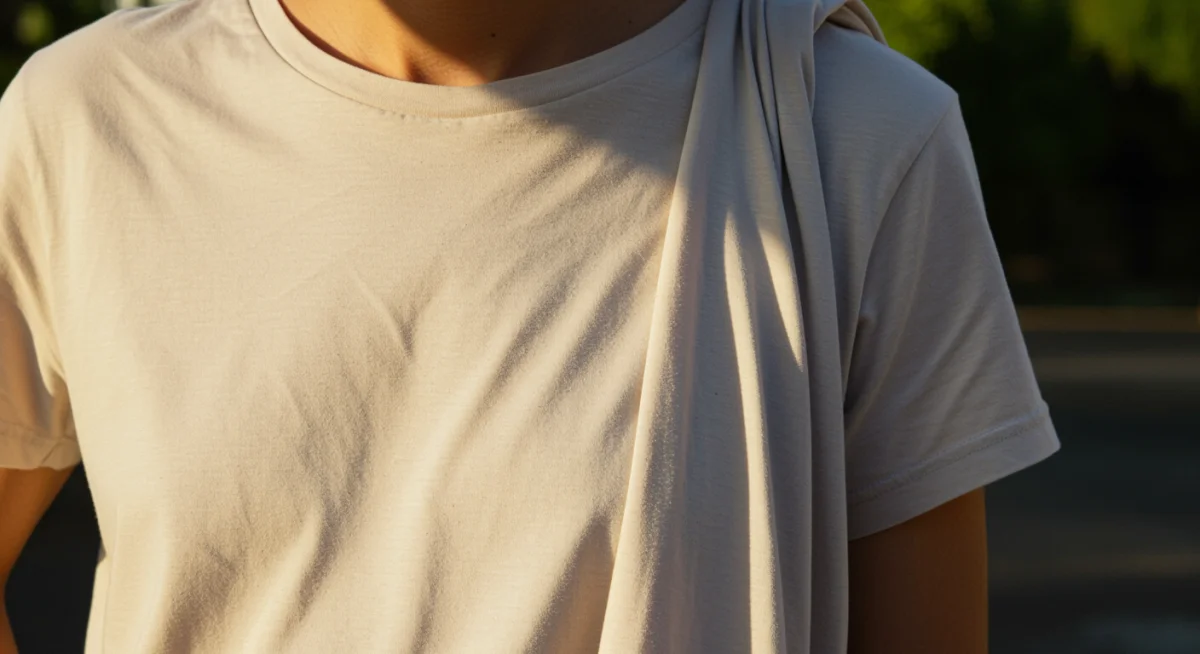
The tactile experience of a fabric, often referred to as its ‘hand,’ is also significantly influenced by GSM. Lighter fabrics tend to be softer and more fluid, while heavier fabrics can range from soft and plush (like fleece) to firm and structured (like canvas). Understanding these nuances allows consumers to make choices that align with their comfort expectations, whether for a soft, gentle touch or a more robust, protective feel.
Ultimately, balancing GSM with fiber composition and weave type is key to achieving optimal comfort and wearability for any given garment, ensuring it performs its functional role while feeling pleasant against the skin.
GSM and durability: a measure of fabric resilience
When assessing the longevity and resilience of a garment, GSM emerges as a critical indicator of durability. While not the sole factor, a fabric’s weight often correlates directly with its ability to withstand wear, tear, and repeated washing cycles. Generally, fabrics with a higher GSM tend to be more robust and durable than their lighter counterparts.
The increased density of high GSM fabrics means there’s more material packed into every square meter. This additional material translates to a stronger, more tightly constructed textile that is less prone to snagging, tearing, and abrasion. For instance, a heavy canvas or denim, with GSM values often exceeding 350, can endure significant stress and friction, making them ideal for workwear, outerwear, and items that require exceptional toughness.
fiber type and weave in conjunction with GSM
It’s important to note that GSM doesn’t act in isolation. The inherent strength of the fiber and the type of weave or knit also play crucial roles in a fabric’s overall durability. However, even with strong fibers, a lower GSM can compromise resilience:
- Cotton: A 100 GSM cotton voile will be far less durable than a 300 GSM cotton twill, despite both being cotton.
- Polyester: A lightweight polyester lining (e.g., 70 GSM) will not have the same tear strength as a heavy polyester outdoor fabric (e.g., 400 GSM).
- Wool: Fine, low GSM merino wool is soft but delicate, whereas a high GSM wool Melton is incredibly hard-wearing.
Conversely, very lightweight fabrics, such as those with a GSM below 100, are inherently more delicate. While they offer superb breathability and drape, they are also more susceptible to damage. Think of sheer silks or fine chiffons; their beauty lies in their fragility. These fabrics require more careful handling and are typically reserved for garments that don’t face strenuous use or frequent washing.
For everyday clothing, particularly items that see frequent use, a medium to high GSM (e.g., 180-300 GSM for t-shirts, 250-400 GSM for trousers) often strikes the best balance between comfort, drape, and durability. This range provides enough substance to resist common wear issues without becoming overly stiff or heavy.
Understanding the interplay between GSM, fiber type, and construction allows consumers to better predict how a garment will hold up over time, ensuring their investment in clothing is both comfortable and long-lasting.
practical applications of GSM in clothing selection
Armed with a deeper understanding of GSM, consumers can make far more informed decisions when selecting clothing. This metric moves beyond mere aesthetics, providing tangible insights into a garment’s functionality, comfort, and longevity. Tailoring your fabric choices based on GSM for specific needs can significantly enhance satisfaction with your wardrobe.
Consider the purpose of the garment. For activewear, a medium GSM fabric (150-250 GSM) that offers a balance of breathability, flexibility, and durability is often ideal. Think of performance jerseys that wick moisture without feeling too flimsy. For a formal suit, a higher GSM wool (300-400+ GSM) will provide the necessary structure, drape, and wrinkle resistance, conveying a sense of quality and sophistication that a lighter fabric simply cannot achieve.
choosing the right GSM for every occasion
The optimal GSM varies greatly depending on the type of clothing and its intended use:
- T-shirts: For basic, comfortable tees, look for 150-200 GSM. For premium, more durable t-shirts, 200-250 GSM is often preferred.
- Hoodies and Sweatshirts: These typically range from 280-400 GSM, providing warmth and structure.
- Dresses and Blouses: Can vary widely, from 60-120 GSM for light, flowing styles to 180-250 GSM for more structured or opaque options.
- Jeans: Denim usually starts around 300 GSM for lighter washes and can go up to 600 GSM or more for heavy-duty raw denim.
When shopping online, where you can’t physically feel the fabric, GSM becomes an even more invaluable piece of information. Many reputable brands and retailers now provide GSM details in their product descriptions. This allows you to compare different items objectively and select those that align with your expectations for drape, comfort, and durability, even before you make a purchase.
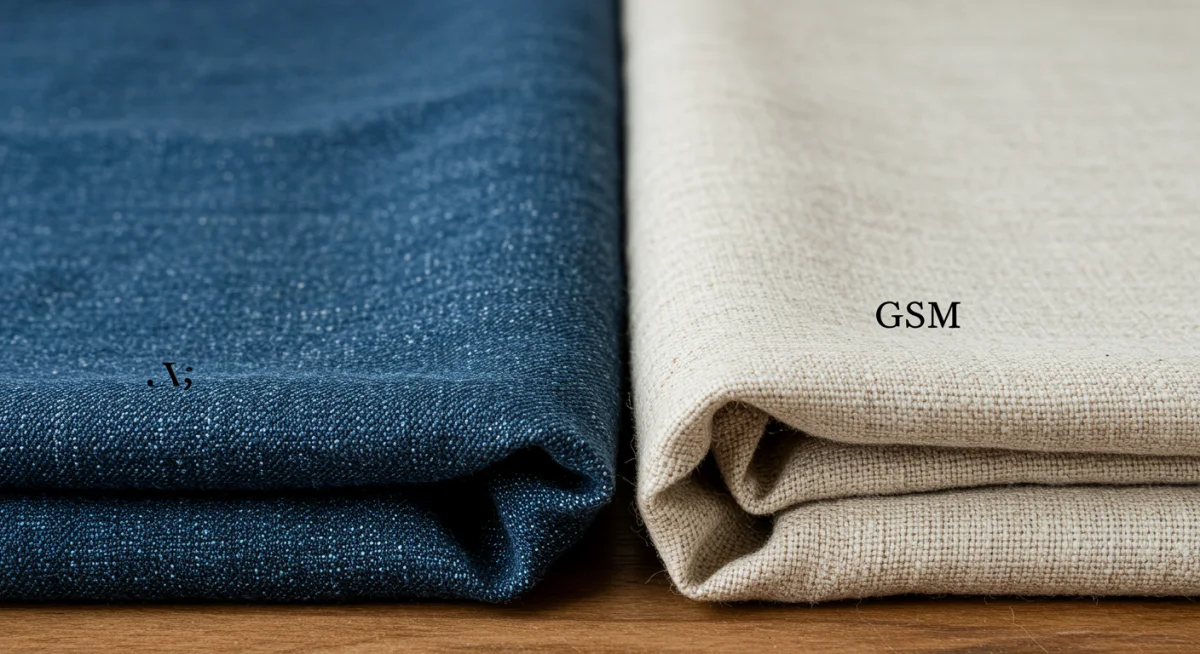
Furthermore, understanding GSM can help you identify quality. While a higher GSM doesn’t always guarantee superior quality (fiber composition and weave are also key), a fabric that feels unexpectedly light or flimsy for its intended purpose often has a lower GSM, which could indicate reduced durability or a less luxurious feel. By integrating GSM into your clothing selection process, you empower yourself to build a wardrobe that is both functional and satisfying.
the interplay of GSM with fiber and weave
While GSM is a powerful indicator of fabric characteristics, it rarely acts in isolation. Its impact is profoundly shaped by the type of fiber used and the specific weave or knit structure of the fabric. A comprehensive understanding requires considering these elements in conjunction with GSM to fully appreciate a fabric’s potential.
Different fibers possess inherent properties that interact uniquely with their weight. For instance, a 200 GSM silk fabric will feel dramatically different from a 200 GSM cotton fabric or a 200 GSM polyester fabric. Silk, being a fine, smooth fiber, will likely have an exquisite drape and a luxurious feel at that GSM, while cotton might feel more crisp, and polyester could be more resilient and robust. The fiber’s natural characteristics—such as its fineness, elasticity, and moisture absorption—all contribute to the final hand and performance of the fabric at a given GSM.
how fiber and weave modify GSM’s effects
The weave or knit structure is equally influential. The way threads are interlaced or looped together dictates much of a fabric’s texture, strength, and air permeability. Here’s how they combine with GSM:
- Plain Weave: A simple, strong weave. At a low GSM, it’s light and airy (e.g., voile). At a high GSM, it’s very durable and dense (e.g., canvas).
- Twill Weave: Creates a diagonal pattern, known for durability and good drape. Denim is a classic twill. A high GSM twill is extremely hard-wearing and structured.
- Knit Fabrics: Looped construction provides stretch and softness. A low GSM knit is lightweight and flowing (e.g., jersey). A high GSM knit is warm and substantial (e.g., fleece, heavy sweater knits).
- Satin Weave: Known for its smooth, lustrous surface and excellent drape. Even at a moderate GSM, satin can feel luxurious due to its smooth finish.
A high GSM in a loosely woven fabric, for example, might still result in a somewhat open structure, offering some breathability, whereas a high GSM in a tightly woven fabric will be much denser and less permeable. Similarly, a low GSM knit fabric will possess more stretch than a low GSM woven fabric, even if both are made from the same fiber.
Therefore, when evaluating a garment, look beyond just the GSM. Consider the fiber content (e.g., cotton, wool, silk, synthetic) and the fabric construction (e.g., plain weave, twill, jersey knit). The synergy between these three elements—GSM, fiber, and weave—is what truly defines a fabric’s character, dictating its drape, comfort, durability, and suitability for various fashion applications.
maintaining your garments: GSM and care instructions
The GSM of a fabric not only influences its initial feel and performance but also plays a significant role in determining its optimal care instructions. Understanding how fabric weight relates to washing, drying, and ironing can help prolong the life of your garments and maintain their aesthetic qualities.
Generally, lighter fabrics (low GSM) tend to be more delicate and require gentler care. Think of fine silks, chiffons, or thin rayon blouses. These materials are prone to snagging, stretching, or shrinking if subjected to harsh machine washing, high heat drying, or aggressive ironing. They often benefit from hand washing, cold water cycles, air drying, or professional dry cleaning to preserve their delicate structure and drape.
tailoring care to fabric weight
Different GSM ranges often imply distinct care requirements:
- Low GSM (Delicate):
- Hand wash or delicate cycle with cold water.
- Air dry flat or on a hanger, away from direct sunlight.
- Low heat ironing, often with a protective cloth.
- Medium GSM (Versatile):
- Machine wash cold or warm, gentle cycle.
- Tumble dry low or air dry.
- Medium heat ironing.
- High GSM (Robust):
- Machine wash cold or warm, regular cycle.
- Tumble dry medium, or air dry to prevent shrinkage in natural fibers.
- High heat ironing, suitable for sturdy materials.
Heavier fabrics (high GSM), such as denim, canvas, or thick woolens, are generally more robust and can withstand more rigorous washing. However, even within this category, specific care is needed. For instance, heavy cottons can be machine washed and tumble dried, but high heat might cause excessive shrinkage. Heavy wools, despite their durability, often require special care (like dry cleaning or very gentle cold washing) to prevent felting and maintain their structure.
The density of high GSM fabrics also means they take longer to dry, both naturally and in a machine. Over-drying can lead to damage, especially to elastic fibers, and excessive energy consumption. Conversely, under-drying can lead to mildew and unpleasant odors.
Always consult the care label on your garments, as it provides the most accurate and fiber-specific instructions. However, having a foundational understanding of how GSM influences these recommendations allows you to interpret those labels more effectively and make informed decisions, ensuring your clothing remains in excellent condition for years to come.
| Key Aspect | GSM Influence |
|---|---|
| Drape | Low GSM: Flowing and soft. High GSM: Structured and stiff. |
| Comfort | Low GSM: Breathable, lightweight. High GSM: Warm, substantial. |
| Durability | Low GSM: More delicate. High GSM: More resilient and robust. |
| Care | Low GSM: Gentle washing, air dry. High GSM: Can withstand more, but check fiber. |
frequently asked questions about fabric GSM
GSM stands for Grams per Square Meter and measures a fabric’s weight. It indicates how many grams a one-square-meter piece of that fabric weighs. This metric is crucial for understanding the density and thickness of textile materials, directly influencing their quality and characteristics.
Low GSM fabrics typically offer a soft, flowing drape and a lightweight feel, ideal for breathable garments. High GSM fabrics provide more structure, a stiffer drape, and a substantial, often warmer, feel, suitable for outerwear or durable items.
Not necessarily. While higher GSM often correlates with greater durability and opacity, “better quality” depends on the garment’s intended use. A lightweight silk (low GSM) is high quality for a delicate scarf, whereas a heavy denim (high GSM) is high quality for durable jeans.
For a comfortable and durable t-shirt, a GSM range of 150 to 250 is generally considered good. Lower values (150-180 GSM) are lighter and more breathable, while higher values (200-250 GSM) offer a more premium feel and increased longevity.
GSM is a strong indicator of warmth, with higher GSM fabrics generally providing more insulation. However, fiber type (e.g., wool is warmer than cotton at the same GSM) and weave also play significant roles. It’s a combination of factors, not just GSM alone.
conclusion
Understanding GSM is more than just textile trivia; it’s a fundamental aspect of making informed fashion choices that align with your needs for drape, comfort, and durability. By recognizing how fabric weight influences these critical characteristics, you empower yourself to select clothing that not only looks good but also performs optimally and feels right for every occasion and season. Incorporating GSM into your vocabulary ensures a more discerning approach to building a wardrobe that truly reflects quality and personal preference.
