Decoding Fabric Blends: 70/30 Cotton-Poly Fit & Feel in 2026
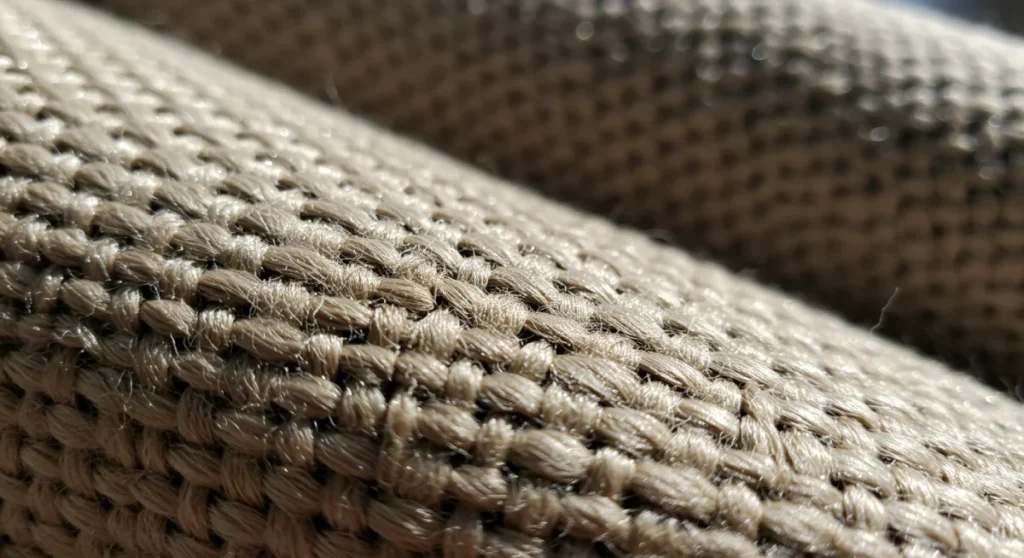
The 70/30 cotton-poly blend, a dominant fabric in 2026, offers a unique balance of comfort, durability, and versatility, significantly influencing how garments fit and feel for consumers.
Have you ever wondered what makes certain clothes feel just right, offering both comfort and resilience? In 2026, understanding fabric compositions is more crucial than ever, especially when it comes to the ubiquitous 70/30 cotton-poly blend. This specific ratio has become a cornerstone in the textile industry, influencing everything from athletic wear to everyday fashion, directly impacting how garments fit, feel, and perform in our daily lives.
The Science Behind the 70/30 Cotton-Poly Blend
The 70/30 cotton-poly blend is a carefully engineered fabric that combines the best characteristics of two distinct fibers: natural cotton and synthetic polyester. This specific ratio isn’t arbitrary; it’s designed to optimize performance and comfort, making it a popular choice across various clothing categories. Understanding the individual properties of each fiber is key to appreciating the synergy created in this blend.
Cotton, a natural fiber, is renowned for its softness, breathability, and excellent moisture absorption. It provides a comfortable, skin-friendly feel, making it a favorite for garments worn close to the body. However, cotton can be prone to wrinkling, shrinkage, and can take a long time to dry, especially when heavily saturated. These characteristics, while appealing in some contexts, can be limiting in others.
The Role of Polyester in Blends
Polyester, on the other hand, is a synthetic fiber celebrated for its strength, durability, and resistance to wrinkles, shrinking, and stretching. It also boasts quick-drying properties and excellent color retention, making it ideal for activewear and garments requiring low maintenance. Its main drawbacks often include a less natural feel and reduced breathability compared to cotton, which can sometimes lead to discomfort in warmer conditions.
- Durability: Polyester significantly enhances the fabric’s lifespan.
- Wrinkle Resistance: Garments maintain a smoother appearance.
- Shape Retention: Clothes are less likely to stretch out or sag.
- Quick Drying: Ideal for active lifestyles and easy care.
When combined in a 70/30 ratio, cotton’s natural comfort and breathability are preserved, while polyester contributes its robust qualities. This balance results in a fabric that is soft yet strong, comfortable yet durable, and easy to care for. The 70% cotton ensures a pleasant feel against the skin and good airflow, while the 30% polyester provides the necessary structural integrity and performance benefits, mitigating cotton’s inherent weaknesses. This intentional blending strategy is why the 70/30 cotton-poly blend continues to be a staple in the textile landscape of 2026.
Impact on Fit: How 70/30 Blend Shapes Garments
The specific composition of the 70/30 cotton-poly blend plays a significant role in how garments fit, offering a unique combination of structure and flexibility. Unlike 100% cotton, which can sometimes stretch out over time or shrink unpredictably, the polyester content in this blend helps to maintain the garment’s original shape and size. This consistency in fit is a major advantage for both manufacturers and consumers in 2026, ensuring that clothes retain their aesthetic and functional integrity through repeated wear and washing.
The 30% polyester component acts as a stabilizing agent, lending a degree of elasticity and resilience to the fabric. This means that shirts, pants, and other apparel made from this blend are less likely to sag or become misshapen after extended wear. It also contributes to better drape, allowing garments to fall smoothly over the body without clinging excessively or appearing stiff. This improved drape enhances the overall aesthetic appeal, giving clothes a more tailored and polished look.
Stretch and Recovery in Blends
While not as stretchy as fabrics with a higher spandex content, the 70/30 blend offers a subtle give that accommodates movement without compromising its form. This is particularly beneficial for activewear or everyday garments where comfort and freedom of movement are essential. The fabric stretches just enough to adapt to the body’s contours, then recovers to its original shape, preventing that stretched-out, worn-out appearance that can plague pure cotton items.
- Consistent Sizing: Reduces shrinkage and stretching for reliable fit.
- Enhanced Drape: Garments hang beautifully, flattering various body types.
- Subtle Flexibility: Allows for comfortable movement without losing shape.
- Long-term Shape Retention: Extends the life and aesthetic of the clothing.
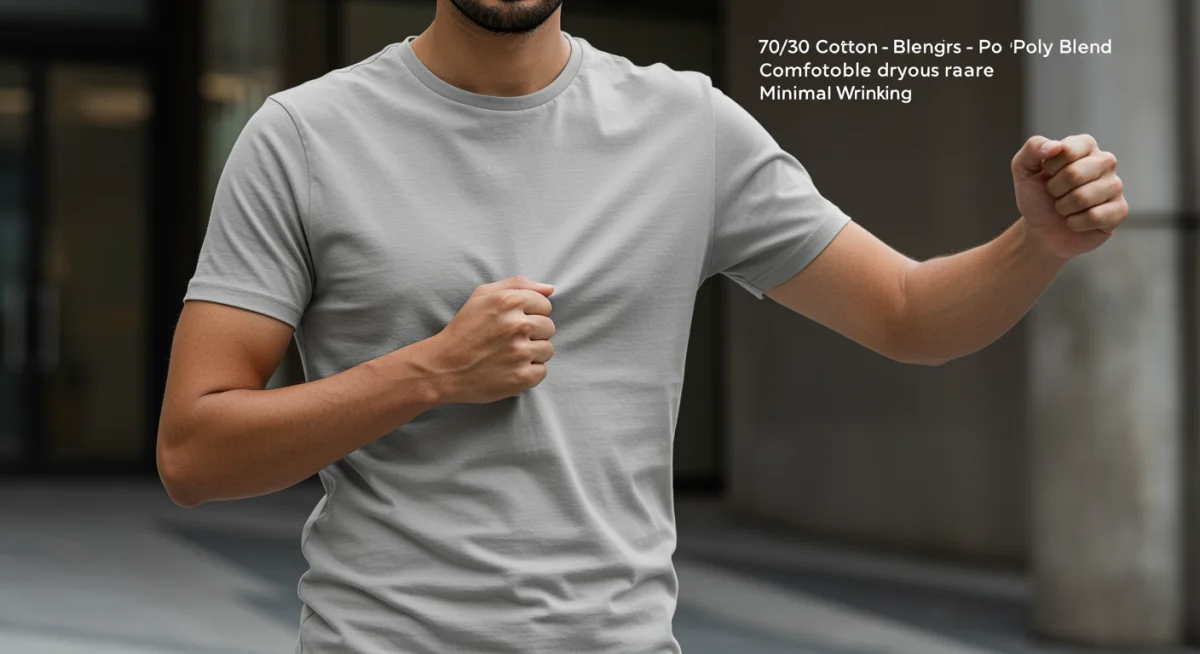
Furthermore, the blend’s resistance to wrinkles means that garments often emerge from the wash looking neater, requiring less ironing or steaming. This low-maintenance aspect directly contributes to the perceived fit, as clothing that looks crisp and well-kept inherently appears to fit better. The controlled shrinkage characteristic also means that a garment purchased in a specific size is more likely to remain that size, providing a consistent and satisfying fit experience for the consumer.
Understanding the Feel: Comfort and Texture of 70/30
The tactile experience of a garment is often as important as its visual appeal, and the 70/30 cotton-poly blend excels in delivering a desirable feel that balances softness with practicality. The dominant 70% cotton content ensures that the fabric retains much of cotton’s characteristic natural softness, making it pleasant against the skin. This is crucial for everyday wear, where comfort is paramount and scratchy or uncomfortable fabrics can quickly deter consumers.
Unlike some higher polyester blends, which can sometimes feel slick or artificial, the significant cotton presence in the 70/30 blend provides a more organic and breathable texture. This means that while you benefit from polyester’s durability, you still experience the familiar, comforting touch of cotton. This balance is particularly appreciated in climates where breathability is important, as the cotton fibers allow for better air circulation, helping to regulate body temperature and prevent that clammy feeling sometimes associated with pure synthetics.
Moisture Management and Skin Comfort
The moisture-wicking properties of the polyester component, combined with cotton’s absorbency, create a fabric that manages sweat effectively. While cotton absorbs moisture, polyester helps to move it away from the skin, allowing it to evaporate more quickly. This makes the 70/30 blend suitable for moderately active individuals or those living in humid environments, as it helps keep the wearer feeling drier and more comfortable throughout the day. This enhanced moisture management contributes significantly to the overall pleasant feel of the fabric.
- Soft Hand: Predominantly feels like natural cotton against the skin.
- Enhanced Breathability: Allows for better air circulation than pure synthetics.
- Moisture Management: Balances absorbency with quick-drying capabilities.
- Reduced Cling: Less prone to static and clinging compared to pure polyester.
The texture of the 70/30 cotton-poly blend is generally smooth and consistent, without the rough or coarse feel that can sometimes be present in lower-quality fabrics. This smooth finish contributes to the garment’s overall comfort and makes it suitable for direct skin contact. In 2026, consumers are increasingly discerning about how their clothes feel, and this blend consistently delivers on the promise of comfort without sacrificing performance or longevity.
Durability and Maintenance: Longevity of 70/30 Fabrics
One of the primary reasons for the enduring popularity of the 70/30 cotton-poly blend, especially in 2026, is its exceptional durability and ease of maintenance. The inclusion of 30% polyester significantly bolsters the fabric’s resistance to wear and tear, making garments last longer and withstand the rigors of frequent washing and daily use. This blend is a practical choice for consumers seeking clothing that offers both comfort and a prolonged lifespan, representing excellent value.
Polyester fibers are inherently strong and resistant to abrasion, stretching, and shrinking. When interwoven with cotton, they reinforce the natural fibers, preventing common issues like pilling, tearing, and loss of shape that can occur with 100% cotton garments. This enhanced structural integrity means that a t-shirt or hoodie made from a 70/30 blend will likely retain its original look and feel for much longer than an equivalent pure cotton item, even after numerous cycles in the washing machine and dryer.
Care Instructions and Longevity
The maintenance aspect of the 70/30 cotton-poly blend is equally appealing. These fabrics are typically machine washable and can be tumble dried on low heat without significant risk of shrinkage or damage. Their wrinkle-resistant nature also reduces the need for ironing, saving time and effort for busy individuals. Color retention is another strong point, as polyester helps to lock in dyes, preventing fading and keeping garments looking vibrant over time.
- Increased Lifespan: Resists wear, tear, and abrasion effectively.
- Reduced Pilling: Maintains a smooth fabric surface.
- Easy Washing: Machine washable and quick-drying.
- Color Fastness: Colors remain vibrant even after multiple washes.
For brands and consumers alike, the durability and low-maintenance characteristics of the 70/30 cotton-poly blend translate into significant benefits. It means fewer replacements, reduced environmental impact from discarded clothing, and a more convenient ownership experience. In an era where sustainability and practicality are increasingly valued, the longevity and easy care of this blend make it a standout choice, confirming its status as a highly functional and desirable textile in the modern wardrobe.
Versatility Across Clothing Types in 2026
The inherent balance of properties in the 70/30 cotton-poly blend makes it incredibly versatile, finding its way into a vast array of clothing types and applications in 2026. From casual everyday wear to more specialized apparel, this blend offers a compelling combination of comfort, performance, and aesthetic appeal that few other fabrics can match. Its adaptability is a key factor in its widespread adoption across the fashion industry.
In casual wear, the 70/30 blend is a staple for t-shirts, hoodies, and sweatpants. Here, the soft hand of cotton provides ultimate comfort for lounging or daily errands, while the polyester content ensures these garments hold their shape, resist wrinkles, and withstand frequent washing without looking tired. This makes them ideal for the modern consumer who values both style and practicality in their everyday wardrobe.
Applications in Performance and Workwear
Beyond casual attire, the blend’s performance attributes shine in activewear and light athletic apparel. While not always the primary choice for intense, high-performance gear, it offers sufficient moisture management and flexibility for gym workouts, yoga, or outdoor activities where breathability and shape retention are important. The fabric’s ability to resist stretching and maintain its form is particularly valued in these contexts, ensuring that clothing moves with the body without becoming restrictive.
- Casual Wear: T-shirts, hoodies, and loungewear benefit from comfort and durability.
- Activewear: Suitable for light workouts, offering breathability and shape retention.
- Workwear: Uniforms and professional casual attire gain from wrinkle resistance and longevity.
- Outerwear: Used in lighter jackets and layering pieces for added resilience.
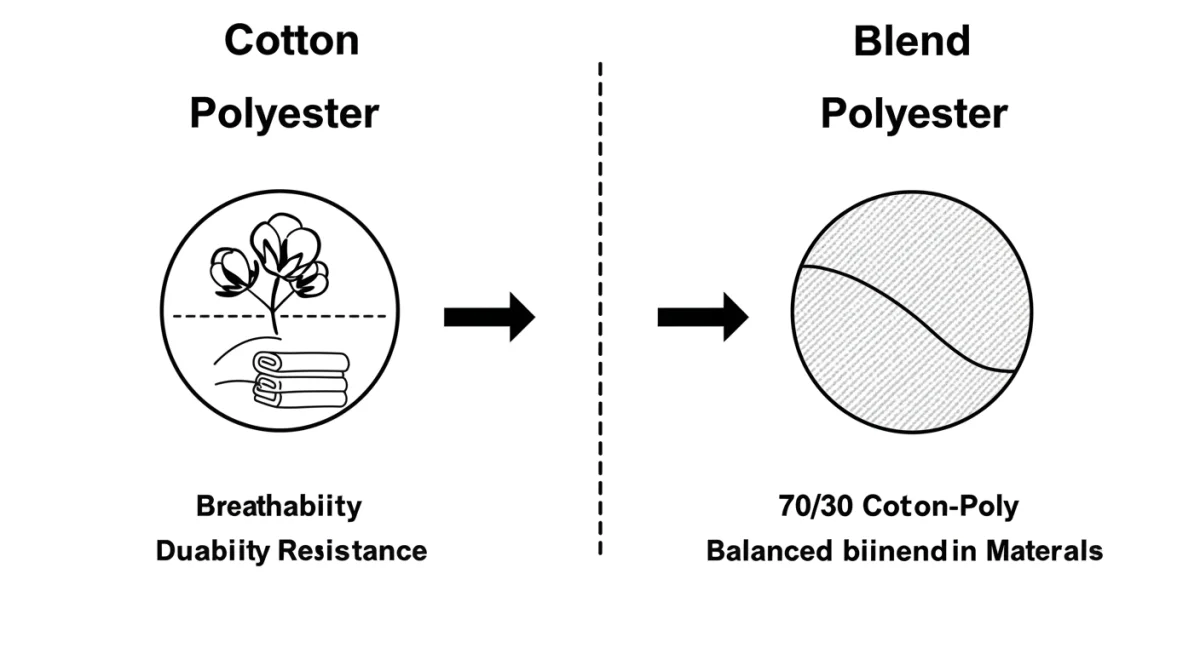
Furthermore, the 70/30 cotton-poly blend is increasingly used in workwear and uniforms, where a professional appearance needs to be maintained throughout the day. Its wrinkle resistance and durability mean that uniforms stay crisp and presentable, requiring less effort from the wearer. This broad spectrum of applications underscores the blend’s exceptional versatility and its capacity to meet diverse consumer needs across various clothing categories, cementing its relevance in the textile market of 2026.
Comparing 70/30 with Other Popular Blends
While the 70/30 cotton-poly blend offers a compelling set of advantages, it’s important to understand how it stacks up against other popular fabric compositions available in 2026. Different blends are engineered for different purposes, and a comparison helps highlight the unique niche that 70/30 occupies in the textile landscape. This understanding empowers consumers to make informed choices based on their specific needs and preferences for fit, feel, and performance.
Consider the classic 50/50 cotton-poly blend. This blend offers a more even distribution of properties, often resulting in a fabric that is slightly more durable and wrinkle-resistant than 70/30, but potentially at the cost of some of cotton’s natural softness and breathability. The higher polyester content can sometimes lead to a slightly slicker feel, which might be preferred for certain athletic applications but less so for everyday comfort.
Tri-Blends and Performance Fabrics
Another common alternative is the tri-blend, typically composed of cotton, polyester, and rayon. Rayon adds an exceptionally soft, silky drape and enhanced moisture absorption. Tri-blends often feel incredibly luxurious and offer excellent drape, but they can sometimes be less durable than 70/30 cotton-poly, particularly concerning abrasion resistance. Their price point also tends to be higher, making them a premium option for specific garment types.
- 50/50 Cotton-Poly: More durable, less breathable, slightly stiffer feel.
- Tri-Blends (Cotton-Poly-Rayon): Softer, better drape, often less durable, higher cost.
- 100% Cotton: Most breathable, softest, but prone to wrinkles, shrinkage, and longer drying times.
- 100% Polyester: Most durable, wrinkle-resistant, quick-drying, but less breathable and natural feel.
Compared to 100% cotton, the 70/30 blend provides a significant upgrade in terms of durability, shape retention, and ease of care, without sacrificing too much of cotton’s desirable feel. Similarly, when contrasted with 100% polyester, the 70/30 blend offers a much softer and more breathable experience, making it much more comfortable for prolonged skin contact. This makes the 70/30 cotton-poly blend an excellent middle-ground, providing a balanced solution that caters to a wide range of consumer demands for both comfort and practicality in 2026.
The Future of 70/30 Cotton-Poly in Fashion (2026 and Beyond)
As we look to 2026 and beyond, the 70/30 cotton-poly blend is poised to maintain its significant presence in the fashion industry, continually evolving with technological advancements and shifting consumer preferences. Its balanced properties make it an ideal candidate for integration into future sustainable practices and smart textile innovations, ensuring its relevance in an increasingly conscientious market. The blend’s adaptability allows it to be a foundation for further development.
One key area of future development for the 70/30 blend lies in enhanced sustainability. While cotton is a natural fiber, its cultivation can be resource-intensive. Polyester, being synthetic, has its own environmental considerations. Future innovations will likely focus on sourcing more sustainable fabrics (e.g., organic, recycled) and developing recycled polyester options or bio-based polyesters to reduce the overall environmental footprint of the blend. This commitment to greener production will only strengthen its appeal to eco-conscious consumers.
Technological Integration and Functional Enhancements
Furthermore, expect to see the 70/30 cotton-poly blend integrated with smart textile technologies. Imagine garments that can monitor body temperature, offer UV protection, or even have self-cleaning properties, all while maintaining the familiar comfort and durability of this blend. The stable structure provided by the polyester component makes it an excellent base for embedding conductive threads, sensors, and other advanced functionalities without compromising the fabric’s integrity. These advancements will push the boundaries of what everyday clothing can achieve.
- Sustainable Sourcing: Increased use of organic and recycled components.
- Smart Textile Integration: Embedding sensors and functional technologies.
- Performance Enhancements: Development of advanced moisture-wicking and anti-microbial treatments.
- Circular Economy Focus: Designing for recyclability and extended product life cycles.
The blend’s inherent versatility means it can readily adapt to new finishing techniques and treatments that enhance its performance without altering its core characteristics. For example, advancements in anti-odor treatments or advanced moisture-wicking finishes can be applied to 70/30 fabrics, further broadening their utility. The enduring appeal of the 70/30 cotton-poly blend in 2026 and beyond will be driven by its ability to marry traditional comfort with future-forward innovation, consistently meeting the evolving demands of the global fashion market.
| Key Aspect | Brief Description |
|---|---|
| Fit Consistency | Polyester’s role ensures garments retain shape, resist shrinkage, and offer consistent sizing over time. |
| Comfort & Feel | 70% cotton provides softness and breathability, while 30% poly adds smoothness without a synthetic feel. |
| Durability | Polyester significantly enhances resistance to wear, tear, and pilling, extending garment lifespan. |
| Maintenance | Wrinkle-resistant and quick-drying, simplifying care and reducing the need for ironing. |
Frequently Asked Questions About 70/30 Cotton-Poly Blends
The 70/30 cotton-poly blend offers a superior balance of comfort from cotton and durability from polyester. It provides softness, breathability, enhanced shape retention, wrinkle resistance, and quicker drying times compared to pure cotton, making it highly versatile for various clothing types.
While 100% cotton can shrink significantly, the 30% polyester content in this blend greatly reduces shrinkage. Garments made from 70/30 cotton-poly are designed to maintain their size and shape much more effectively, especially when washed and dried according to care instructions, typically on a low heat setting.
Yes, the 70% cotton component ensures good breathability, allowing air to circulate and preventing overheating. While not as performance-oriented as specialized athletic fabrics, its breathability combined with polyester’s moisture-wicking properties makes it a comfortable choice for light to moderate activewear and everyday use.
A 70/30 blend will typically feel softer and more breathable due to its higher cotton content. A 50/50 blend will offer slightly more durability and wrinkle resistance from the increased polyester, but might feel less soft and breathable against the skin, making 70/30 a preferred choice for comfort.
In 2026, the 70/30 cotton-poly blend is widely used across various categories, including t-shirts, hoodies, casual tops, and some light activewear. Its versatility makes it ideal for everyday comfortable clothing that also requires good shape retention, easy care, and enhanced durability for modern lifestyles.
Conclusion
The 70/30 cotton-poly blend continues to define comfort and performance in the textile industry of 2026, offering a meticulously balanced composition that addresses the evolving needs of consumers. Its ability to combine cotton’s natural softness and breathability with polyester’s robust durability and shape retention makes it an unparalleled choice for a wide array of clothing. As fashion and technology continue to advance, this blend is poised to remain a foundational fabric, further integrating sustainable practices and smart innovations to deliver garments that not only look and feel good but also last longer and perform better, solidifying its essential role in our wardrobes for years to come.
